Let's be real - sometimes life throws curveballs that we just can't handle on our own. Whether you're dealing with overwhelming stress, relationship troubles, or feelings that won't seem to go away, there comes a point when you need a therapist to help you navigate the rough waters. But how do you know when that time has come? It's not always obvious, and honestly, there's still some stigma around seeking professional help. The truth is, therapy isn't just for people in crisis. It's a tool for anyone who wants to better understand themselves, build healthier relationships, or develop stronger coping skills.
Understanding When Professional Support Becomes Necessary
Recognizing the signs that you need a therapist isn't always straightforward. We're all taught to be tough, to handle our problems independently, but mental health doesn't work that way. Just like you'd see a doctor for a broken bone, your mind deserves the same level of care.
Psychology House lists ten signs that indicate it might be time to seek professional help. These aren't weaknesses - they're signals from your brain telling you it's overwhelmed and could use some backup.
Common Red Flags You Shouldn't Ignore
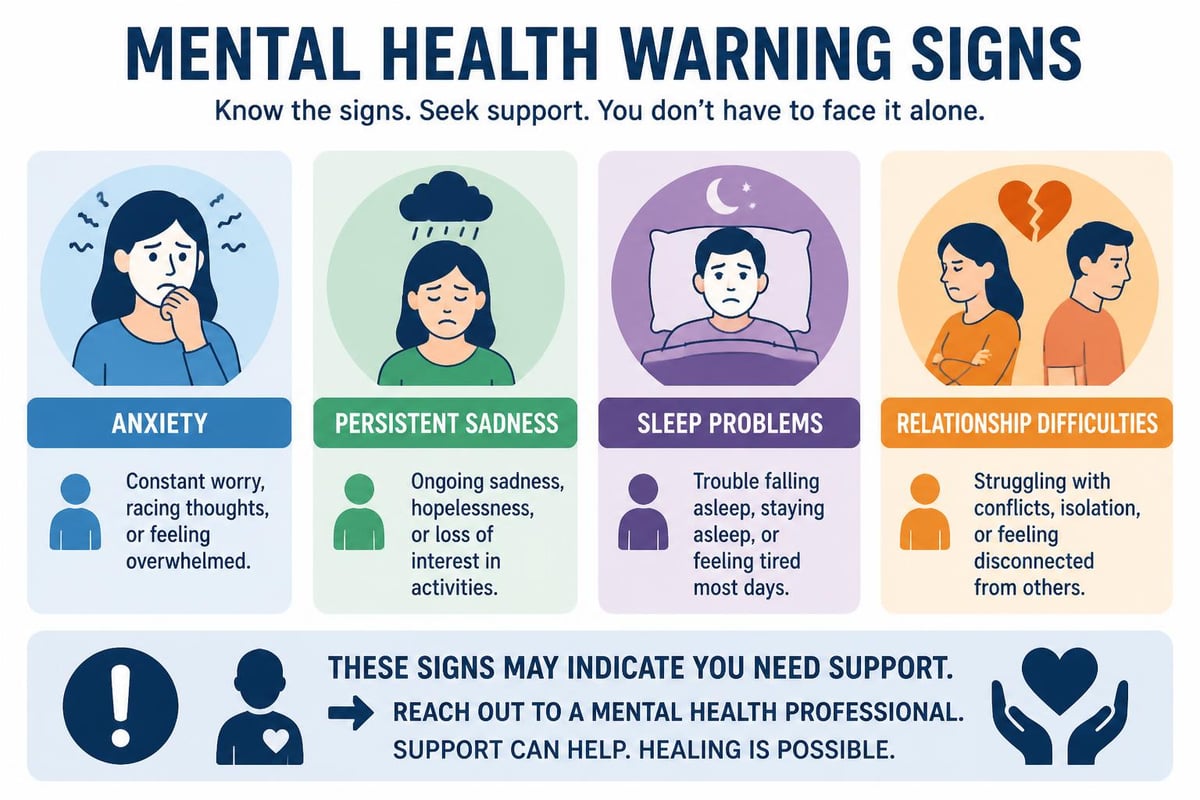
Here are some telltale signs that professional support might be exactly what you need:
- Persistent sadness or hopelessness that lasts for weeks or months
- Overwhelming anxiety that interferes with daily activities
- Sleep disruptions like insomnia or sleeping too much
- Changes in appetite or significant weight fluctuations
- Difficulty concentrating or making decisions
- Withdrawal from friends and family
- Using substances to cope with emotions
- Physical symptoms like headaches or stomach issues with no clear cause
If you're experiencing any combination of these, you're not alone. According to Healthgrades' outline of reasons to see a therapist, feeling overwhelmed by helplessness or dealing with excessive worry are completely valid reasons to reach out.
The Benefits You'll Actually Experience
So what happens when you finally decide to seek help? The benefits of therapy go way beyond just "feeling better" - though that's definitely part of it.
What Therapy Can Do For You
When you work with a qualified therapist, you're investing in skills that'll serve you for life:
- Better communication skills in relationships and at work
- Emotional regulation techniques that help you handle stress
- Insight into patterns that have been holding you back
- Coping strategies tailored to your specific challenges
- A safe space to process difficult experiences without judgment
The therapeutic approaches available in 2026 are more diverse and accessible than ever. Whether you're dealing with anxiety, depression, trauma, or relationship issues, there's an evidence-based method that can help.
| Challenge | Common Approach | What It Helps With |
|---|---|---|
| Anxiety | CBT (Cognitive Behavioral Therapy) | Changing thought patterns and behaviors |
| Trauma | EMDR (Eye Movement Desensitization) | Processing traumatic memories safely |
| Relationship Issues | EFT (Emotionally Focused Therapy) | Building secure attachment |
| Emotional Intensity | DBT (Dialectical Behavior Therapy) | Emotional regulation and distress tolerance |
Breaking Through the Barriers
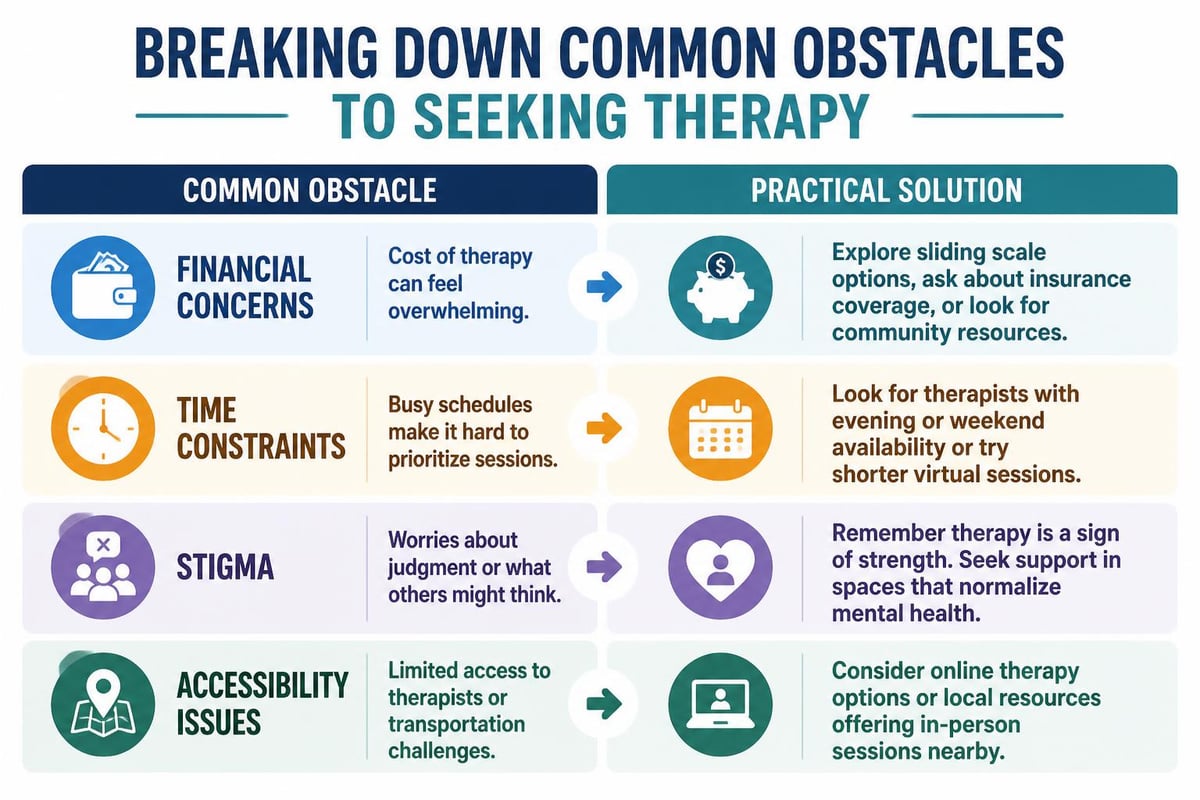
Look, I get it. Admitting you need a therapist can feel scary or even embarrassing. Maybe you're worried about what people will think, or you're concerned about the cost. These are legitimate concerns, but they shouldn't keep you from getting help.
Making Therapy Accessible
Financial concerns are real, but options exist. Many clinics offer affordable therapy programs that make professional support accessible regardless of your financial situation. Additionally, insurance coverage for therapy has expanded significantly in recent years.
Time constraints don't have to be a dealbreaker either. Online therapy sessions fit into busy schedules, and you can connect with a qualified professional from anywhere in Ontario. The flexibility of virtual sessions means you can get help during your lunch break or after the kids go to bed.
Cultural considerations matter too. Finding a therapist who understands your background and values can make all the difference in your healing journey. Culturally responsive care ensures your experiences are validated within the appropriate context.
Taking the First Step Forward
Once you've recognized that you need a therapist, what's next? The process is actually simpler than you might think, and it starts with a single decision to prioritize your mental health.
Your Action Plan
Step 1: Identify Your Needs
Think about what you're struggling with most. Is it anxiety keeping you up at night? Depression affecting your relationships? Understanding common areas that therapy supports can help you articulate what you're looking for.
Step 2: Research Your Options
Look for therapists who specialize in your specific concerns. If you're dealing with anxiety and depression, you'll want someone experienced in anxiety depression therapy.
Step 3: Make Contact
Reach out to schedule an initial consultation. Most therapists offer a brief phone call to see if you're a good match. Don't be afraid to interview multiple therapists - finding the right fit matters.
Step 4: Prepare for Your First Session
Jot down what you want to discuss and any questions you have. There's no "wrong" way to start therapy, but preparing for your counselling journey can help ease first-session jitters.
Special Considerations for Different Life Stages
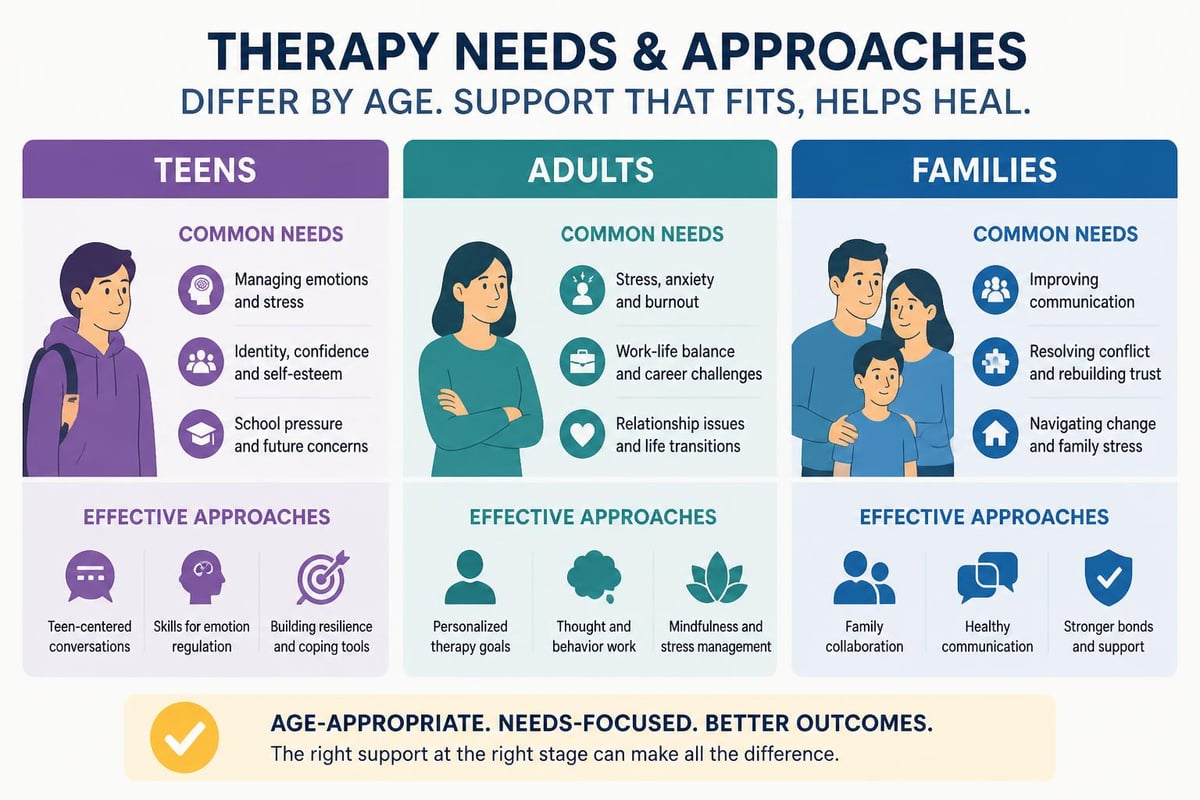
Therapy looks different depending on where you are in life. Teens face unique pressures with social media and academic stress, while adults might be navigating career changes or relationship challenges. Recognizing these differences helps you find the right support.
Therapy for Teens and Young Adults
If you're a parent wondering whether your teen needs professional support, finding an in-person therapist in Markham for teens might be exactly what they need. Adolescence is tough, and having a neutral adult to talk to can make all the difference.
Similarly, capturing positive moments through services like family photography can help maintain family connections and create joyful memories during challenging times.
Maintaining Wellness Beyond the Therapy Room
Therapy works best when combined with overall wellness practices. Just as you might prioritize your pet's health with quality natural supplements for dogs, investing in your own mental wellness requires consistent care and attention.
Navigating Relationship Challenges
Sometimes you don't just need individual support - you need help working through relationship issues. Whether it's romantic partnerships, family dynamics, or friendships causing distress, you need a therapist who specializes in relational work.
Getting the relationship help you need starts with acknowledging that struggling doesn't mean your relationship is doomed. In fact, couples who seek therapy often report stronger connections afterward.
When to Consider Couples Therapy:
- Communication has broken down completely
- Trust issues are affecting intimacy
- You're stuck in repetitive conflict patterns
- Life transitions are creating strain
- You want to strengthen an already good relationship
Understanding the Role of Trauma
Past experiences shape how we move through the world, and sometimes those experiences create wounds that need professional attention. Life trauma comes in many forms - childhood adversity, accidents, loss, or even ongoing stress.
Trauma-informed care recognizes how these experiences affect your nervous system and relationships. It's not about dwelling on the past but rather processing it in a way that frees you to move forward. Specialized approaches like EMDR have shown remarkable success in helping people heal from traumatic experiences.
Recognizing that you need a therapist is a sign of strength, not weakness. It means you're ready to invest in your well-being and create positive change in your life. Whether you're dealing with anxiety, depression, relationship challenges, or simply want to understand yourself better, professional support can make all the difference. Théla Psychotherapy Clinic offers trauma-informed, culturally responsive care both in-person in Markham and online across Ontario, with experienced therapists ready to support your unique journey toward healing and growth.

Bonny Li
Contact Me
.jpg)