
Finding the right support for your mental health can feel overwhelming, especially when you're not sure what to expect from the process. Your counselling journey is deeply personal, and understanding how therapy works can help you feel more prepared and confident as you take those first steps. Whether you're dealing with anxiety, relationship challenges, trauma, or just feeling stuck, knowing what makes counselling effective can transform your experience from uncertain to empowering.
What Makes Your Counselling Experience Unique
Every person who walks into a therapy room brings their own story, challenges, and strengths. That's why your counselling experience shouldn't follow a cookie-cutter approach. The most effective therapy recognizes that what works for one person might not work for another.
Modern therapeutic approaches focus on several key elements:
- Personalized treatment plans based on your specific needs
- Culturally responsive care that honors your background
- Evidence-based techniques proven through research
- Trauma-informed practices that create safety first
- Flexibility to adjust as you progress
At Théla Psychotherapy Clinic, therapists understand that your counselling needs might shift over time. You might start with anxiety management and discover deeper patterns related to past experiences. That's completely normal, and your therapist should adapt alongside you.
The Role of Evidence-Based Approaches
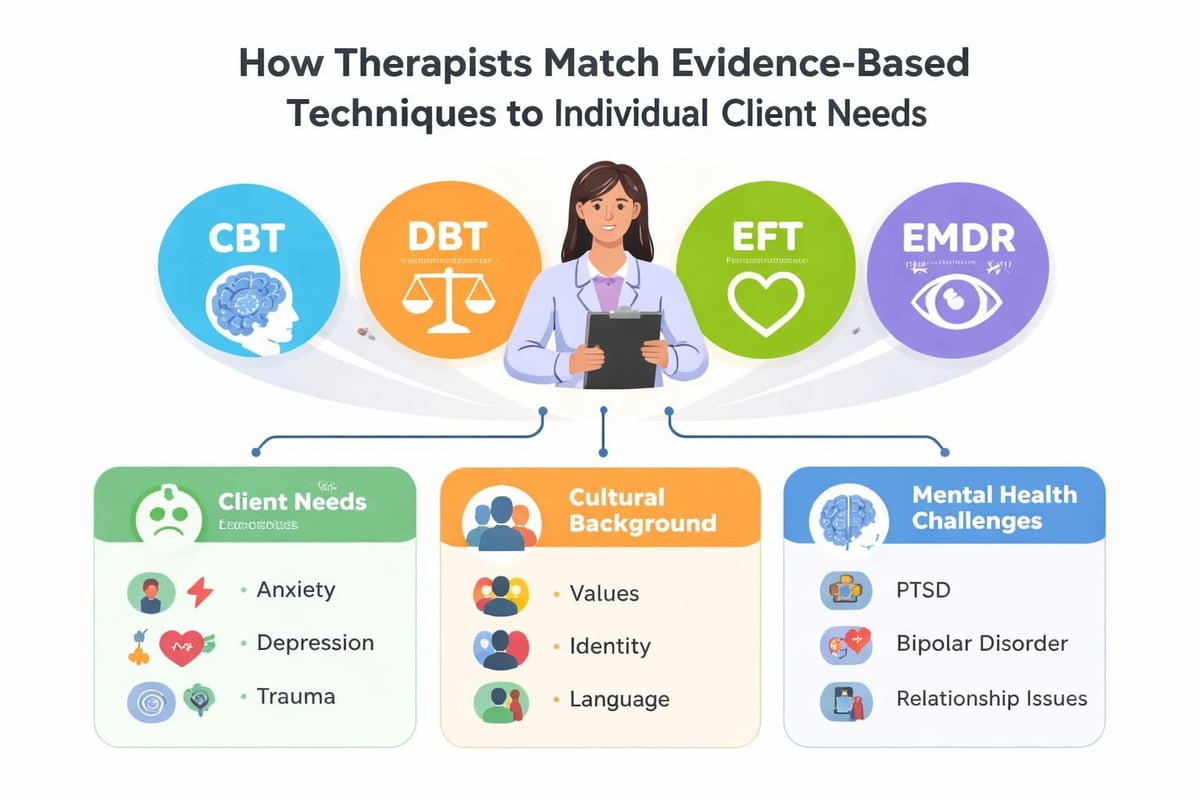
You've probably heard terms like CBT, DBT, or EMDR thrown around, but what do they actually mean for your counselling sessions? These aren't just buzzword acronyms; they're proven therapeutic methods that address different aspects of mental health.
Research on therapeutic techniques shows that the relationship between the approach used and session impact matters significantly. Here's how different methods serve different needs:
| Approach | Best For | What It Involves |
|---|---|---|
| CBT | Anxiety, depression, negative thought patterns | Identifying and changing unhelpful thinking |
| DBT | Emotional regulation, BPD, intense feelings | Building distress tolerance and mindfulness |
| EFT | Relationship issues, attachment struggles | Understanding emotional patterns in connections |
| EMDR | Trauma, PTSD, distressing memories | Processing traumatic experiences safely |
Your counselling might incorporate one or several of these approaches. The beauty of working with skilled therapists is that they can blend techniques to create a customized plan that actually fits your life.
Building the Therapeutic Relationship
Here's something most people don't realize: the technique your therapist uses matters less than the relationship you build together. You could have the most advanced therapeutic approach available, but if you don't feel safe and understood, progress will be slow.
What to look for in your counselling relationship:
- Feeling heard without judgment
- Clear communication about goals and progress
- Flexibility when something isn't working
- Respect for your pace and boundaries
- Cultural sensitivity and awareness
The importance of ethical standards in counseling can't be overstated. Your therapist should maintain confidentiality, demonstrate professional boundaries, and always prioritize your wellbeing.
What Happens in Your Counselling Sessions
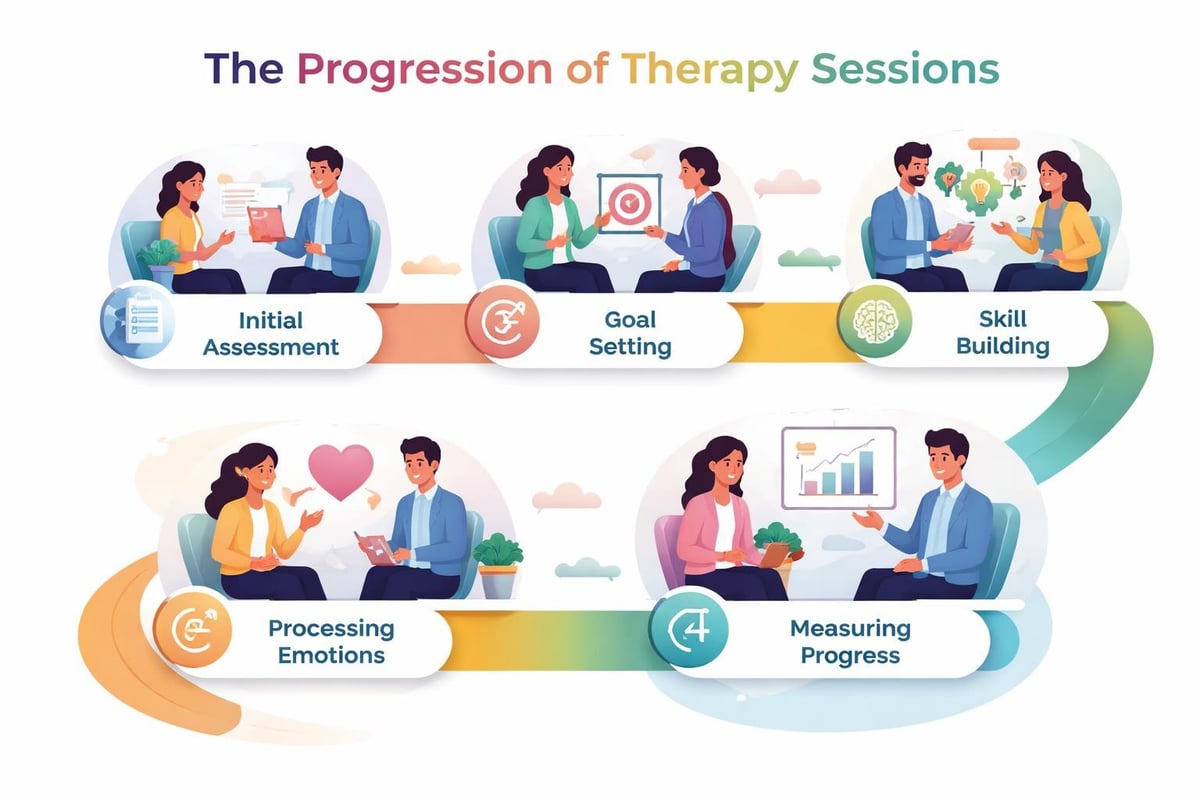
If you've never been to therapy before, you might wonder what actually happens during those 50-minute sessions. While every therapist has their own style, here's a general flow:
Initial sessions typically involve:
- Sharing your story and current challenges
- Identifying goals for your counselling
- Discussing approaches that might help
- Building rapport and establishing trust
Ongoing sessions might include:
- Processing current situations and feelings
- Learning new coping strategies
- Exploring patterns in thoughts or behaviors
- Practicing skills between sessions
For those dealing with relationship challenges, your counselling might involve bringing your partner to some sessions. For trauma work, you might use specialized techniques like EMDR that feel different from traditional talk therapy.
Tailoring Your Counselling to Cultural Context
Your background, beliefs, and cultural identity shape how you experience the world and process emotions. Culturally sensitive interventions recognize that effective therapy must honor these differences rather than ignore them.
This might mean:
- Working with a therapist who understands your cultural background
- Incorporating spiritual or religious beliefs into treatment
- Addressing systemic barriers you face
- Respecting family structures and community values
Ontario's diverse population means your counselling should reflect this reality. Whether you're navigating immigration stress, intergenerational trauma, or cultural identity questions, therapy should feel relevant to your actual life.
Making Your Counselling Work for You
You're not a passive recipient in therapy; you're an active participant. The more engaged you are in the process, the more you'll get out of it. But that doesn't mean you need to have everything figured out.
Ways to maximize your counselling experience:
- Be honest, even when it feels uncomfortable
- Practice skills between sessions
- Ask questions when something doesn't make sense
- Speak up if an approach isn't helping
- Give yourself time to see progress
If you're exploring therapeutic support options, remember that finding the right fit might take time. It's okay to try a few therapists before you find someone who really gets you.
Specialized Approaches in Modern Therapy
Your counselling in 2026 might look different than it did even a few years ago. Innovations in mental health care have expanded what's possible, from online sessions that fit your schedule to specialized approaches like canine support therapy.
| Therapy Type | Benefits | Good For |
|---|---|---|
| In-person | Direct connection, body language cues | Those who prefer face-to-face interaction |
| Online | Convenience, accessibility, comfort of home | Busy schedules, mobility issues, rural areas |
| Canine-assisted | Reduces anxiety, promotes calm, provides comfort | Trauma, anxiety, emotional regulation |
For people dealing with ADHD or other neurodivergent experiences, your counselling might include strategies specifically designed for how your brain works. This personalization makes all the difference.

Understanding Counseling Theories and Techniques
Behind every effective session is a solid theoretical foundation. Your therapist draws on years of training and research to guide your counselling, even if you never see that framework directly.
But you don't need to understand all the theory to benefit from therapy. What matters is finding a therapist who can translate their knowledge into practical help for your specific situation. Whether you're working through depression and anxiety or healing from trauma, the right support makes the journey manageable.
Knowing When You're Making Progress
Your counselling journey isn't always linear. Some weeks you'll feel like you're making huge strides, and other weeks you might feel stuck. That's completely normal and doesn't mean therapy isn't working.
Signs your counselling is helping:
- You're developing new coping strategies
- Patterns become clearer over time
- You feel more equipped to handle challenges
- Relationships start improving
- You notice shifts in how you think about yourself
Progress might show up in unexpected ways, like realizing you handled a difficult situation differently than you would have months ago. Your therapist can help you recognize these changes, especially when you can't see them yourself.
Your counselling experience should feel supportive, personalized, and grounded in approaches that actually work for your unique situation. Finding the right therapist and approach takes courage, but it's one of the most valuable investments you can make in yourself. Théla Psychotherapy Clinic offers compassionate, evidence-based care tailored to your needs, whether you're in Markham or anywhere across Ontario. Ready to start your journey? Reach out today to find the support you deserve.

Bonny Li
Contact Me
.jpg)

