
If you're dealing with depression or anxiety, you're definitely not alone. Millions of people across Ontario and beyond are navigating these challenges every single day. The good news? Psychotherapy for depression and anxiety has become increasingly accessible, effective, and personalized in 2026. Whether you're experiencing your first episode or you've been managing symptoms for years, understanding how therapy works and what options are available can help you take that crucial first step toward feeling better.
What Makes Psychotherapy Effective for Mental Health
The science behind psychotherapy for depression and anxiety is pretty solid. Research shows that evidence-based psychotherapies like cognitive behavioral therapy (CBT) and interpersonal therapy consistently help people manage symptoms and improve their quality of life. But here's what makes therapy different from just talking to a friend: it's structured, intentional, and backed by decades of clinical research.
When you work with a trained therapist, you're getting more than a listening ear. You're learning practical skills to recognize negative thought patterns, manage overwhelming emotions, and build healthier coping strategies. The therapeutic relationship itself becomes a safe container where you can explore difficult feelings without judgment.
Understanding Your Treatment Options
Not all therapy looks the same, and that's actually a good thing. Different approaches work better for different people, which is why individual therapy services typically involve matching your specific needs with the right therapeutic model.
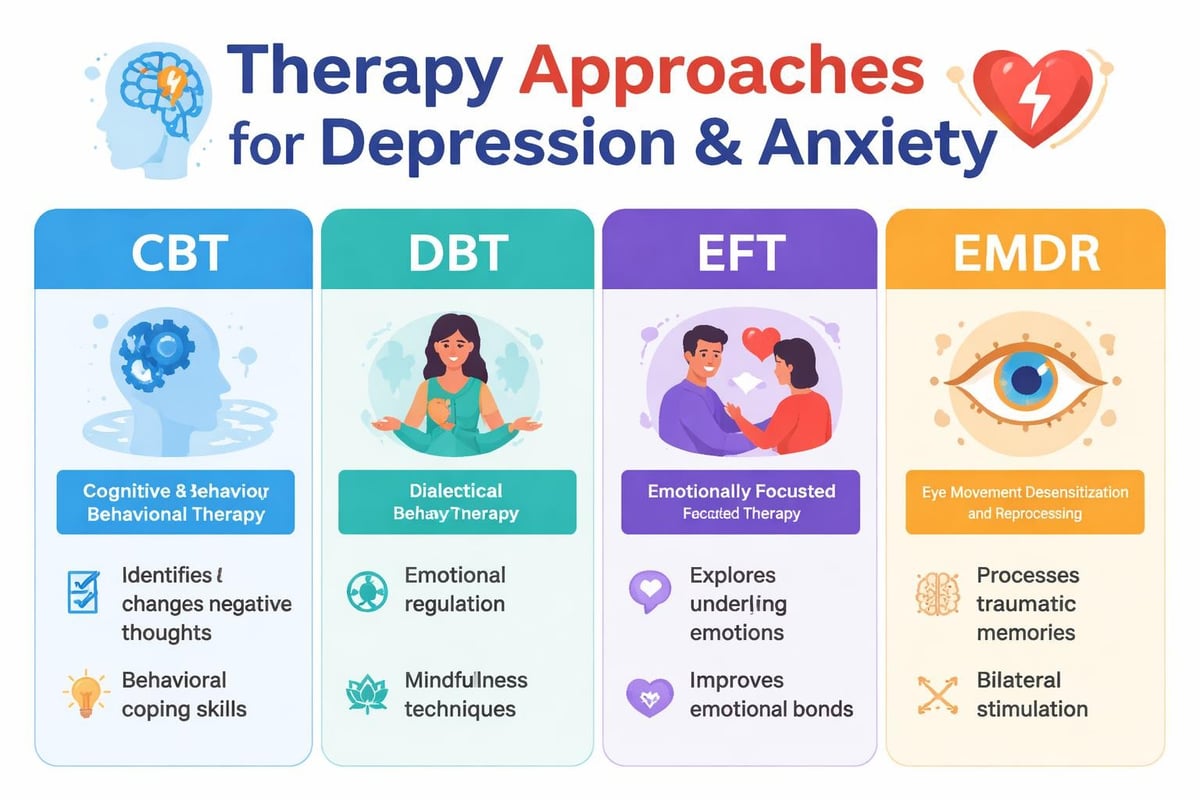
Common evidence-based approaches include:
- Cognitive Behavioral Therapy (CBT): Focuses on changing negative thought patterns and behaviors
- Dialectical Behavior Therapy (DBT): Emphasizes emotional regulation and distress tolerance
- Emotionally Focused Therapy (EFT): Explores attachment patterns and emotional responses
- EMDR Therapy: Processes traumatic memories that contribute to symptoms
| Therapy Type | Best For | Typical Duration |
|---|---|---|
| CBT | Specific phobias, panic attacks, negative thinking | 12-20 sessions |
| DBT | Emotional dysregulation, self-harm behaviors | 6 months - 1 year |
| EFT | Relationship issues, attachment concerns | 8-20 sessions |
| EMDR | Trauma, PTSD, trauma-related anxiety | Variable, 6-12 sessions |
The Role of Personalization in Treatment
Here's something important: personality traits significantly influence therapy outcomes. That's why culturally responsive and trauma-informed care matters so much. Your background, experiences, values, and even your doubts about therapy itself all shape how you'll engage with treatment.
Some people need direct, structured interventions. Others benefit from exploratory, relationship-focused work. If you're someone who doubts whether therapy can actually help, you might relate to the approach at Radical Relationship Transformation, Therapy with Shira Hearn Licensed Marriage and Family Therapist, which focuses on practical, pattern-changing work rather than endless talking.
The key is finding a therapist who understands your specific context and can adapt their approach accordingly.
What to Expect in Your First Sessions
Starting psychotherapy for depression and anxiety can feel intimidating, but knowing what to expect helps ease those first-session jitters. Most therapists begin with an assessment period where they'll ask about your symptoms, history, relationships, and goals.
Initial sessions typically cover:
- Your current symptoms and how they're affecting your daily life
- Previous mental health treatment or medication history
- Significant life events, trauma, or stressors
- Your support system and resources
- What you hope to achieve through therapy
This isn't an interrogation. It's a collaborative conversation designed to help your therapist understand your unique situation and create a treatment plan that actually fits your life. Many clinics, like those offering affordable therapy programs, work to make this process as accessible as possible.
Combining Different Therapeutic Approaches
One of the coolest developments in mental health care is how therapists now blend different approaches. You might work on cognitive restructuring through CBT while also processing past trauma with EMDR. Or combine DBT skills training with couples therapy if anxiety is affecting your relationship.
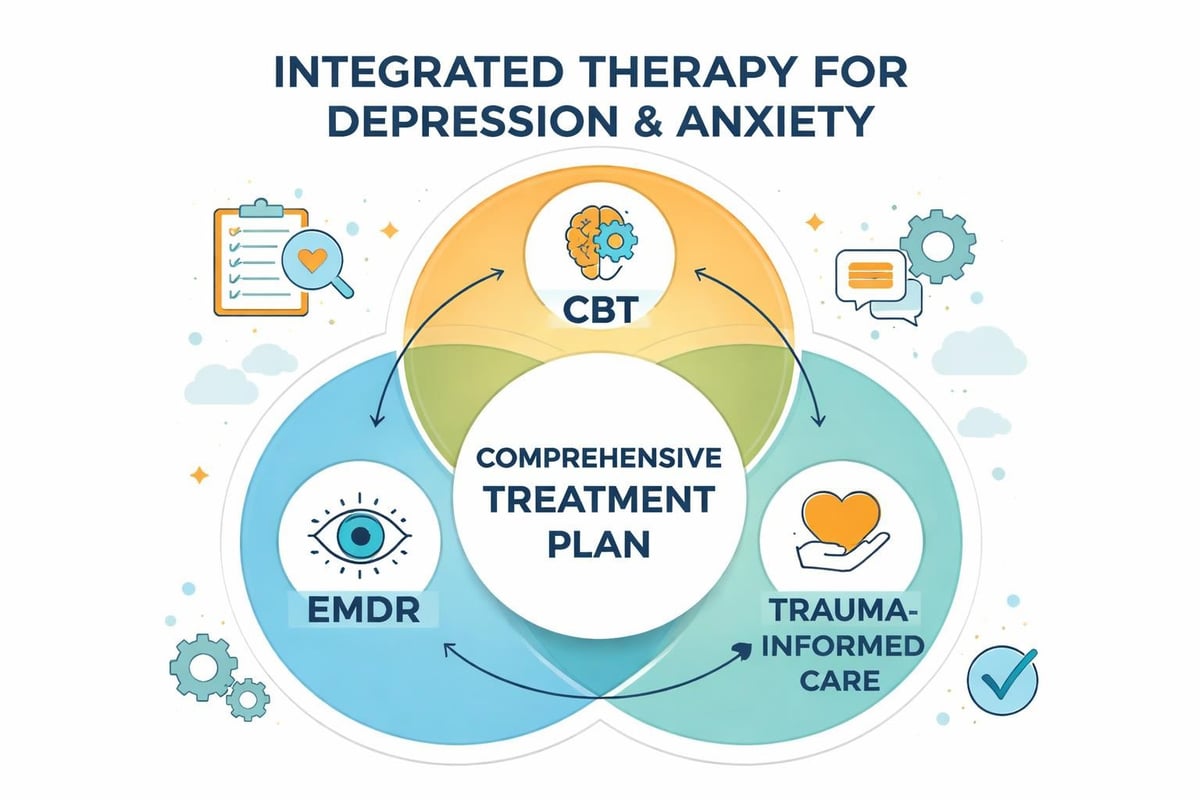
This integrated approach recognizes that depression and anxiety rarely exist in isolation. They're often connected to relationship patterns, past experiences, and how we've learned to cope with stress. Understanding the connection between trauma, anxiety, and depression helps therapists address root causes rather than just managing symptoms.
Finding Information and Support
In 2026, people dealing with mental health challenges have more access to information than ever before. However, research on information needs shows that not all sources are equally helpful. Working with a qualified therapist ensures you're getting evidence-based guidance tailored to your situation.
Beyond individual sessions, many clinics now offer additional support options:
- Online therapy for Ontario residents who can't attend in-person
- Canine-assisted therapy for those who benefit from animal support
- Couples counseling when relationships are part of the picture
- Family therapy to address systemic patterns
Making Therapy Work for You
Success in psychotherapy for depression and anxiety isn't just about showing up. It's about engaging with the process, even when it feels uncomfortable. You'll likely get homework between sessions, whether that's practicing new skills, tracking your mood, or noticing specific patterns.
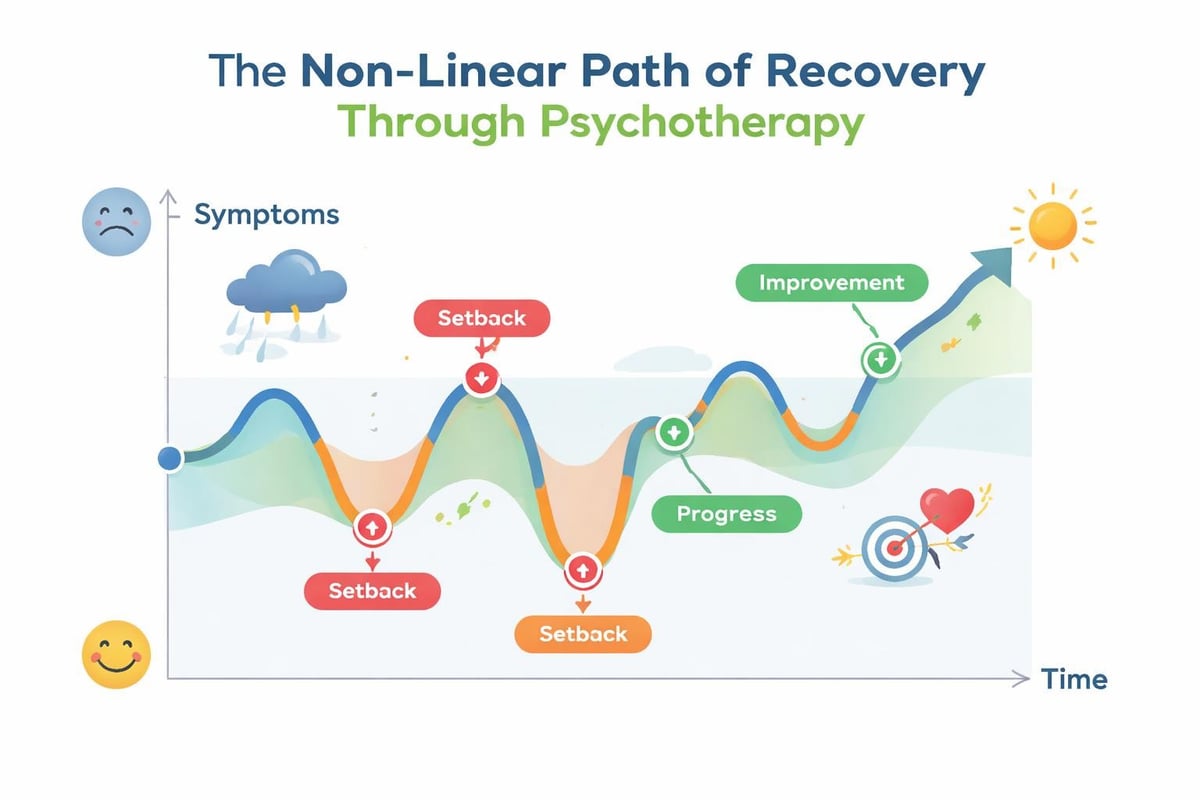
Some weeks will feel harder than others. That's completely normal and doesn't mean therapy isn't working. Progress isn't linear, and your therapist should help you recognize improvements even when you can't see them yourself.
| What Helps Therapy Work | What Gets in the Way |
|---|---|
| Consistent attendance | Frequent cancellations |
| Honest communication | Avoiding difficult topics |
| Practicing between sessions | Only "working" during appointments |
| Patience with the process | Expecting immediate fixes |
| Asking questions | Staying passive |
If you're considering whether therapy is right for you, exploring the common areas therapists support can help you understand if your concerns align with what psychotherapy addresses. And remember, you don't have to have everything figured out before you start. That's literally what therapy is for.
Finding the right support for depression and anxiety can genuinely change your life, and you deserve care that respects your unique experiences and needs. Whether you're dealing with ongoing symptoms or facing a particularly difficult period, professional support makes a real difference. Théla Psychotherapy Clinic offers trauma-informed, culturally responsive therapy both in-person in Markham and online throughout Ontario, using evidence-based approaches tailored to your specific situation. Take that first step toward feeling better today.

Bonny Li
Contact Me
.jpg)

