
You've worked hard to get where you are. Maybe you're leading a team, managing complex projects, or navigating the messy middle of organizational change. But here's the thing - even the most accomplished leaders hit walls. That's where executive coaching comes in, offering a personalized approach to unlock your potential and navigate the challenges that come with leadership roles. It's not about fixing what's broken; it's about building on what's already working and taking your leadership to the next level.
What Executive Coaching Actually Looks Like
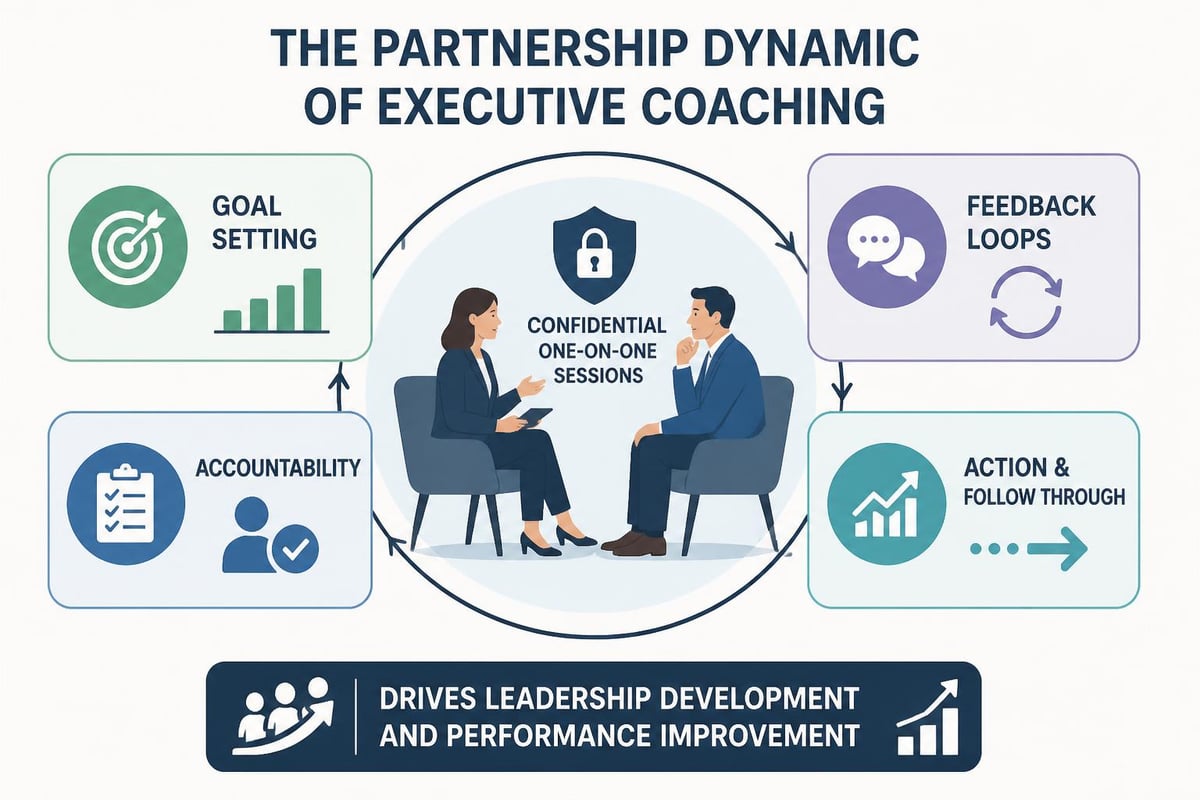
Executive coaching isn't your typical training seminar or generic management workshop. It's a one-on-one partnership designed specifically for leaders who want to grow. Think of it as having a dedicated guide who helps you see your blind spots, leverage your strengths, and develop the skills you need right now.
The strengths-based approach used by organizations like Gallup focuses on what you already do well rather than dwelling on weaknesses. This matters because leaders often spend too much time trying to fix gaps instead of maximizing their natural talents.
The Core Elements That Make It Work
- Confidential partnership between coach and executive
- Goal-oriented focus on specific challenges and outcomes
- Regular sessions that create accountability and momentum
- Evidence-based techniques drawn from psychology and leadership research
- Action-oriented strategies you can implement immediately
Research shows that science-backed coaching frameworks bridge theory and practice, ensuring you're not just getting feel-good advice but proven methods that drive results.
Why Leaders Choose Coaching in 2026
The workplace has changed dramatically. Remote teams, constant digital disruption, and increasing pressure to do more with less - these realities make leadership harder than ever. Executive coaching addresses these modern challenges head-on.
You might be dealing with team dynamics that feel impossible to navigate. Or maybe you're struggling to communicate effectively across different departments. Perhaps you're facing a career transition and need clarity on your next move. Whatever the situation, coaching provides the space to work through it without judgment.
| Challenge | How Coaching Helps |
|---|---|
| Decision fatigue | Clarifies priorities and decision-making frameworks |
| Team conflict | Develops communication and conflict resolution skills |
| Work-life balance | Establishes boundaries and sustainable practices |
| Imposter syndrome | Builds confidence through awareness and reframing |
| Strategic thinking | Enhances big-picture perspective and planning |
The beauty of this approach is that it's completely customized to you. Unlike attending another generic workshop, coaching meets you where you are and adapts to your specific needs.
The Intersection of Therapy and Coaching
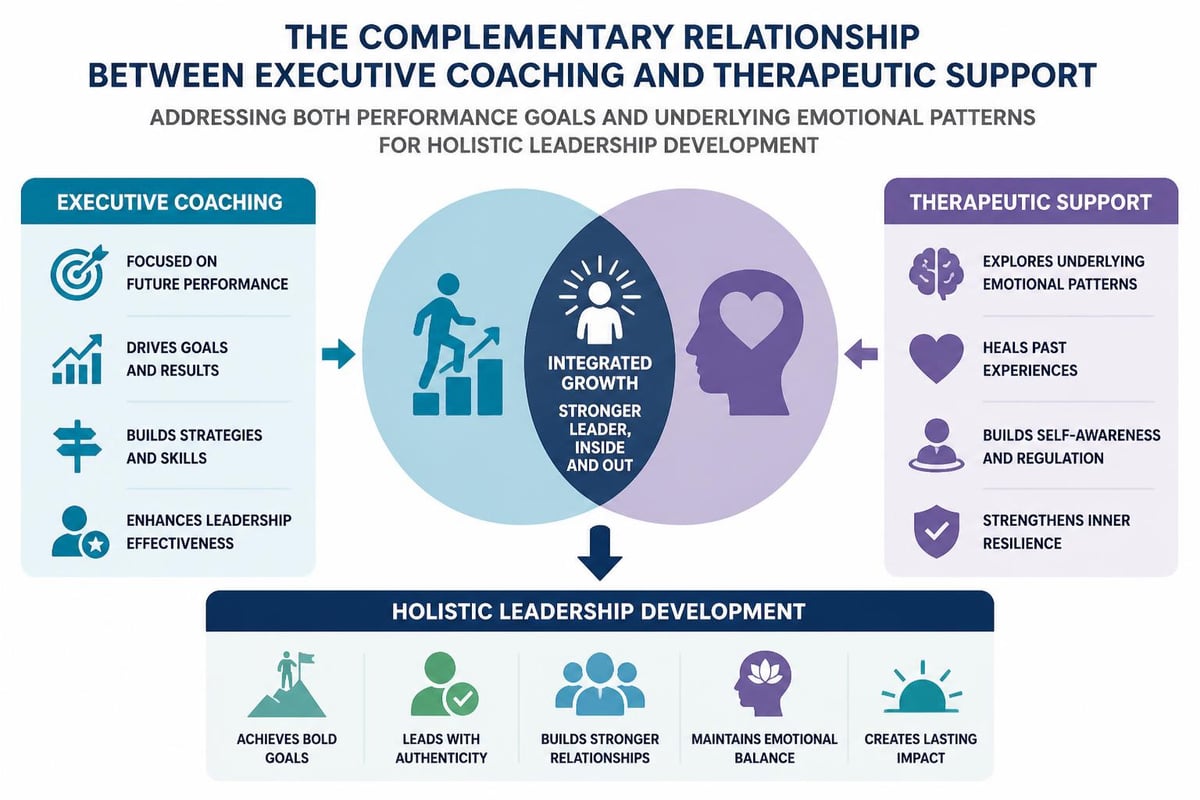
Here's where things get interesting for those of us in mental health. While executive coaching focuses on performance and goal achievement, it shares common ground with therapeutic approaches. Both require deep listening, trust, and a commitment to growth.
At Théla Psychotherapy Clinic, we understand this overlap. Our evidence-based approaches like CBT and DBT can enhance leadership development by addressing the underlying patterns that hold people back. Sometimes what looks like a leadership challenge is actually rooted in anxiety, perfectionism, or unresolved trauma.
When Coaching Meets Clinical Support
The Institute of Coaching provides valuable resources on best practices that acknowledge this connection. Many executives benefit from both coaching and therapy, addressing performance goals while also working on personal growth and emotional regulation.
Consider how functional medicine takes a whole-person approach to health - coaching works similarly for leadership development. You can't separate the professional from the personal. Your stress levels, sleep quality, and emotional wellbeing directly impact your ability to lead effectively.
Finding the Right Support for Your Journey
Not all coaching is created equal. The Academy of Executive Coaching emphasizes proper training because this work requires specific skills and ethical frameworks. When you're investing time and money into your development, you want someone who knows what they're doing.
Key factors to consider:
- Credentials and training - Look for coaches with recognized certifications
- Industry experience - Someone who understands your sector's unique challenges
- Chemistry - You need to feel comfortable being vulnerable
- Approach - Make sure their methods align with your values
- Track record - Ask for references or testimonials
The research on executive coaching shows that the quality of the coaching relationship matters as much as specific techniques. This mirrors what we know from therapeutic approaches - the connection between practitioner and client drives outcomes.
Measuring Success and Growth
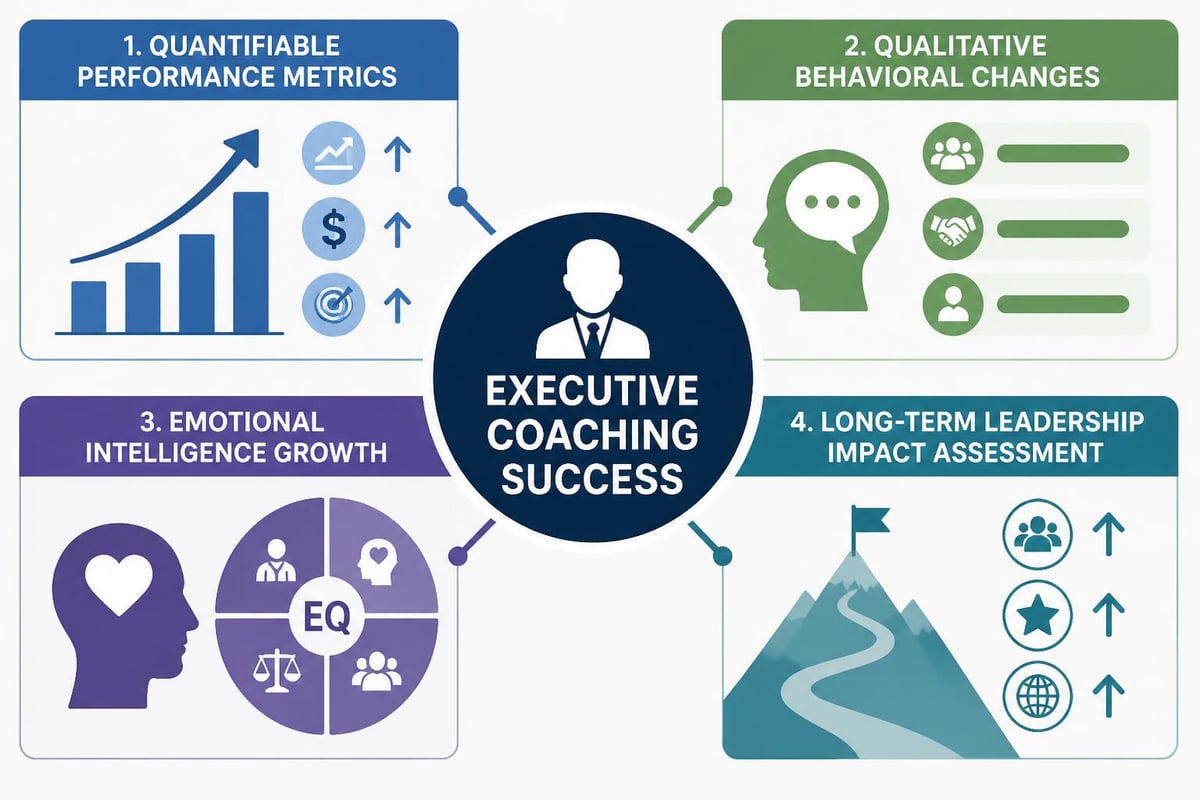
You're probably wondering: does this actually work? The short answer is yes, when done right. But measuring success in coaching isn't always straightforward because growth shows up in different ways.
Some changes are obvious - better team performance, improved communication, successful project completion. Others are subtler but equally important: increased confidence, reduced stress, better work-life boundaries, enhanced self-awareness.
Evidence-based coaching services focus on sustained, desired change rather than quick fixes. This long-term perspective aligns with what we see in psychotherapy for depression and other mental health work - real transformation takes time and consistent effort.
Technology's Emerging Role
Interesting developments are happening at the intersection of coaching and technology. Research on AI in coaching explores how digital tools might augment the coaching process, though the human relationship remains central. Similarly, automated detection systems could potentially help coaches identify unconscious patterns, though this technology is still developing.
Making the Investment in Yourself
Let's talk about something that often holds leaders back - the belief that asking for help is weakness. Nothing could be further from the truth. The most effective leaders recognize they don't have all the answers and actively seek support to grow.
Executive coaching represents an investment in your future. Whether you're navigating a career transition, facing new leadership challenges, or simply wanting to become more effective, coaching provides structured support for that journey. Healthcare executives and academic leaders increasingly recognize this value.
The process itself creates accountability. When you commit to regular sessions with someone who challenges and supports you, you're more likely to follow through on the changes you want to make. This structured accountability often makes the difference between good intentions and actual transformation.
Think about the common areas where people need support - many leadership challenges stem from stress, anxiety, relationship dynamics, and communication patterns. Addressing these holistically, through both performance-focused coaching and deeper therapeutic work when needed, creates lasting change.
Executive coaching offers leaders a powerful path to growth, combining structured support with personalized strategies that address your unique challenges. Whether you're navigating team dynamics, career transitions, or simply want to enhance your leadership effectiveness, the right support makes all the difference. If you're looking for comprehensive support that addresses both professional development and personal wellbeing, Théla Psychotherapy Clinic offers trauma-informed, evidence-based services designed to help you thrive - both as a leader and as a whole person.

Bonny Li
Contact Me
.jpg)

