Awareness of trauma recovery is growing as more people seek healing in our fast-paced, post-pandemic world. The effects of trauma are far-reaching, touching millions and influencing daily life and relationships.
Recent years have brought new research and evolving approaches in trauma recovery. This guide offers a step-by-step path, blending the latest insights with proven strategies for healing in 2026.
You will learn the main phases of recovery: understanding trauma, establishing safety, processing and mourning, rebuilding connections, and embracing holistic healing. By following this guide, you can reclaim control and improve your quality of life.
Start your journey with practical steps and professional insights for lasting change.
Understanding Trauma in 2026
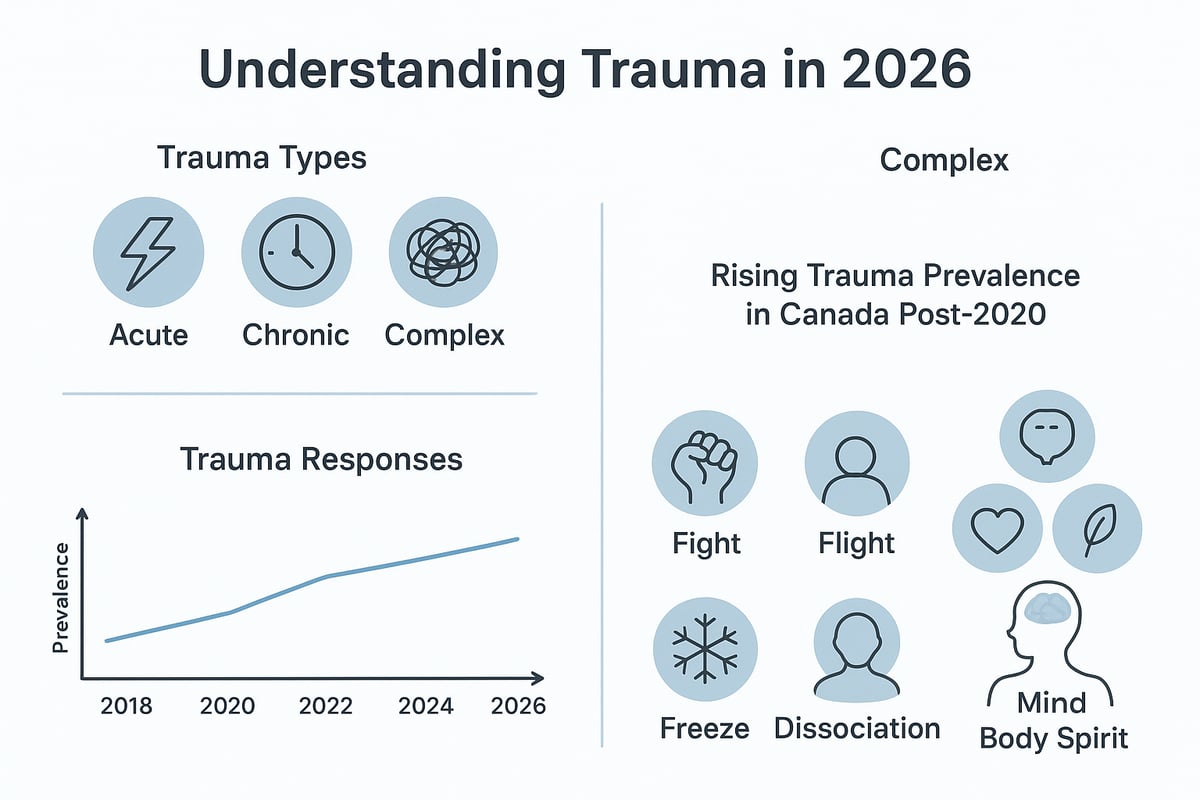
Trauma affects people in many ways and is not limited to one event or experience. Trauma can be acute, resulting from a single incident, chronic, developing from repeated events, or complex, arising from multiple, layered experiences. In 2026, trauma recovery starts with understanding these forms and how they impact daily life.
Recent years have seen a rise in trauma cases, with the COVID-19 pandemic and global unrest amplifying stress and uncertainty. In Canada, studies show that rates of post-traumatic stress disorder have increased since 2020. For a deeper overview of trauma and PTSD, visit Understanding Trauma and PTSD.
Trauma recovery involves recognizing how mind, body, and spirit are interconnected. Trauma can disrupt sleep, concentration, and emotional well-being. Common responses include fight, flight, freeze, or dissociation, which can leave individuals feeling disconnected from themselves and others.
Despite its prevalence, stigma around trauma and mental health continues. Many hesitate to seek help, fearing judgment or misunderstanding. Breaking this silence is vital for healing and for building supportive communities.
Healthcare systems are increasingly adopting trauma-informed care, which prioritizes safety, trust, and empowerment. This shift recognizes the widespread impact of recent global events and aims to provide compassionate, effective support for all individuals on their trauma recovery journey.
Step 1: Establishing Safety and Stabilization
Before any real healing can begin, trauma recovery must start with establishing safety and stabilization. Trauma can leave individuals feeling exposed, overwhelmed, and unable to trust their environment or themselves. Creating a secure foundation is the first step toward reclaiming a sense of control and hope.
Why Safety Comes First
Safety is the cornerstone of trauma recovery. When someone experiences trauma, their sense of security and predictability is often shattered. This loss can feel like a shaken soda bottle, with emotions ready to burst at any moment.
Both physical and emotional safety are crucial. It is not just about having a secure environment, but also about nurturing relationships and consistent self-care. Stabilization helps rebuild trust in yourself and those around you, giving space for healing to begin.
Practical Strategies for Stabilization
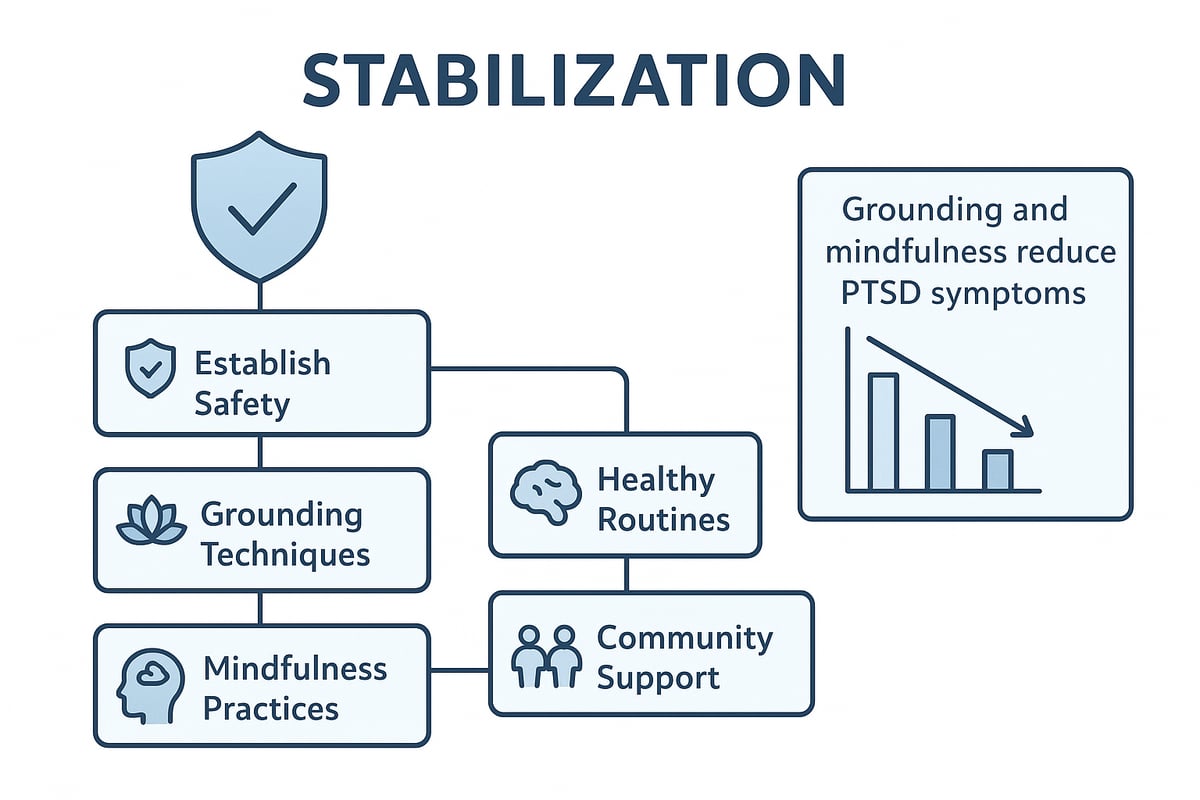
Effective trauma recovery strategies focus on calming the nervous system and restoring balance. Grounding techniques, such as focusing on your senses or deep breathing, help anchor you in the present. Mindfulness practices, including yoga, meditation, and breathwork, have strong evidence for reducing symptoms and promoting emotional regulation.
For those overwhelmed by talk therapy, nonverbal approaches like acupuncture or movement therapies can be powerful. In fact, studies show Mindfulness-Based Stress Reduction and acupuncture can significantly lower PTSD symptoms. Auricular acupuncture, for example, has supported refugees from diverse backgrounds with cultural sensitivity.
Daily habits matter. Prioritizing sleep, balanced nutrition, and regular routines supports stability. Remember, safety is not a one-time event, but an ongoing process. For further context and a deeper look at the interplay between trauma, anxiety, and depression, explore Trauma, Anxiety, and Depression Insights.
Step 2: Remembrance, Mourning, and Meaning-Making
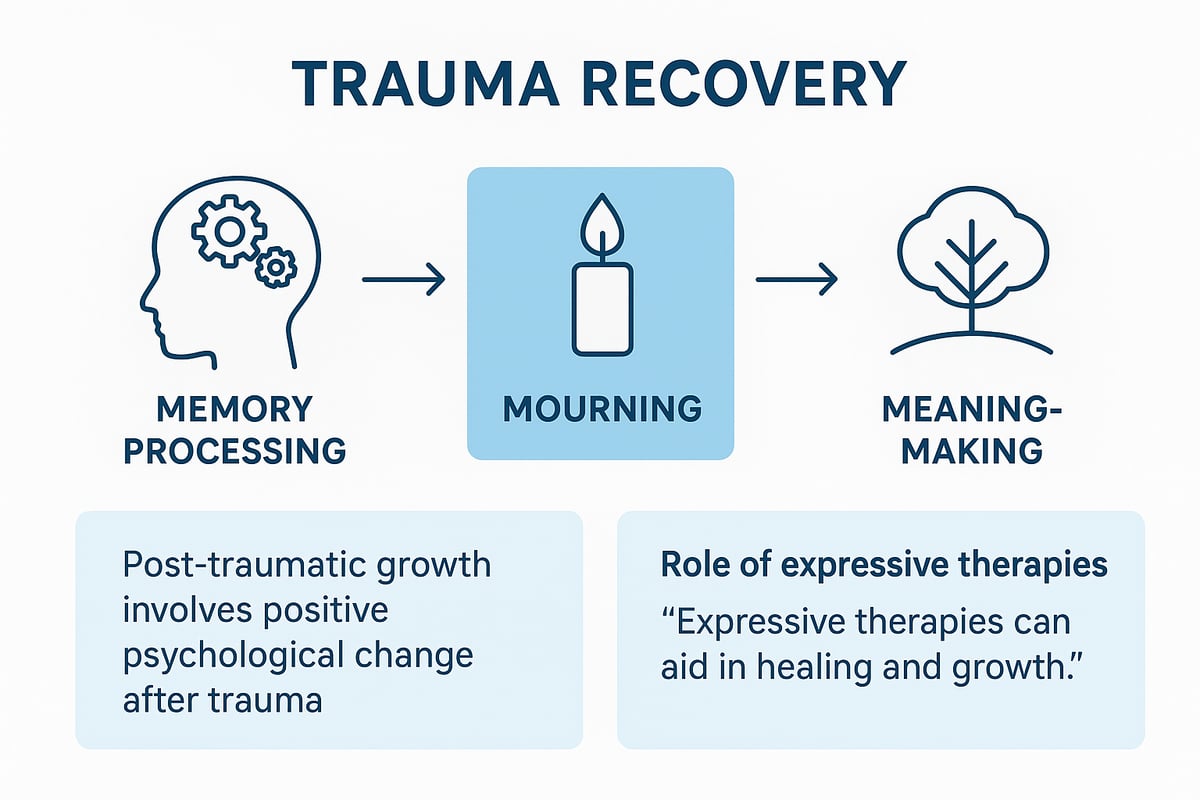
Facing the past is a central part of trauma recovery. This phase involves turning toward difficult memories and emotions, allowing for healing and transformation. By processing experiences and mourning losses, individuals can find new meaning and strength.
Processing Trauma Memories
Processing traumatic memories is a delicate, highly personal journey. For some, retelling their story helps them reclaim power, while others may find it overwhelming. The right pace is essential, as trauma recovery is not a race.
Therapists often use evidence-based approaches to support clients. For instance, EMDR Therapy for Trauma is widely recognized for helping individuals safely process and reframe distressing memories. Group support and creative therapies, like narrative writing or expressive arts, offer nonverbal ways to work through trauma.
Each person's readiness varies. Some prefer to revisit memories gradually, while others engage through art, movement, or storytelling. Respecting these differences is crucial for healing.
Mourning Losses and Making Meaning
Trauma often brings loss—of relationships, trust, or innocence. Mourning these losses is a vital part of trauma recovery, allowing space for grief and acceptance. Healthy expression might include talking with loved ones, journaling, or participating in cultural rituals.
Finding meaning in adversity can foster resilience and spark growth. Many discover new strengths or a sense of purpose as they integrate their experiences. Rituals, community ceremonies, or spiritual practices can help transform pain into hope and connection.
This phase supports individuals in weaving trauma into their life story, not as a defining event, but as a chapter of growth.
Step 3: Reconnection and Integration
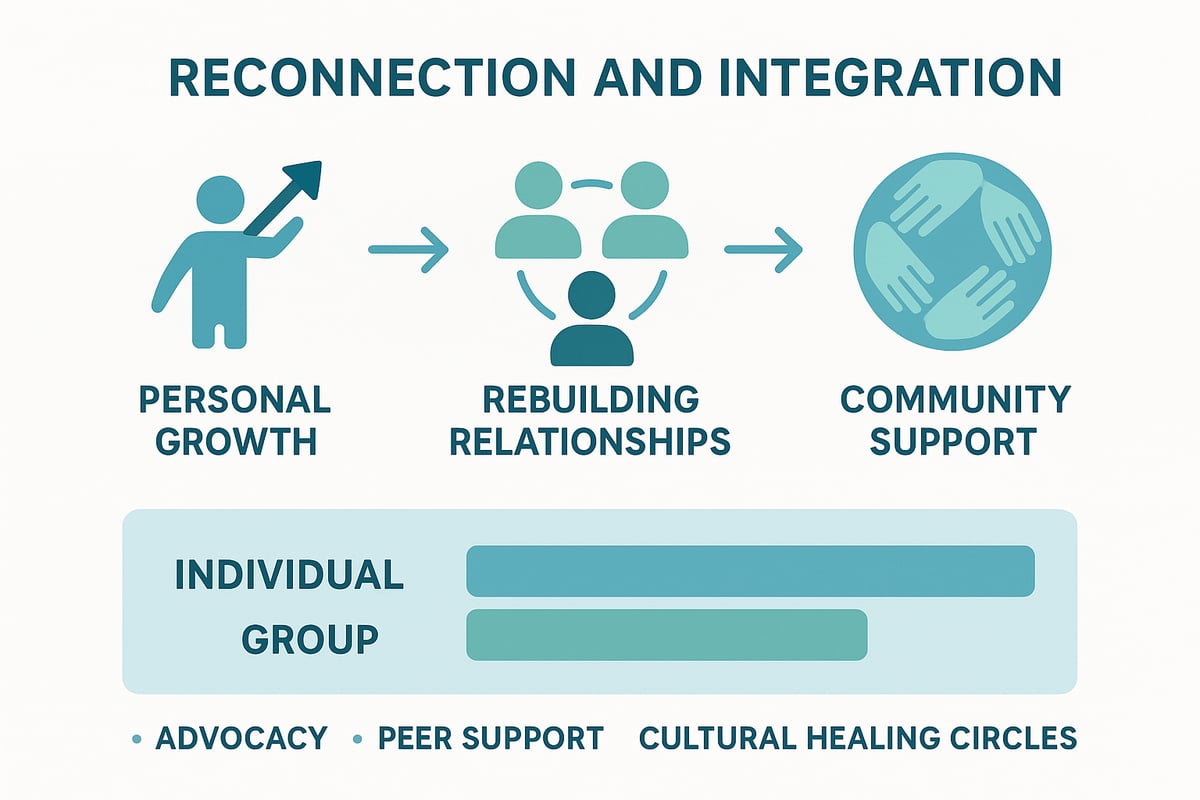
Healing from trauma recovery involves more than just overcoming the past. This stage focuses on reconnecting with your sense of self and rebuilding healthy relationships. Many individuals find this step both challenging and transformative as they move toward lasting change.
Rebuilding a Sense of Self
Trauma can deeply affect how you see yourself, often leading to feelings of disconnection or diminished self-worth. In trauma recovery, rebuilding your sense of identity is essential. This process includes identifying personal strengths, clarifying values, and setting new goals that reflect who you are beyond your experiences.
Many people discover empowerment by moving from a sense of victimhood to taking control of their narrative. Engaging in advocacy, peer support, or creative projects can be powerful ways to regain purpose. Research shows that meaningful activities not only foster resilience but also promote long-term healing and growth.
Restoring Relationships and Community
Supportive relationships are a cornerstone of trauma recovery. Rebuilding trust and intimacy may take time, but it is possible with patience and intention. Strategies include open communication, setting healthy boundaries, and seeking group therapy or peer mentorship.
Community involvement, such as joining healing circles, volunteering, or participating in family therapy, creates a strong support network. For those seeking accessible options, programs like the Affordable Therapy Program offer valuable resources. Embracing cultural and spiritual connections during this phase can further enrich the journey toward wholeness.
Holistic Approaches and Support Systems
Healing from trauma recovery is most effective when it addresses the whole person. Integrating mind, body, and spirit creates a foundation for lasting change. Many people find that blending traditional therapy with holistic practices leads to deeper, more sustainable healing.
Integrating Mind, Body, and Spirit Healing
Holistic trauma recovery combines evidence-based therapy with practices like mindfulness, yoga, and spiritual rituals. These approaches help people reconnect with their bodies and foster emotional balance. Cultural healing ceremonies and community traditions also play a key role for many.
Research shows that mindfulness and self-compassion can boost daily resilience and reduce symptoms of distress. A Trauma-Informed Care: A Systematic Review highlights the effectiveness of integrating trauma-informed practices for diverse populations. Many individuals experience better outcomes when they include spiritual or cultural rituals alongside standard therapy.
Building and Sustaining a Support System
A strong support network is essential for trauma recovery. Family, friends, and professionals each offer different kinds of encouragement and guidance. Seeking out peer groups or digital mental health tools can help fill gaps when in-person support is limited.
To maintain support, reach out regularly and communicate your needs clearly. Consider joining community organizations or online forums focused on trauma recovery. Remember, healing is an ongoing journey. Having reliable support makes it easier to navigate setbacks and celebrate progress.
Resources for Trauma Recovery in 2026
Finding the right support is crucial for anyone on a trauma recovery journey. Access to reliable resources can make the process less overwhelming and more empowering for individuals and families.
Key Resources for Trauma Recovery:
- Books: Titles like "The Body Keeps the Score" and "Trauma Stewardship" offer foundational knowledge.
- Websites: National mental health organizations and curated portals provide up-to-date guidance.
- Crisis Lines: Services like Kids Help Phone and Talk Suicide Canada are available 24/7.
- Digital Tools: Mobile apps for mindfulness, journaling, and peer support make help accessible anytime.
- Therapists & Support Groups: Seek trauma-informed professionals and local or online peer networks.
- Culturally Specific Supports: Look for organizations serving Indigenous, newcomer, and LGBTQ+ communities.
When choosing therapy, options like CBT, EMDR, and group therapy can be tailored to individual needs. For Canadians, reviewing Injury and Trauma Statistics in Canada offers insight into national trends and resource availability.
Prioritize culturally responsive and accessible help, especially for children, youth, and marginalized groups. Continuous learning and connecting with trustworthy sources are central to long-term trauma recovery.
Recovering from trauma is a deeply personal journey, and taking those first steps can feel overwhelming. As we’ve explored, healing is not linear—establishing safety, processing memories, and reconnecting with yourself and others all play a crucial role in moving forward. At Théla Psychotherapy Clinic, you’ll find compassionate professionals dedicated to trauma-informed and culturally responsive care, whether you prefer in-person support in Markham or the flexibility of online sessions anywhere in Ontario. If you’re ready to explore what healing could look like for you, I invite you to Let's Connect! Book a Call.

Bonny Li
Contact Me
.jpg)