We've all been through tough times, but some experiences cut deeper than others. Life trauma isn't just about what happened to you - it's about how those experiences continue to affect your mind, body, and relationships long after the event has passed. Whether you're dealing with childhood adversity, a sudden loss, or ongoing difficult circumstances, understanding trauma is the first step toward healing. You're not broken, and you're definitely not alone in this journey.
What Actually Counts as Life Trauma
Here's the thing: trauma isn't one-size-fits-all. What feels traumatic to one person might not have the same impact on another, and that's completely okay.
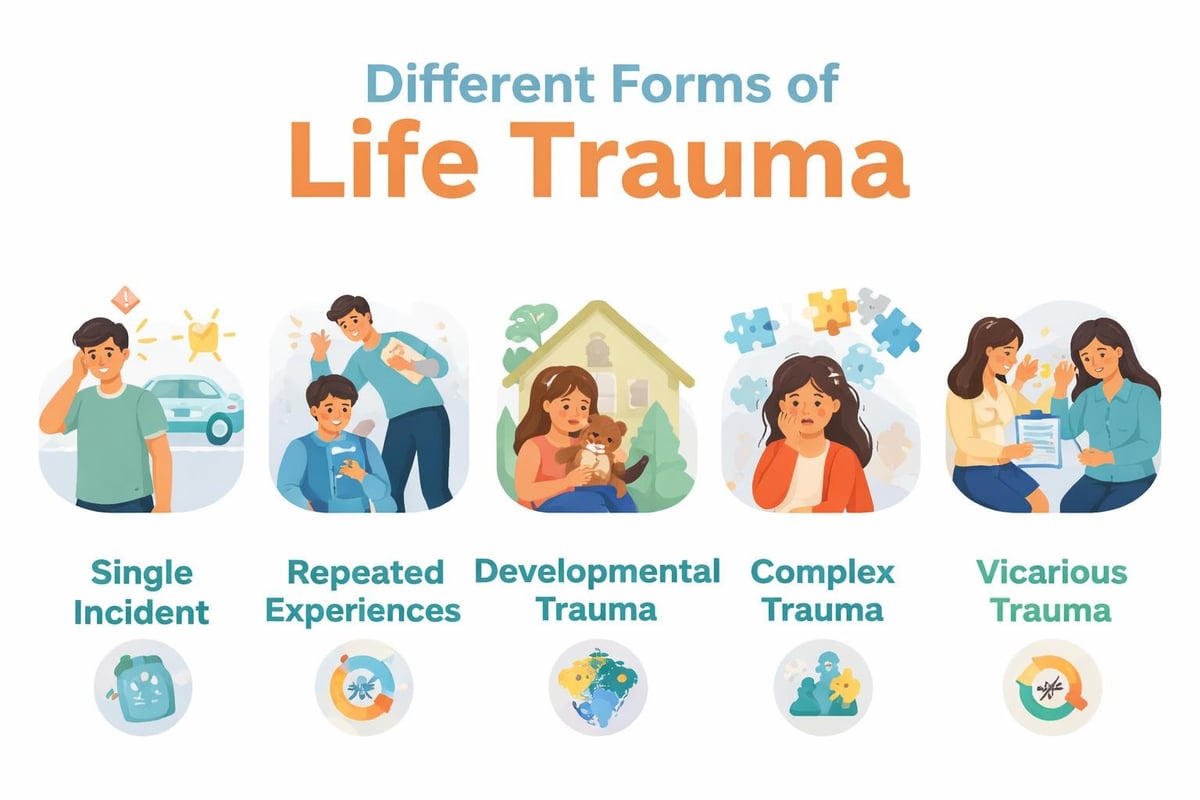
Psychological trauma happens when an experience overwhelms your ability to cope, leaving lasting effects on how you see yourself and the world around you. It can stem from:
- Single incidents like accidents, assaults, or natural disasters
- Repeated experiences such as abuse, neglect, or bullying
- Developmental trauma from childhood adversity
- Complex trauma involving multiple traumatic events over time
- Vicarious trauma from witnessing others' suffering
The truth is, your brain doesn't always distinguish between "big T" and "little t" traumas. That childhood experience of feeling unsafe? It can impact you just as deeply as more obvious traumatic events.
How Life Trauma Shows Up in Your Daily Life
Trauma doesn't always announce itself with obvious symptoms. Sometimes it whispers through anxiety, hides behind anger, or disguises itself as physical pain.
The Mind-Body Connection
Your body literally keeps the score. When you've experienced life trauma, your nervous system can get stuck in survival mode, constantly scanning for danger even when you're safe.
| Physical Signs | Emotional Signs | Behavioral Signs |
|---|---|---|
| Chronic pain | Anxiety or panic | Avoiding reminders |
| Sleep problems | Depression | Hypervigilance |
| Digestive issues | Emotional numbness | Relationship struggles |
| Headaches | Mood swings | Substance use |
The Authority Problem
One lesser-known effect? Childhood trauma can create fears of authority figures that follow you into adulthood. If you find yourself freezing up around bosses or feeling anxious in situations where someone has power over you, trauma might be the hidden culprit.
Evidence-Based Approaches to Healing
Good news: healing from life trauma is absolutely possible. You don't have to stay stuck in survival mode forever.
The most effective treatments work by helping you process traumatic memories safely while building new coping skills. Trauma-informed care recognizes that your symptoms aren't character flaws - they're survival strategies that made sense at the time.
Therapeutic Approaches That Actually Work
EMDR (Eye Movement Desensitization and Reprocessing) helps your brain reprocess traumatic memories so they're less overwhelming. Many people find preparing for EMDR therapy helps them feel more confident going into treatment.
Cognitive Behavioral Therapy (CBT) teaches you to recognize and change thought patterns that keep you stuck. Understanding how CBT therapy works can help you decide if it's right for you.
Dialectical Behavior Therapy (DBT) combines mindfulness with practical skills for managing intense emotions - especially helpful when trauma has led to emotional dysregulation.
Emotionally Focused Therapy (EFT) works wonders when life trauma has affected your relationships and attachment patterns.
The Path Forward Isn't Linear
Let's be real: healing isn't a straight line from point A to point B. Some days you'll feel like you're making progress, and other days you might feel like you're back at square one.
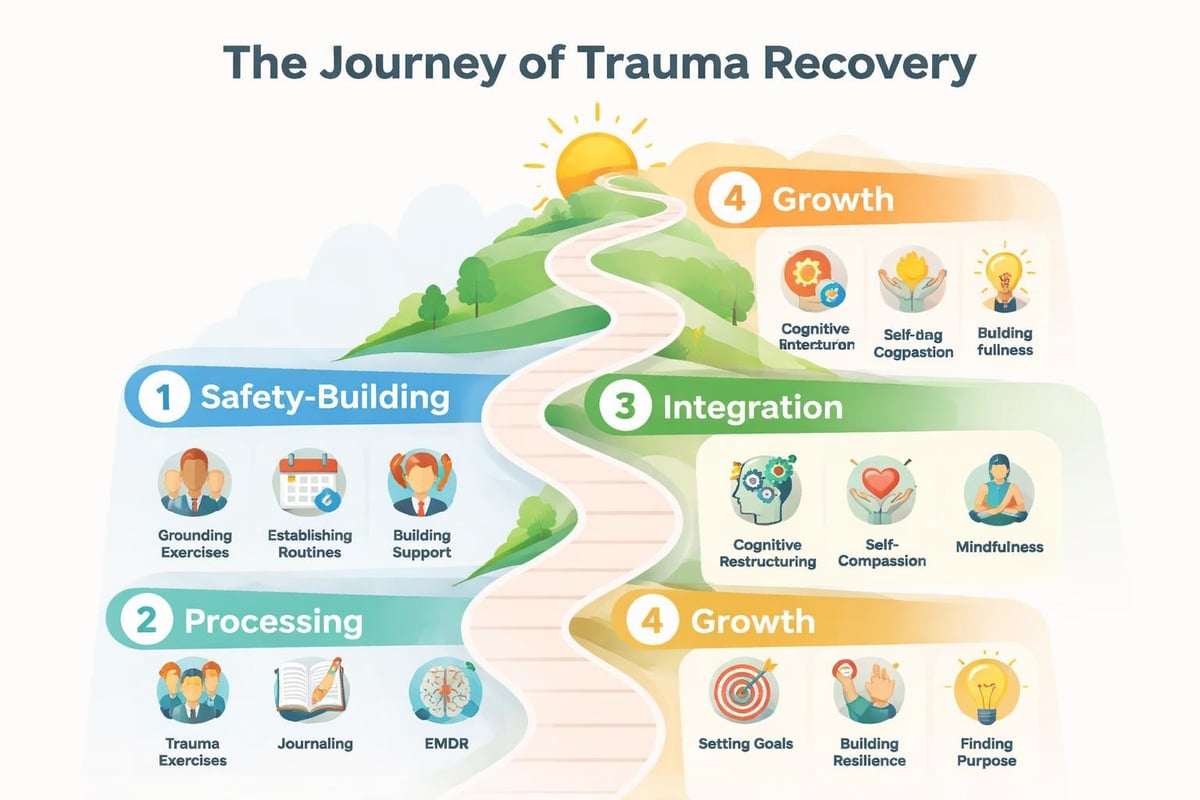
That's completely normal. Recovery involves processing difficult memories, developing new coping strategies, and slowly rebuilding your sense of safety in the world.
Building Your Support System
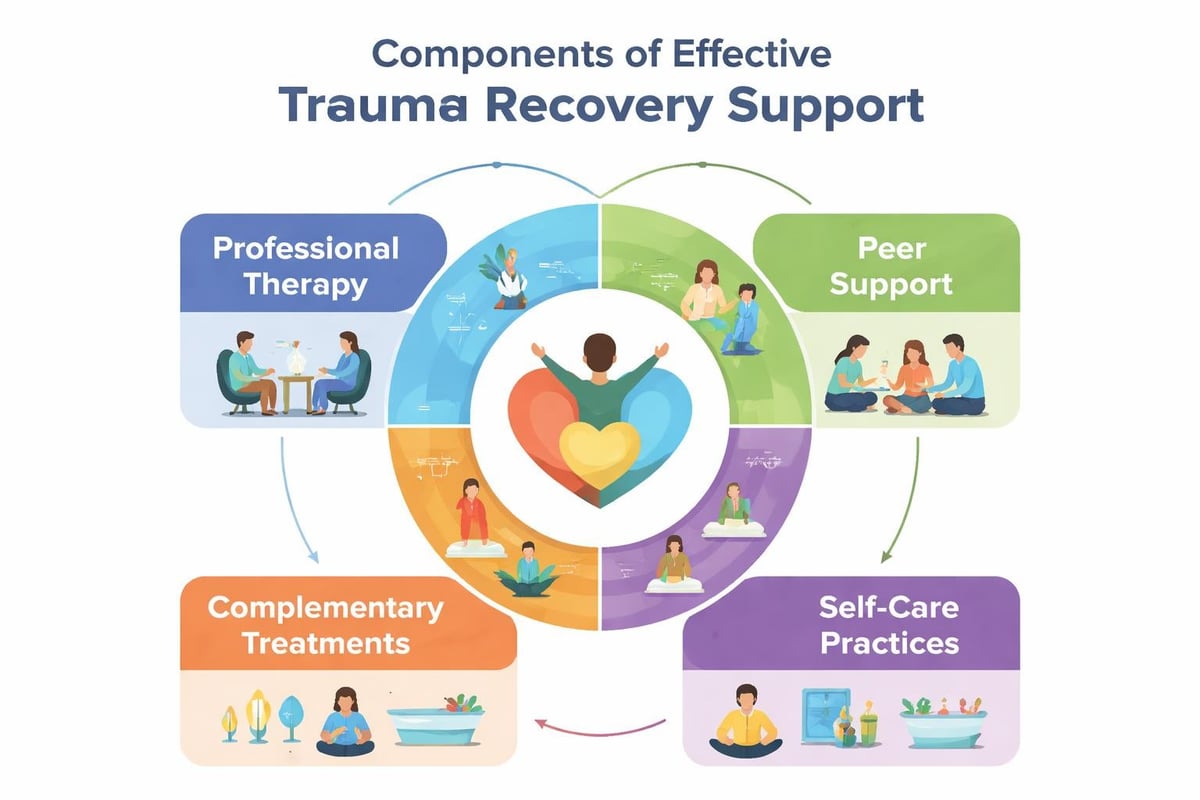
You can't heal in isolation. Whether it's through professional therapy, support groups, or trusted friends and family, connection is crucial.
Consider these support options:
- Individual therapy with a trauma-specialized therapist
- Group therapy where you can connect with others who understand
- Complementary approaches like canine support therapy
- Self-help resources from trusted trauma information sources
When to Seek Professional Help
Wondering if you need professional support? You don't have to be in crisis to deserve help. In fact, reaching out sooner rather than later often leads to better outcomes.
Consider reaching out if you're experiencing:
- Intrusive thoughts or flashbacks about past events
- Difficulty functioning in daily life or relationships
- Persistent anxiety, depression, or emotional numbness
- Self-destructive behaviors or thoughts
- Physical symptoms without medical explanation
The Trauma Institute provides valuable resources for understanding when professional intervention can make the biggest difference.
Finding the Right Therapist
Not every therapist specializes in trauma work, and that's an important distinction. Look for someone who's trained in trauma-focused therapies and creates a safe, non-judgmental space.
Understanding what areas different therapists support helps you find the right match for your specific needs.
Creating Safety in Your Present
While you're working on processing past trauma, you also need strategies for managing symptoms right now. Your present moment matters just as much as your healing journey.
Practical Grounding Techniques
- 5-4-3-2-1 method: Name 5 things you see, 4 you can touch, 3 you hear, 2 you smell, 1 you taste
- Deep breathing: Slow, intentional breaths signal safety to your nervous system
- Movement: Walking, stretching, or dancing helps release stored tension
- Safe space visualization: Mentally create a place where you feel completely secure
Building Resilience
Recovery isn't just about reducing symptoms - it's about building new capacities. Resources on trauma and resilience can help you understand how people bounce back and even experience post-traumatic growth.
The Role of Self-Compassion
Here's something crucial: be gentle with yourself. Life trauma wasn't your fault, and healing takes time. You're doing the best you can with the resources you have.
Self-compassion isn't about making excuses or avoiding responsibility. It's about treating yourself with the same kindness you'd offer a good friend going through something difficult. When you're struggling, that voice in your head should sound supportive, not critical.
Many people find that working through trauma requires professional guidance to navigate safely. Whether you're dealing with recent experiences or processing events from years ago, specialized support makes a real difference in your recovery journey.
Understanding life trauma is the foundation for healing, but you don't have to walk this path alone. Recovery happens in the context of safe, supportive relationships - both personal and professional. If you're ready to begin your healing journey with compassionate, evidence-based care, Théla Psychotherapy Clinic offers trauma-informed therapy tailored to your unique needs, with services available both in-person in Markham and online throughout Ontario.

Bonny Li
Contact Me
.jpg)