If you've ever found yourself stuck in a loop of negative thoughts or wondering why certain situations trigger overwhelming emotions, you're not alone. CBT therapy has become one of the most widely used and researched approaches to mental health for a good reason: it works. Whether you're dealing with anxiety, depression, relationship issues, or just trying to understand your own patterns better, cognitive behavioral therapy offers practical tools that can genuinely change how you experience life.
What Actually Is CBT Therapy?
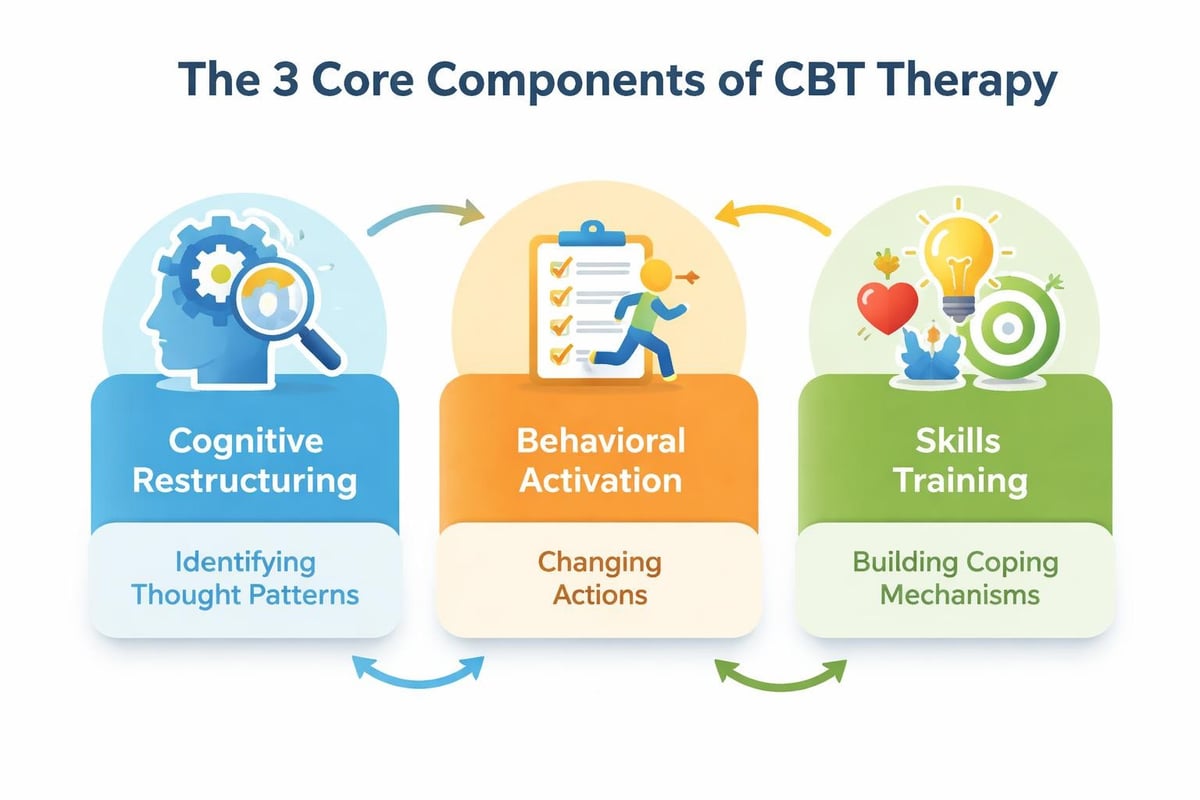
Cognitive behavioral therapy is a structured, goal-oriented form of psychotherapy that focuses on the connection between your thoughts, feelings, and behaviors. The basic idea is that our thoughts influence how we feel, and those feelings impact what we do. When you start to recognize these patterns, you can interrupt unhelpful cycles and build healthier responses.
Unlike some therapeutic approaches that spend years exploring your childhood, cbt therapy is typically shorter-term and action-focused. You'll work collaboratively with your therapist to identify specific problems, set measurable goals, and develop concrete strategies to address them. It's not about dwelling on the past endlessly but about understanding how past experiences shape current thinking patterns and learning to reshape those patterns moving forward.
The Science Behind It
The foundation of cognitive behavioral therapy was laid by Dr. Aaron Beck in the 1960s, and since then, it's been refined and validated through countless studies. Research consistently shows that CBT is effective for a wide range of conditions including anxiety disorders, depression, PTSD, eating disorders, and substance use issues.
What makes CBT particularly powerful is its evidence-based nature. Therapists don't just rely on intuition; they use techniques that have been tested and proven to work. That's why Théla Psychotherapy Clinic's services include CBT as a cornerstone approach alongside other evidence-based modalities.
How CBT Therapy Sessions Work
If you're wondering what to expect when you start CBT therapy, here's the typical structure:
Initial Sessions:
- Your therapist assesses your current challenges and history
- Together, you identify specific goals you want to achieve
- You learn about the CBT model and how thoughts, feelings, and behaviors interact
- You start recognizing your own patterns
Ongoing Sessions:
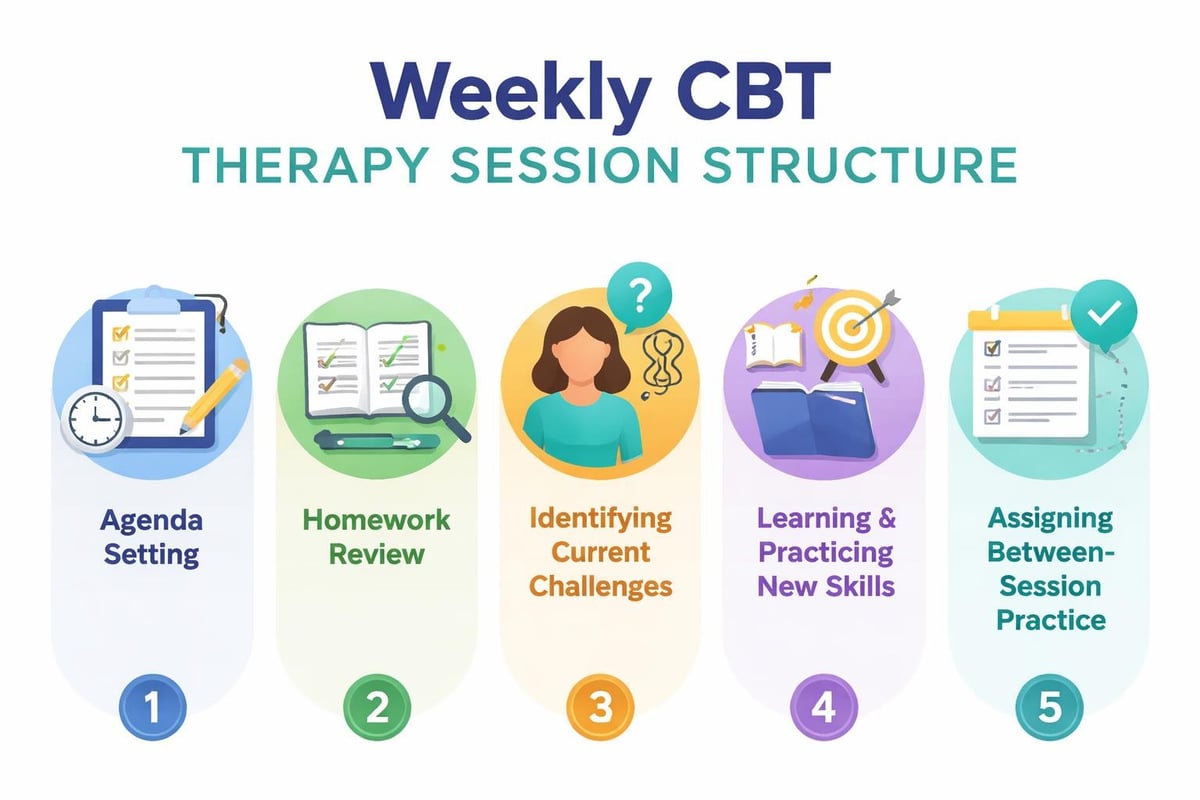
- Each session typically lasts 45-60 minutes
- You review homework from the previous week
- You work through current challenges using CBT techniques
- You practice new skills and strategies
- You receive new assignments to try between sessions
Key Techniques Used:
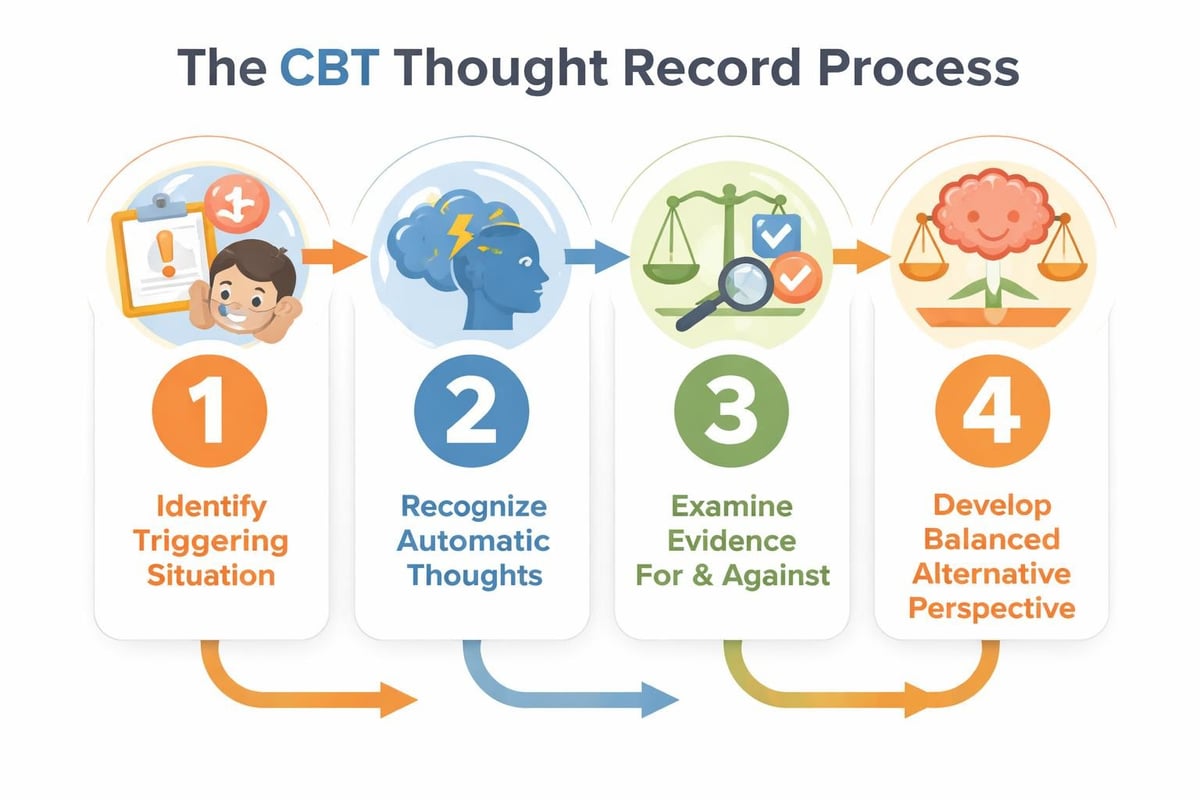
- Cognitive restructuring - identifying and challenging negative thought patterns
- Behavioral experiments - testing beliefs through real-world actions
- Exposure therapy - gradually facing fears in a controlled way
- Activity scheduling - planning positive activities to boost mood
- Relaxation training - learning techniques to manage physical anxiety
The homework component is crucial. CBT isn't just about what happens in the therapy room; it's about practicing new ways of thinking and behaving in your daily life. Think of your therapist as a coach helping you develop skills you'll use long after therapy ends.
What CBT Therapy Can Help With
The versatility of cognitive behavioral therapy is impressive. Here's a breakdown of common issues where CBT has shown strong results:
| Condition | How CBT Helps | Typical Duration |
|---|---|---|
| Anxiety disorders | Challenges catastrophic thinking, teaches grounding techniques | 12-16 sessions |
| Depression | Activates behavior, restructures negative self-talk | 16-20 sessions |
| PTSD | Processes trauma, reduces avoidance behaviors | 12-16 sessions |
| OCD | Exposure and response prevention, cognitive reframing | 12-20 sessions |
| Eating disorders | Addresses body image thoughts, normalizes eating patterns | 16-20+ sessions |
Beyond these specific diagnoses, cbt therapy is also incredibly helpful for everyday challenges like relationship conflicts, work stress, low self-esteem, and life transitions. Many people find that understanding anxiety patterns through a CBT lens helps them manage stress more effectively.
Is CBT Right for You?
CBT works best when you're ready to be an active participant in your healing. If you prefer a more passive therapy experience where you talk and your therapist mainly listens, CBT might feel challenging at first. But if you appreciate structure, want practical tools, and are willing to practice between sessions, you'll likely find it incredibly valuable.
It's worth noting that while CBT is powerful, it's not the only approach. At Théla Psychotherapy Clinic, therapists often integrate CBT with other modalities like EMDR for trauma, DBT for emotional regulation, or EFT for couples work, depending on what each client needs.
Finding the Right CBT Therapist
The therapeutic relationship matters enormously in CBT therapy success. You want a therapist who not only has solid training in cognitive behavioral techniques but who also creates a safe, non-judgmental space where you feel comfortable being vulnerable.
What to Look For:
- Proper credentials and CBT-specific training
- Experience with your particular concerns
- A collaborative, respectful approach
- Clear explanations of the therapy process
- Willingness to adjust the approach to fit your needs
The Association for Behavioral and Cognitive Therapies maintains directories of qualified practitioners, and resources like the Beck Institute offer insights into evidence-based CBT practices. When considering therapy options, exploring Théla's team can help you find someone who specializes in the areas most relevant to your situation.
The Real-World Impact of CBT
Beyond symptom reduction, people who engage in CBT therapy often report lasting changes in how they relate to themselves and others. You start recognizing unhelpful thought patterns before they spiral. You develop a toolkit of strategies for managing difficult emotions. You become more compassionate toward yourself and others.
Research continues to evolve, with advanced technologies now being used to improve therapy delivery and assessment. But at its core, CBT remains about that fundamental human connection between therapist and client, working together toward meaningful change.
Whether you're dealing with relationship anxiety, processing trauma, or working through depression, CBT provides a roadmap. The clinical resources available through professional organizations continue to expand, making evidence-based care more accessible than ever.
The beauty of cognitive behavioral therapy is that it's both scientifically rigorous and deeply personal. It honors the complexity of human experience while offering concrete, practical ways to create change. For many people, that combination is exactly what they need to move from feeling stuck to feeling hopeful again.
CBT therapy offers a proven, practical approach to understanding and changing the patterns that keep you stuck. Whether you're struggling with anxiety, depression, or simply want to develop healthier ways of thinking and relating, cognitive behavioral therapy can provide the tools and support you need. At Théla Psychotherapy Clinic, our experienced therapists integrate CBT with other evidence-based approaches to create personalized treatment plans that honor your unique needs and goals. If you're ready to start your journey toward healing and growth, reach out to explore how we can support you, either in-person in Markham or online across Ontario.

Bonny Li
Contact Me