
We've all been there-that feeling when your chest tightens, your thoughts race, and everything feels like it's too much. Stress isn't just an inconvenience; it's become a serious health concern affecting millions of people across Ontario and beyond. The good news? Stress therapy offers real, evidence-based solutions that can help you reclaim your peace of mind. Whether you're dealing with work pressure, relationship challenges, or just the general overwhelm of modern life, there's a therapeutic approach that can work for you.
What Actually Happens in Stress Therapy
So you're thinking about trying stress therapy, but what does that actually look like? It's not just lying on a couch talking about your feelings (though sometimes that's part of it). Modern stress therapy combines multiple approaches to help you understand your stress triggers, develop coping strategies, and actually rewire how your brain responds to stressful situations.
Evidence-Based Approaches That Work
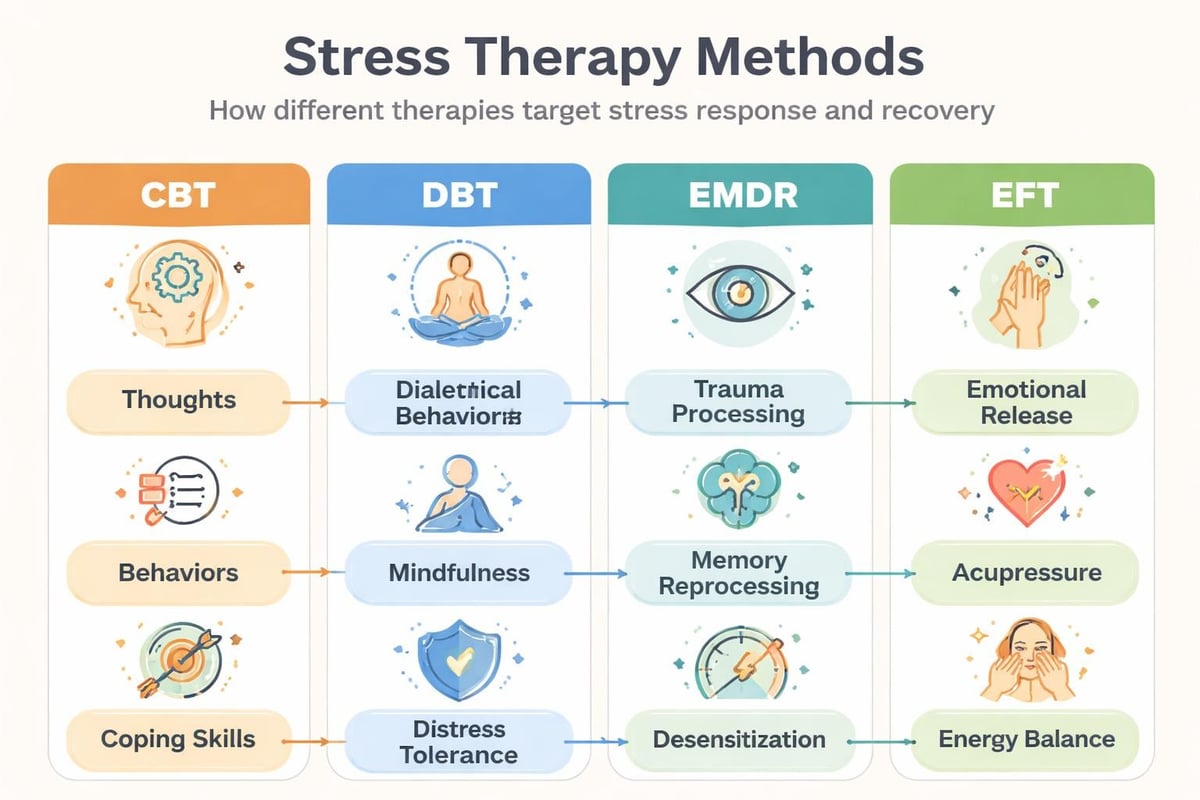
The beauty of stress therapy is that it's backed by research. Cognitive behavioral therapy (CBT) is one of the most effective methods, helping you identify and change the thought patterns that fuel your stress. At Théla Psychotherapy Clinic, therapists use various evidence-based approaches including CBT, DBT, and EMDR to tailor treatment to your specific needs.
Here's what different therapeutic approaches offer:
- CBT: Restructures negative thought patterns and builds practical coping skills
- DBT: Teaches emotional regulation and distress tolerance techniques
- EMDR: Processes traumatic memories that may be contributing to chronic stress
- EFT: Addresses emotional responses and relationship dynamics affecting stress levels
The Mind-Body Connection You Can't Ignore
Your body and mind aren't separate systems-they're constantly talking to each other. When you're stressed, your body responds with increased heart rate, muscle tension, and cortisol production. Over time, this takes a serious toll. Mind and body approaches have proven incredibly effective for managing stress and anxiety.
Progressive muscle relaxation, breathing exercises, and mindfulness practices aren't just feel-good activities. They actually change your nervous system's response to stress. These techniques help activate your parasympathetic nervous system (your "rest and digest" mode), counteracting the constant "fight or flight" response many of us live with.
Why Chronic Stress Needs Professional Support
There's regular stress-like being nervous before a presentation-and then there's chronic stress that just won't quit. Chronic stress affects both physical and psychological health in ways that compound over time. You might notice:
- Sleep disturbances that leave you exhausted
- Physical symptoms like headaches, digestive issues, or muscle pain
- Difficulty concentrating or making decisions
- Increased irritability or mood swings
- Withdrawal from activities you once enjoyed
If this sounds familiar, you're not overreacting by seeking help. Professional stress therapy provides the structure and support needed to break these patterns.
Building Your Personal Stress Management Toolkit
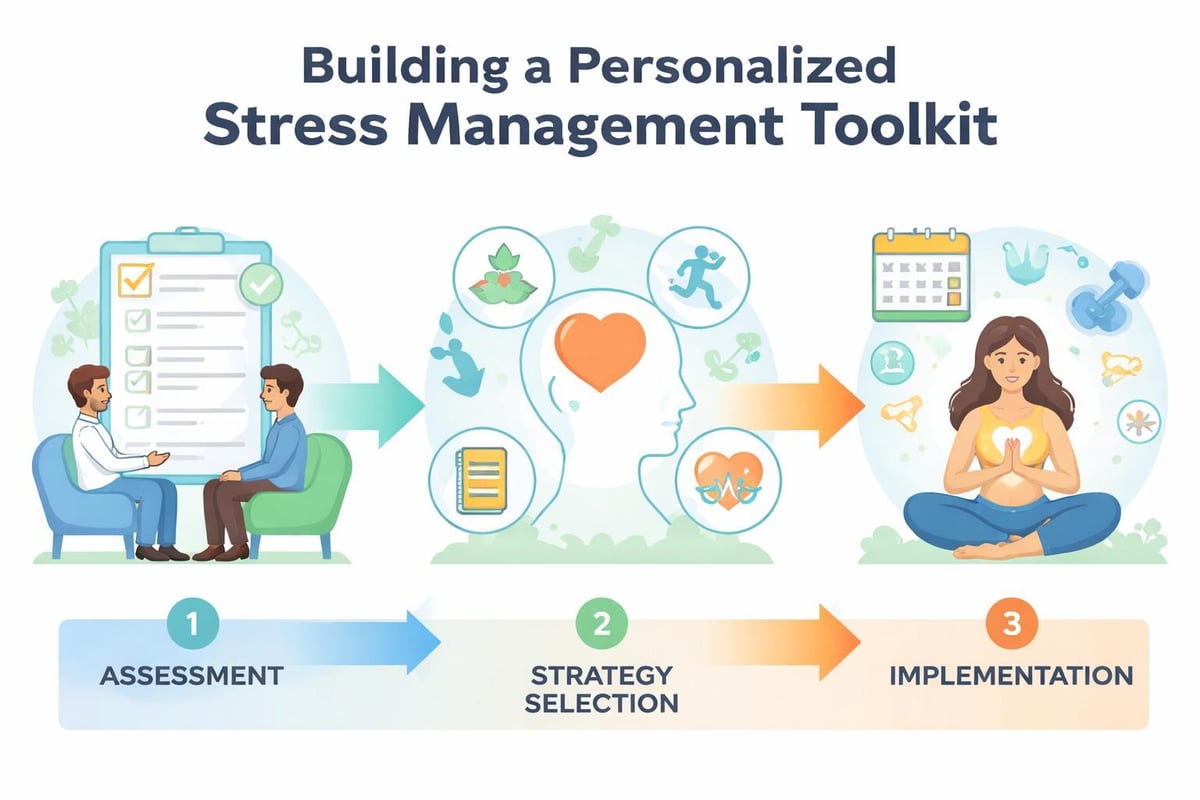
One of the most valuable aspects of working with a therapist is developing personalized strategies that actually fit your life. The Association for Behavioral and Cognitive Therapies outlines several techniques that therapists commonly use, but the real magic happens when these are customized to your situation.
| Technique | What It Does | Best For |
|---|---|---|
| Cognitive Restructuring | Changes unhelpful thought patterns | Worry and rumination |
| Assertiveness Training | Builds communication skills | Relationship and work stress |
| Problem-Solving | Creates action plans for stressors | Feeling overwhelmed |
| Relaxation Training | Reduces physical tension | Physical stress symptoms |
Your therapist might also help you identify what's in your control versus what isn't-a crucial distinction that many stressed-out folks struggle with. Sometimes the most powerful intervention is learning to let go of things you can't change.
When Traditional Talk Therapy Isn't Enough
Sometimes you need something different. That's where innovative approaches like canine support therapy come in. The presence of a therapy dog can lower cortisol levels and increase oxytocin-your body's natural stress-relief hormone. It sounds simple, but the research backs it up.
For couples experiencing stress together, relationship-focused approaches address how stress impacts your partnership. When both partners are stressed, communication often breaks down first. Working through this together can actually strengthen your relationship while reducing individual stress levels.
Making Stress Therapy Accessible
Let's talk about the practical stuff. You might be thinking, "This all sounds great, but can I afford it?" Many people don't realize that therapy is more accessible than they assume. Options like affordable therapy programs make professional support available at different price points.
Access options to consider:
- Insurance coverage through workplace benefits
- Sliding scale fees based on income
- Online therapy sessions (especially helpful if you're in rural Ontario)
- Direct billing to insurance providers
- Employee assistance programs (EAPs)
The investment in your mental health pays dividends. Consider what chronic stress is already costing you-in health, relationships, work performance, and overall quality of life.
Creating Sustainable Change
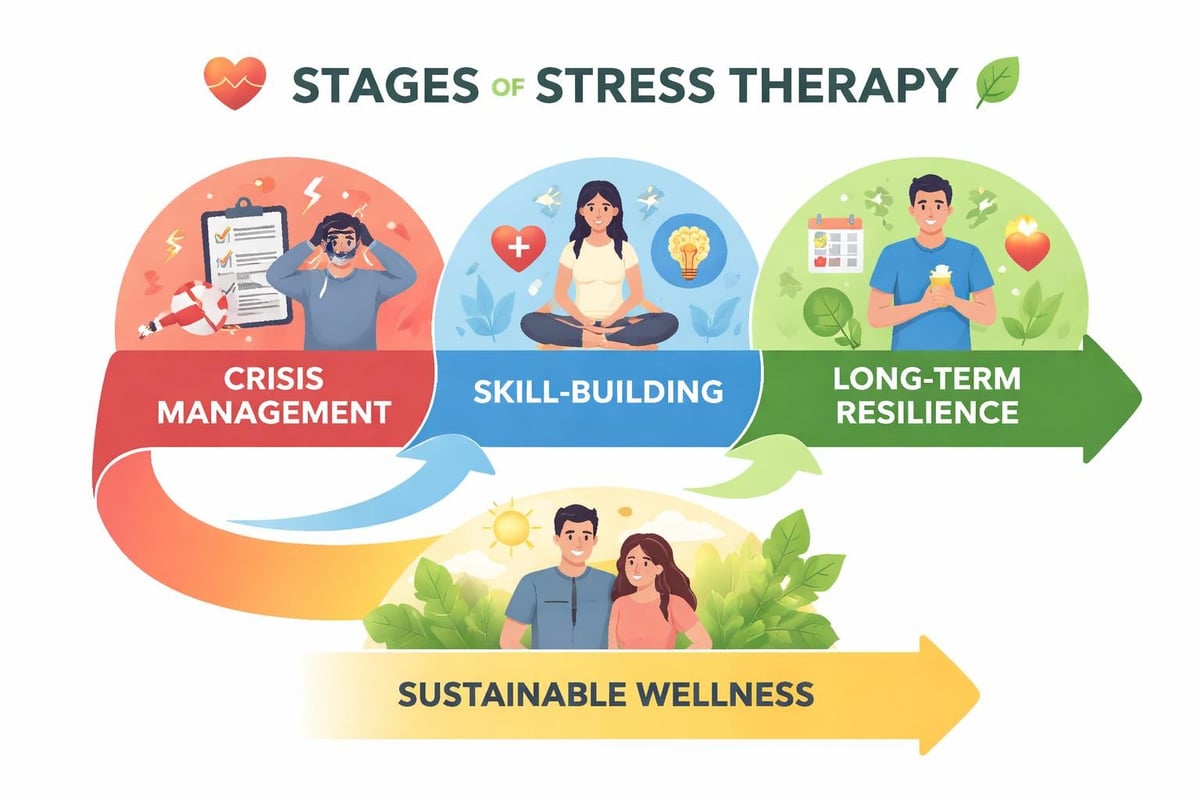
Here's the thing about stress therapy: it's not a quick fix, but it's also not a lifetime commitment. Most people see significant improvements within a few months of consistent work. The goal isn't to eliminate stress entirely (that's impossible), but to change your relationship with it.
You'll learn to recognize your stress signals earlier, respond more effectively, and build resilience for future challenges. Think of it like building muscle-it takes consistent practice, but the strength you develop stays with you. Trauma-informed and culturally responsive care ensures that your therapy respects your background and experiences.
Finding the Right Therapeutic Fit
Not all therapists are created equal, and that's actually a good thing. You want someone who specializes in stress management and uses approaches that resonate with you. When you're looking for support, consider:
- Their training in evidence-based stress interventions
- Whether they offer in-person or virtual sessions
- Their approach to treatment (collaborative? structured? flexible?)
- Your comfort level during initial conversations
The therapeutic relationship itself is a powerful part of healing. Research consistently shows that the quality of the therapist-client connection predicts outcomes as much as the specific techniques used.
Your Stress Doesn't Have to Run Your Life
You've probably tried managing stress on your own-maybe through exercise, meditation apps, or just powering through. Those things can help, but they're often not enough when stress becomes chronic or overwhelming. Professional stress therapy provides the structured support, expert guidance, and personalized strategies that actually create lasting change.
The path forward doesn't have to be complicated. Start by acknowledging that your stress is real, valid, and worth addressing. Then take that next step toward getting support.
Managing stress doesn't mean you're weak-it means you're smart enough to use the tools available to you. Stress therapy offers proven approaches that can transform how you experience and respond to life's challenges. Whether you're dealing with work burnout, relationship tension, or just feeling overwhelmed by daily demands, Théla Psychotherapy Clinic provides trauma-informed, culturally responsive care using evidence-based approaches like CBT, DBT, EFT, and EMDR. With options for in-person sessions in Markham or online therapy across Ontario, plus innovative approaches like canine support therapy, you can find the right fit for your healing journey.

Bonny Li
Contact Me
.jpg)

