Starting therapy can feel like stepping into unknown territory. You're probably wondering what actually happens during sessions, how long it'll take, and whether you'll really feel different afterward. The therapy process isn't a one-size-fits-all experience, but understanding the general framework can help ease some of that initial nervousness and set realistic expectations for your healing journey.
What Is the Therapy Process Anyway?
The therapy process is basically the structured journey you take with your therapist from your first appointment to achieving your mental health goals. It's not just about showing up and talking (though that's definitely part of it). There's actually a method to what might seem like simple conversation.
Think of it as a collaborative relationship where you and your therapist work together to understand your experiences, identify patterns, and develop healthier coping strategies. Research shows that understanding the therapeutic relationship plays a crucial role in successful outcomes.
The Initial Stage: Getting Started
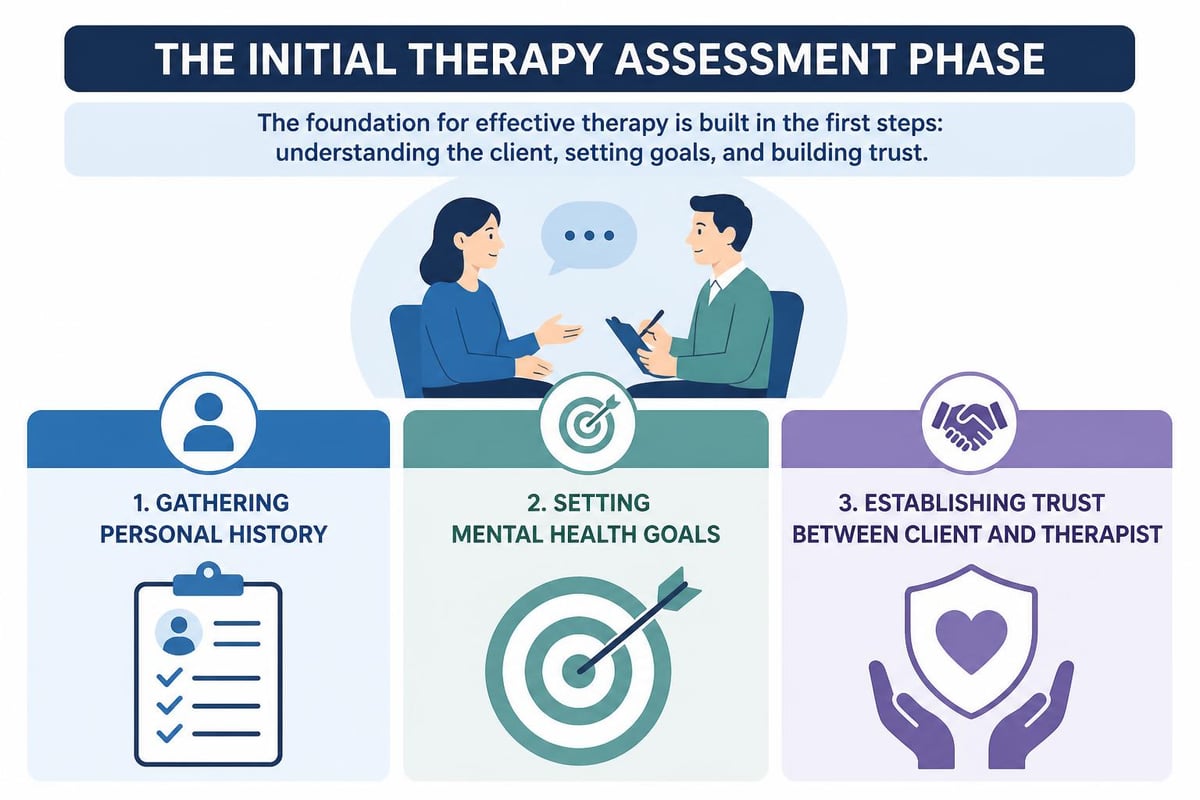
Your first few sessions are all about laying the groundwork. Here's what typically happens:
- Assessment and history gathering where your therapist learns about your background
- Goal setting to identify what you want to achieve
- Building rapport so you feel safe and comfortable opening up
- Discussing confidentiality and what to expect from sessions
This stage can feel a bit formal, but it's essential. Your therapist needs context to understand your unique situation and tailor their approach accordingly. At Théla, therapeutic approaches vary based on individual needs, whether that's CBT, DBT, EFT, or EMDR.
The Middle Stage: Doing the Work
This is where the real transformation happens. The middle phase of the therapy process is often the longest and most challenging part of your journey.
Active Exploration and Processing
You'll dive deeper into the issues that brought you to therapy. This might involve:
- Identifying patterns in your thoughts, emotions, and behaviors
- Processing difficult emotions related to past experiences or trauma
- Challenging unhelpful beliefs that hold you back
- Learning new skills for managing stress, anxiety, or depression
- Practicing techniques between sessions through homework assignments
| What Happens | Why It Matters | What You Might Feel |
|---|---|---|
| Exploring past experiences | Understanding root causes | Vulnerable, sometimes uncomfortable |
| Trying new coping strategies | Building resilience tools | Awkward at first, then empowered |
| Discussing setbacks | Learning from challenges | Frustrated but hopeful |
| Celebrating progress | Reinforcing positive change | Proud and motivated |
The principles of therapeutic change emphasize that participant factors, relationship dynamics, and specific techniques all contribute to healing. You're not passive in this process-you're an active participant in your own growth.
Working Through Resistance
It's totally normal to hit roadblocks. Sometimes you'll feel resistant to exploring certain topics, or you might question whether therapy is working. This resistance is actually valuable information that you and your therapist can explore together.
Psychotherapist mindfulness can enhance the therapy process by creating space for these difficult moments without judgment. Your therapist should help you navigate these challenges with compassion and patience.
The Transformation Stage: Seeing Real Change
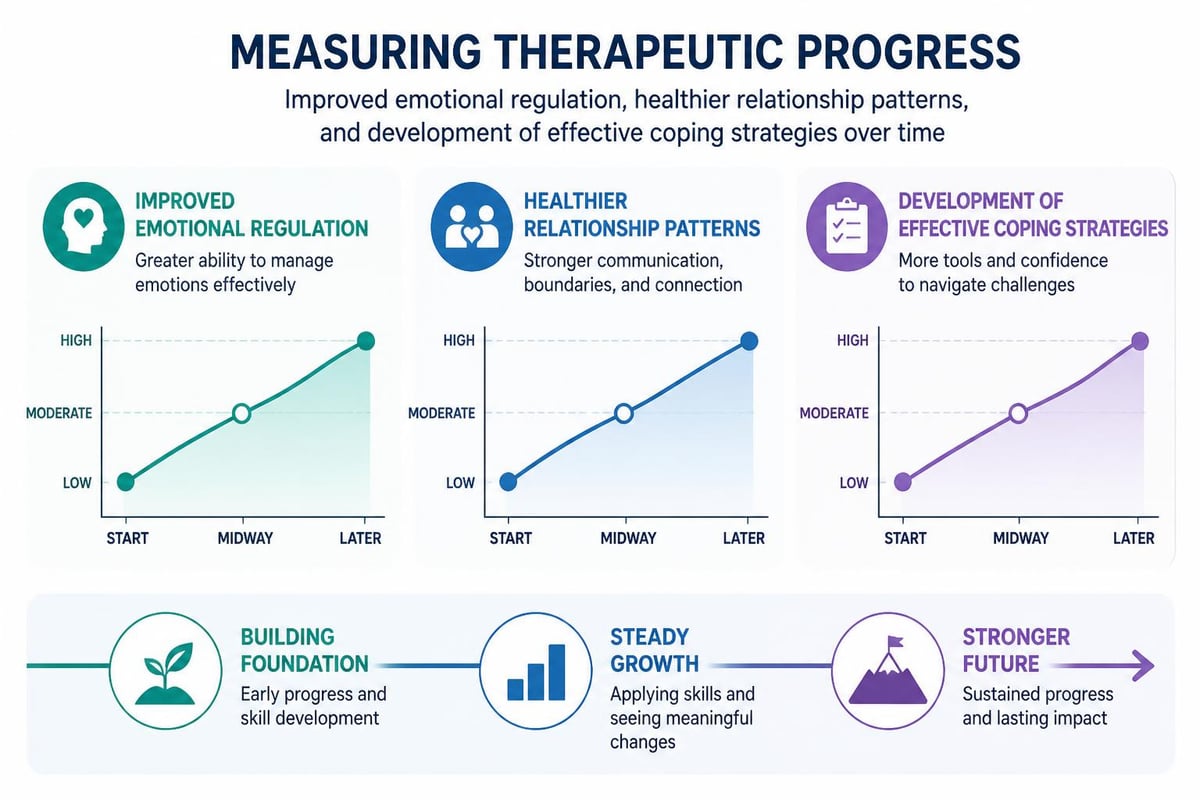
As you continue through the therapy process, you'll start noticing shifts. These changes might be subtle at first-maybe you handle a stressful situation slightly better, or you catch yourself using a coping skill without thinking about it.
Signs You're Making Progress
- Improved self-awareness about your triggers and patterns
- Better emotional regulation when facing challenges
- Healthier relationships with friends, family, or partners
- Increased confidence in your ability to handle difficult situations
- Reduced symptoms of anxiety, depression, or other concerns
Progress isn't always linear. You'll have good weeks and tough weeks, and that's completely expected. For those dealing with specific challenges like depression, the therapy process requires patience and commitment.
Different Approaches Within the Therapy Process
The specific techniques used during your therapy process depend on your needs and your therapist's training. Here's how different modalities might shape your experience:
Cognitive Behavioral Therapy (CBT) focuses on identifying and changing thought patterns that contribute to problematic behaviors or emotions. You'll likely receive worksheets and practice exercises.
Dialectical Behavior Therapy (DBT) emphasizes mindfulness, distress tolerance, emotion regulation, and interpersonal effectiveness. Expect skill-building and practical tools.
Emotion-Focused Therapy (EFT) helps you understand and transform difficult emotional experiences. Learning emotion-focused therapy involves exploring feelings in a safe, supportive environment.
Eye Movement Desensitization and Reprocessing (EMDR) uses bilateral stimulation to process traumatic memories. If you're considering this approach, preparing for EMDR therapy can help you understand what to expect.
What About Session Frequency and Duration?
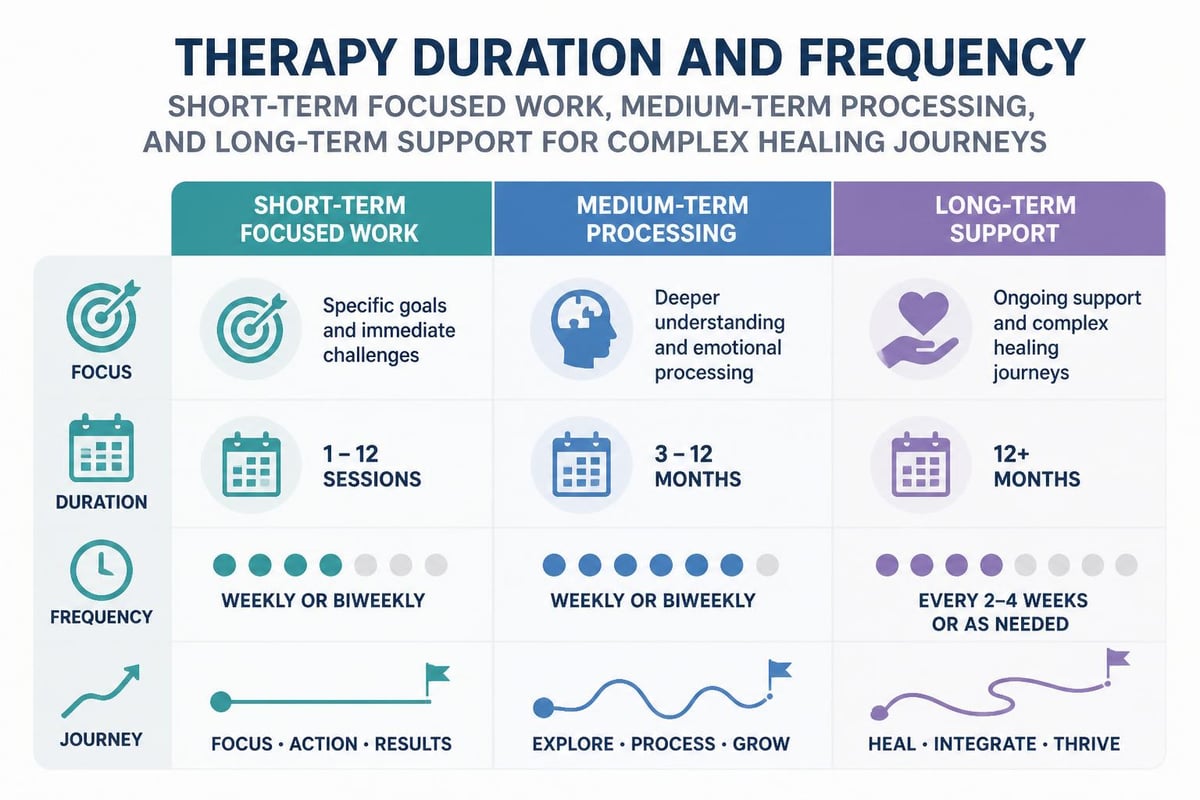
Most people start with weekly sessions, though this can vary. Some folks need twice-weekly appointments initially, while others space sessions out to biweekly as they progress.
The total length of the therapy process depends on several factors:
- Complexity of issues you're addressing
- Your goals and what you want to achieve
- Your engagement and willingness to do the work
- Life circumstances and external support systems
- Type of therapy being used
| Therapy Duration | Typical For | Session Frequency |
|---|---|---|
| Short-term (8-20 sessions) | Specific issues, skill-building | Weekly |
| Medium-term (6-12 months) | Moderate concerns, relationship issues | Weekly to biweekly |
| Long-term (1+ years) | Complex trauma, deep-rooted patterns | Weekly initially, then adjust |
Some people find relief in just a few months, while others benefit from ongoing support over years. There's no shame in needing more time-healing happens at different paces for everyone.
Making the Most of Your Therapy Process
You can actively contribute to your progress by staying engaged between sessions. Here are some practical ways to maximize your therapy experience:
- Be honest and open with your therapist, even when it's uncomfortable
- Complete homework assignments or practice skills discussed in session
- Track your mood and triggers to identify patterns
- Ask questions when something isn't clear
- Communicate about what's working and what isn't
Remember that your counselling journey is uniquely yours. What works for someone else might not work for you, and that's okay.
The Role of the Therapeutic Relationship
One of the most powerful elements of the therapy process isn't actually any specific technique-it's the relationship you build with your therapist. This connection provides a safe space where you can be vulnerable, try new behaviors, and receive non-judgmental support.
Research on clinical training in relational therapies shows that the quality of the therapeutic relationship significantly impacts outcomes. A good therapist-client fit matters more than you might think.
If you don't feel comfortable with your therapist after a few sessions, it's absolutely okay to seek a different provider. The Théla team includes diverse practitioners with various specialties, making it easier to find someone who's right for you.
When the Therapy Process Includes Additional Support
Sometimes the therapy process incorporates unique elements beyond traditional talk therapy. For instance, canine support therapy can provide comfort and emotional regulation support during sessions. Animal therapy offers a different avenue for connection and healing.
For couples, the therapy process looks different than individual work. You'll focus on communication patterns, conflict resolution, and rebuilding connection. Getting relationship help involves both partners committing to the process.
The therapy process is a journey of self-discovery, healing, and growth that unfolds at your own pace. Understanding what to expect can help you feel more prepared and confident as you take this important step toward better mental health. Whether you're dealing with anxiety, depression, relationship challenges, or trauma, evidence-based therapy can provide the support and tools you need to thrive. Théla Psychotherapy Clinic offers personalized, trauma-informed care both in-person in Markham and online across Ontario, helping you find the right approach for your unique healing journey.

Bonny Li
Contact Me