When someone experiences a break from reality, it can be terrifying for them and their loved ones. Psychosis isn't a condition itself but rather a collection of symptoms that affect how your brain processes information. You might hear voices no one else hears, see things that aren't there, or hold beliefs that don't match up with reality. Understanding what's happening is the first step toward getting the right help and starting your recovery journey.
What Psychosis Actually Means
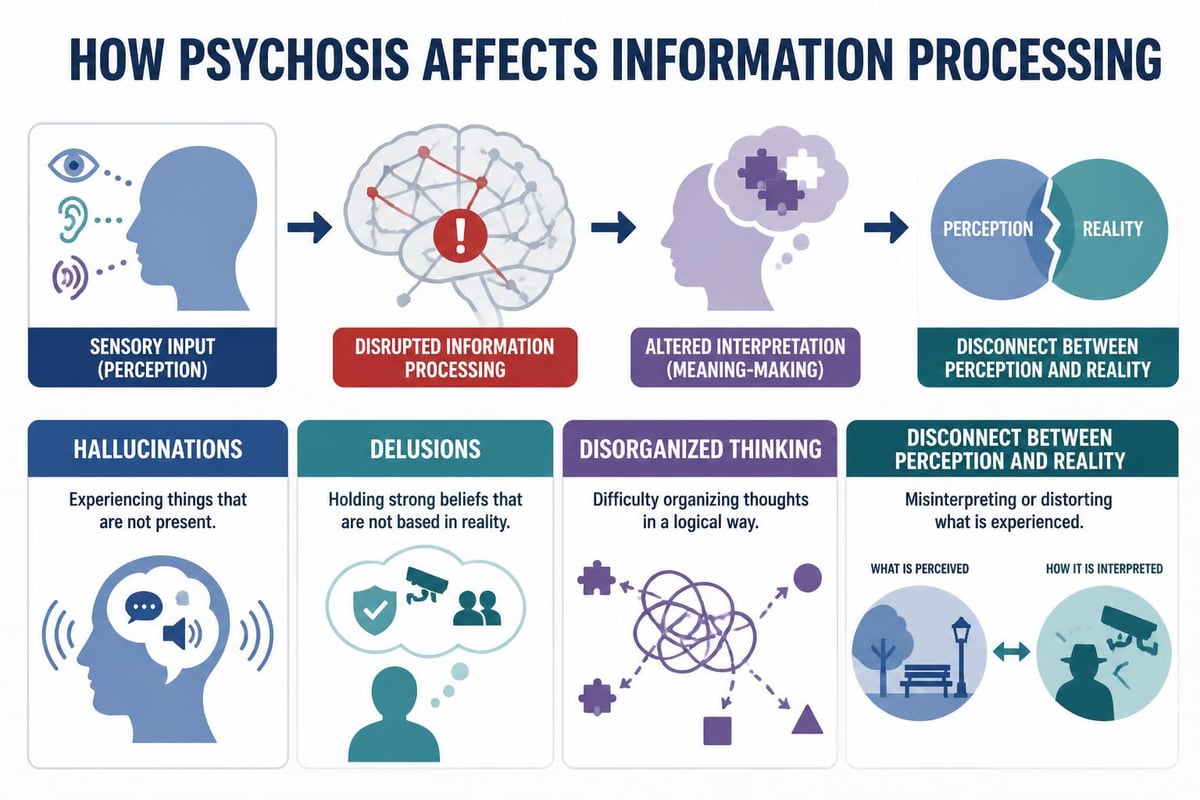
Understanding psychosis starts with knowing it's not a diagnosis on its own. Think of it like fever - it's a symptom that tells you something's going on, but not what's causing it. The experience can include hallucinations (seeing, hearing, or feeling things that aren't real), delusions (strong beliefs that contradict reality), and disorganized thinking that makes it hard to communicate clearly.
Here's what makes psychosis particularly challenging:
- Reality testing breaks down - distinguishing between what's real and what isn't becomes difficult
- Thoughts may race or feel jumbled - making conversation and daily tasks overwhelming
- Emotional responses shift - you might feel paranoid, extremely anxious, or unusually detached
- Sleep and self-care often suffer - daily routines become hard to maintain
The good news? Early intervention makes a huge difference in outcomes. Recognizing early signs and seeking support quickly can lead to better recovery and help prevent future episodes.
Common Causes and Triggers
Psychosis doesn't have just one cause - it's usually a combination of factors working together. Your genetics play a role, but so do life experiences, stress levels, and sometimes substance use. According to medical research on psychosis causes, several conditions can trigger these symptoms.
Mental health conditions often associated with psychosis include:
- Schizophrenia and related disorders
- Bipolar disorder during manic or depressive episodes
- Severe depression with psychotic features
- Post-traumatic stress disorder (PTSD)
- Borderline personality disorder during crisis
Physical and medical factors can also trigger symptoms:
- Brain injuries or neurological conditions
- Certain medications or drug interactions
- Substance use (stimulants, hallucinogens, heavy alcohol use)
- Extreme sleep deprivation
- Medical conditions affecting brain function
If you've experienced life trauma, you're at higher risk for developing psychotic symptoms, especially when combined with other stressors. That's why trauma-informed care is so crucial in treatment.
Treatment Approaches That Work
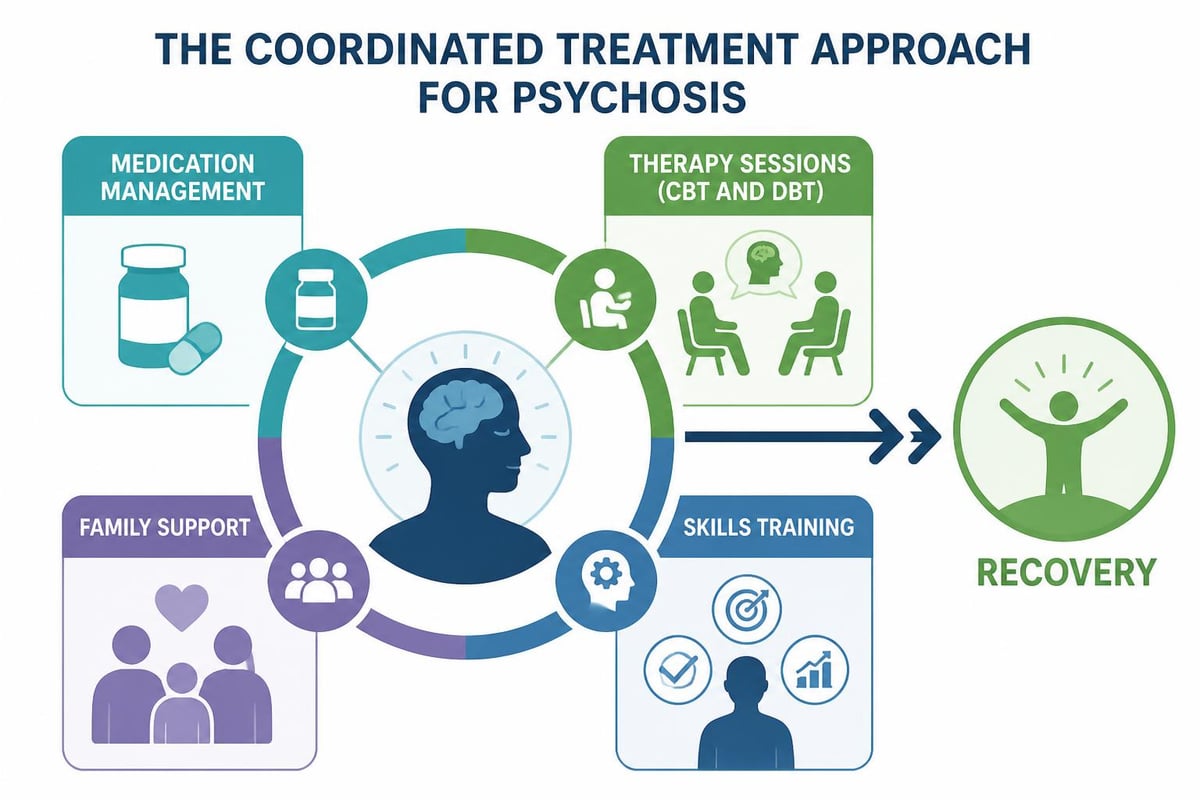
Getting effective treatment for psychosis involves a combination of medication and therapy. You don't have to choose between them - research shows the best outcomes come from using both together. The therapeutic approaches that work best are evidence-based and tailored to your specific situation.
| Treatment Type | Purpose | What It Involves |
|---|---|---|
| Antipsychotic medication | Reduce symptoms | Daily medication to manage hallucinations and delusions |
| Cognitive Behavioral Therapy (CBT) | Challenge distorted thoughts | Weekly sessions to identify and change thought patterns |
| Family therapy | Build support systems | Include loved ones in understanding and recovery |
| Skills training | Improve daily functioning | Learn coping strategies and life skills |
Therapy Modalities for Recovery
Cognitive Behavioral Therapy helps you recognize when your thoughts might not match reality and develop strategies to test them. It's particularly helpful for managing ongoing symptoms and preventing relapse. Dialectical Behavior Therapy (DBT) teaches you skills for managing intense emotions and reducing behaviors that might trigger symptoms.
At facilities offering comprehensive therapy services, you'll find therapists trained in multiple approaches who can adapt treatment to your needs. The goal isn't just symptom management - it's helping you build a life that feels meaningful and connected.
Early Warning Signs to Watch For
Catching psychosis early can prevent a full crisis. The symptoms usually develop gradually over weeks or months, not overnight. You might notice subtle changes before the more obvious symptoms appear.
Early warning signs include:
- Social withdrawal and losing interest in activities
- Difficulty concentrating or keeping up at work or school
- Increased suspicion or unusual ideas
- Changes in sleep patterns
- Neglecting personal hygiene
- Flat or inappropriate emotional responses
Family members and friends often notice these changes first. If you're worried about someone, trust your instincts and encourage them to seek help. According to NIMH research on psychosis management, early intervention programs significantly improve long-term outcomes.
Building Your Support Network
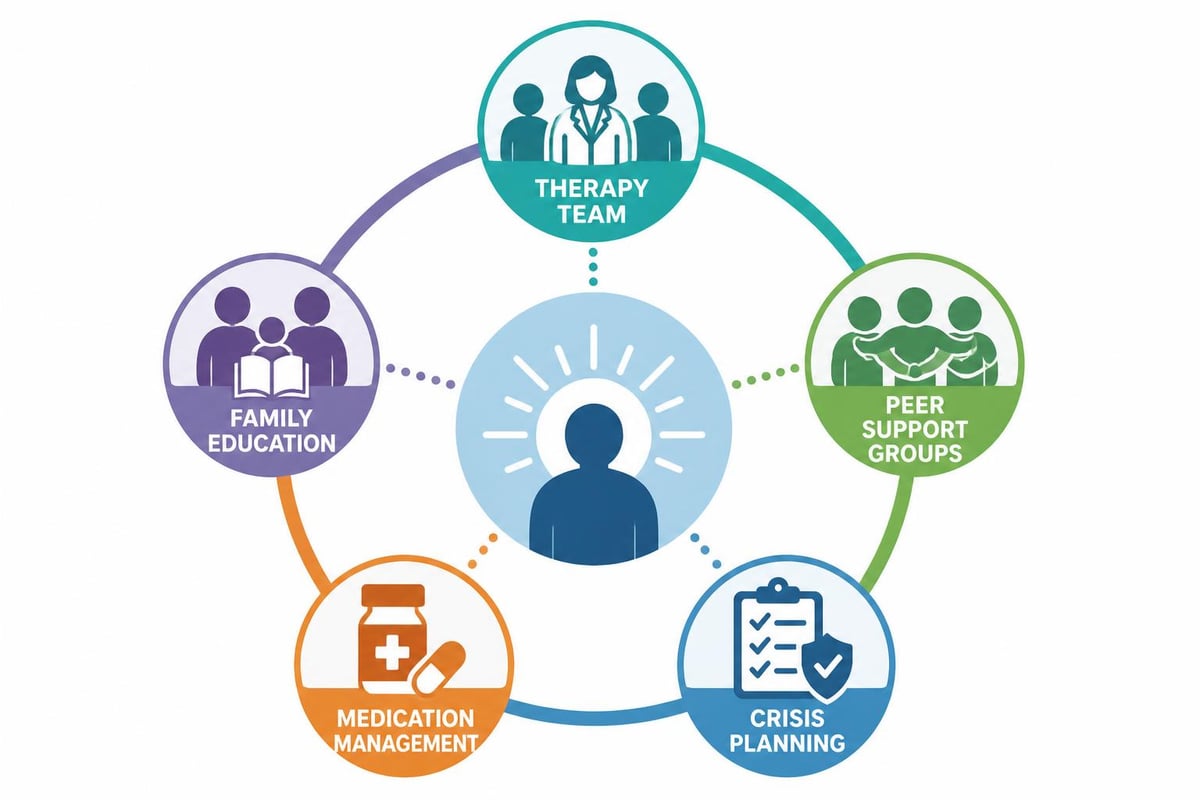
Recovery from psychosis isn't something you do alone. Building a strong support system makes treatment more effective and helps prevent relapse. This includes your treatment team, family and friends, and peer support groups where you can connect with others who understand what you're going through.
Consider these support elements:
- Regular therapy appointments - consistency matters more than you think
- Medication management - work closely with your psychiatrist
- Peer support groups - share experiences and coping strategies
- Family education - help loved ones understand and support you
- Crisis planning - know what to do if symptoms worsen
If you're dealing with anxiety and depression alongside psychotic symptoms, addressing all aspects of your mental health together gives you the best chance at lasting recovery. Many people benefit from working with therapists who understand the connections between different mental health challenges.
Living Well After Psychosis
Recovery looks different for everyone, but most people who experience psychosis can live fulfilling lives with proper treatment and support. You'll learn to recognize your early warning signs, develop coping strategies, and build routines that support your mental health. Managing stress through healthy therapy practices becomes part of your daily life.
Keys to long-term wellness:
- Stick with your treatment plan even when you feel better
- Keep regular sleep schedules and healthy routines
- Avoid drugs and limit alcohol
- Stay connected to supportive people
- Continue therapy to work through challenges
- Monitor your symptoms and report changes early
Remember that setbacks can happen, and that's okay. What matters is having the tools and support to get back on track quickly. Working with a therapist who understands psychosis and uses evidence-based approaches tailored to your needs makes all the difference in your recovery journey.
Understanding and recovering from psychosis takes time, support, and the right treatment approach. Whether you're experiencing symptoms yourself or supporting someone who is, reaching out for professional help is the most important step you can take. Théla Psychotherapy Clinic offers trauma-informed, evidence-based care through approaches like CBT, DBT, and EMDR, with both in-person services in Markham and online therapy across Ontario. Our therapists create a safe, culturally responsive space where you can work toward healing and build the life you deserve.

Bonny Li
Contact Me
.jpg)