You've probably heard the term "healthy therapy" tossed around, but what does it actually mean? It's more than just showing up to sessions and talking about your week. Healthy therapy is about finding the right therapeutic approach that truly supports your growth, respects your unique experiences, and creates lasting positive change in your life. In 2026, we're seeing a shift toward more personalized, evidence-based care that acknowledges the complexity of mental health and the diverse needs of individuals seeking support.
What Makes Therapy Actually Healthy
Healthy therapy starts with the foundation of evidence-based practices. These aren't just buzzwords – they're approaches that have been researched, tested, and proven to work. When you're looking for support, you want methods backed by science, not just good intentions.
Key elements of healthy therapeutic practices include:
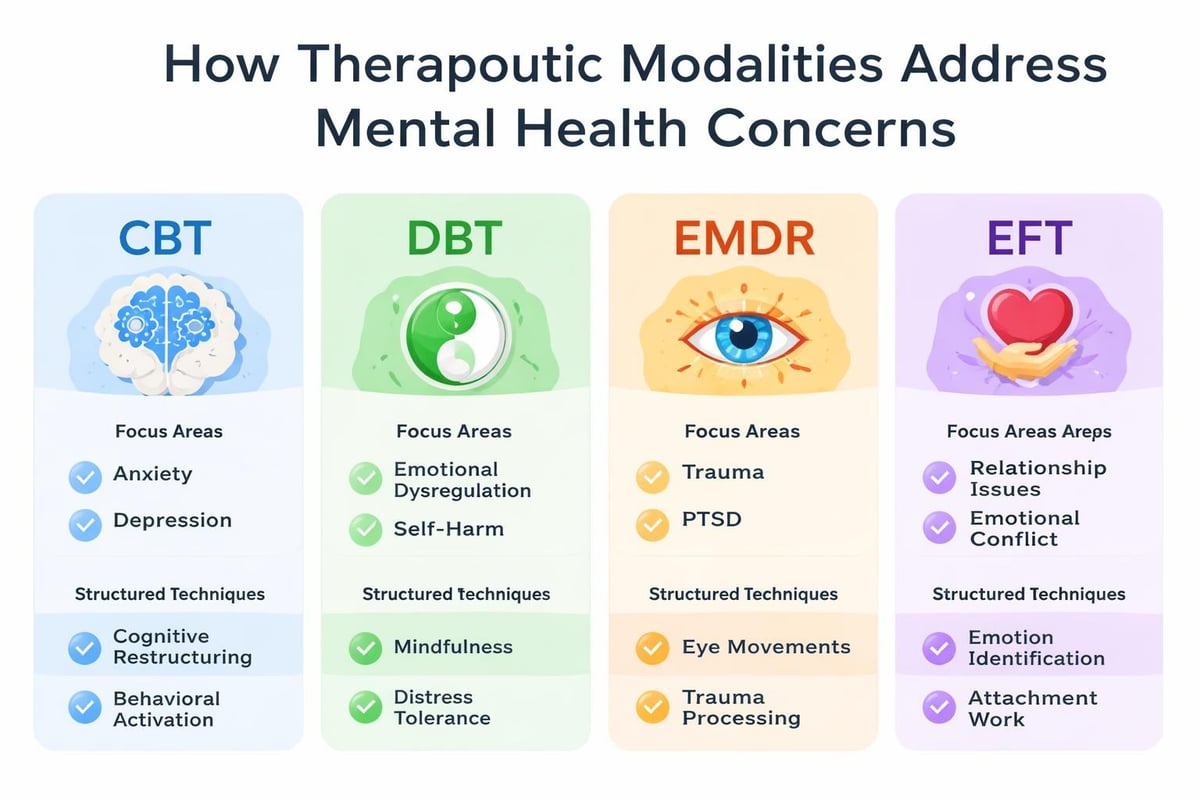
- Evidence-based modalities like CBT, DBT, EMDR, and EFT
- Trauma-informed care that recognizes past experiences
- Culturally responsive approaches that honor your background
- Clear boundaries and ethical standards
- A collaborative relationship between you and your therapist
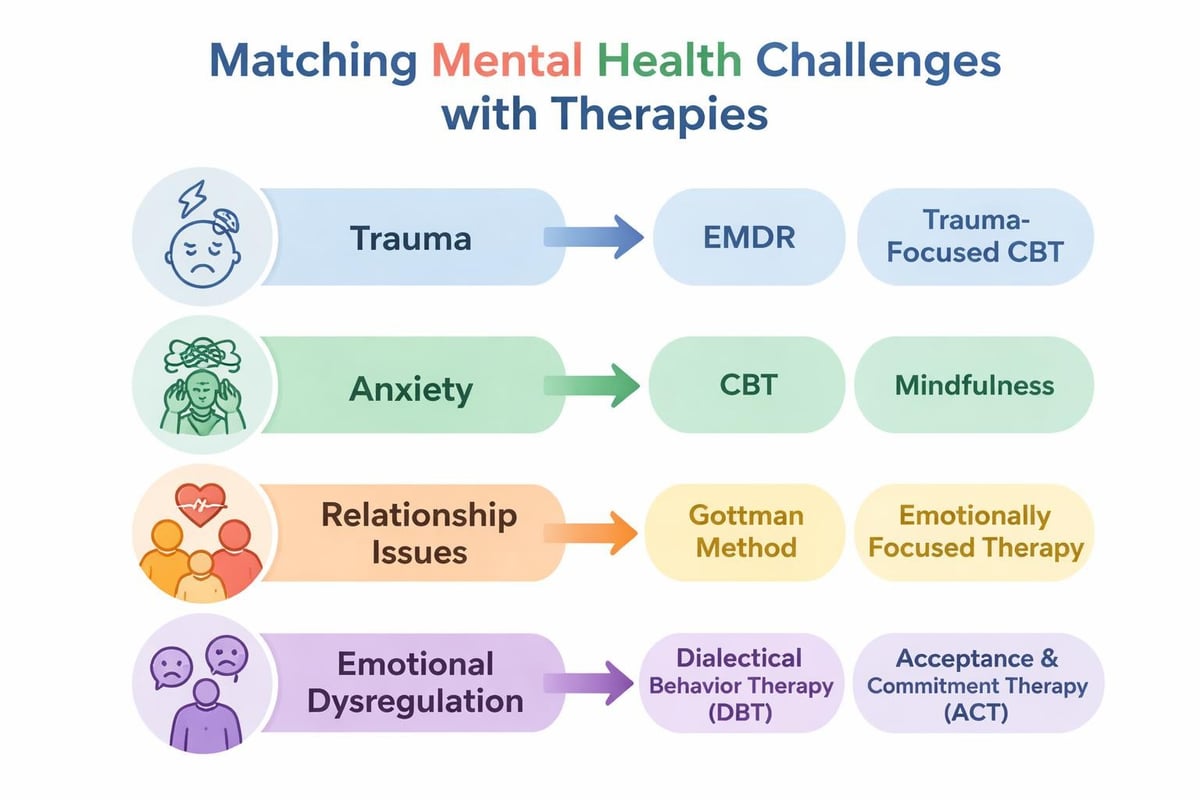
The University of Texas at Austin's counseling resources provide excellent insights into current research supporting these therapeutic approaches. What's crucial is that your therapist doesn't use a one-size-fits-all approach – they should tailor their methods to your specific situation, whether you're dealing with anxiety, trauma, relationship issues, or personal growth challenges.
The Role of Safety and Trust
You can't have healthy therapy without psychological safety. This means feeling comfortable enough to be vulnerable, to share your real struggles without fear of judgment. It's about knowing your therapist has your back and understands that healing isn't linear.
Trust develops when your therapist demonstrates cultural competence and respects your lived experiences. For folks from diverse backgrounds, this is especially important. Trauma-informed individual therapy recognizes that your past experiences shape your present, and healing happens when you feel truly seen and understood.
Finding Your Fit in the Therapeutic Relationship
Here's something they don't always tell you: the therapeutic relationship matters just as much as the techniques used. Research consistently shows that the connection between you and your therapist is one of the biggest predictors of successful outcomes. That's why healthy therapy emphasizes finding the right match.
What to Look For in a Therapist
| Quality | Why It Matters | Questions to Ask |
|---|---|---|
| Specialized Training | Ensures competence in your specific needs | What's your experience with [my concern]? |
| Communication Style | Affects comfort and understanding | How do you typically structure sessions? |
| Cultural Awareness | Respects your identity and background | How do you approach culturally responsive care? |
| Availability | Ensures consistent support | What's your policy on between-session support? |
When exploring therapeutic services, don't hesitate to ask questions. A good therapist welcomes your curiosity and wants to ensure you're making an informed choice. The American Holistic Health Association offers helpful self-help articles that can guide you in understanding what to expect from the therapeutic process.
Evidence-Based Approaches That Work
Let's get specific about what healthy therapy looks like in practice. Different approaches work for different people and situations, which is why having access to multiple modalities matters.
Cognitive Behavioral Therapy (CBT) helps you identify and change thought patterns that aren't serving you. It's particularly effective for anxiety and depression, giving you practical tools to use in daily life.
Dialectical Behavior Therapy (DBT) was originally developed for borderline personality disorder but has proven valuable for anyone struggling with emotional regulation. Understanding BPD and therapeutic support shows how this approach builds skills in mindfulness, distress tolerance, and interpersonal effectiveness.
Eye Movement Desensitization and Reprocessing (EMDR) is a game-changer for trauma work. If you're dealing with PTSD or traumatic memories, EMDR therapy offers a path to processing experiences that feel stuck.
Specialized Support for Specific Needs
Healthy therapy recognizes that different life challenges require different approaches. Couples counseling uses techniques like Emotionally Focused Therapy (EFT) to help partners reconnect and communicate more effectively. The Positive Psychology Center at the University of Pennsylvania offers valuable resources on therapeutic practices that promote relationship well-being.
For parents navigating challenges with their kids, family therapy resources explore how parenting styles impact child development and mental health. Whether you're supporting a child with ADHD or working through family dynamics, specialized approaches make all the difference.
Making Therapy Accessible and Sustainable
One barrier to healthy therapy is accessibility. In 2026, we're seeing more options than ever to make mental health support available to everyone who needs it. This includes online therapy options, sliding scale fees, and affordable therapy programs that don't compromise on quality.
Ways to make therapy more accessible:
- Explore insurance coverage: Many employers offer mental health benefits – check your insurance options to understand what's available
- Consider online sessions: Virtual therapy removes transportation barriers and offers flexibility
- Look for sliding scale programs: Many clinics offer reduced rates based on income
- Use reliable resources: The Authoritative Guide to Self-Help Resources can supplement your therapeutic work
The Ongoing Nature of Mental Health
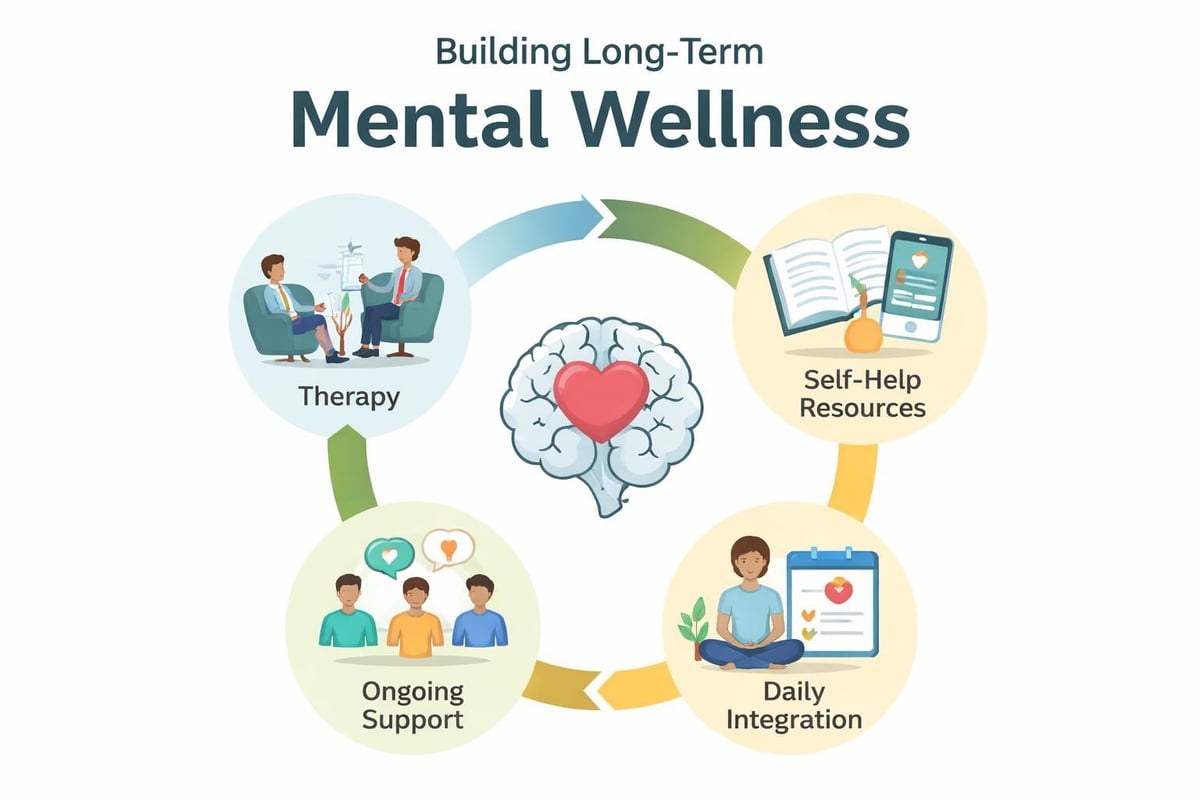
Healthy therapy isn't about "fixing" yourself and being done. It's about developing tools, understanding patterns, and building resilience for life's challenges. Some people benefit from short-term focused work, while others find value in longer-term support as they navigate transitions and growth.
Red Flags and Green Flags in Therapy
Knowing what healthy therapy looks like also means recognizing what it doesn't. You deserve quality care that respects your autonomy and supports your healing.
| Red Flags | Green Flags |
|---|---|
| Therapist talks more than you do | You feel heard and validated |
| No clear treatment plan or goals | Collaborative goal-setting and regular check-ins |
| Boundary violations or dual relationships | Professional boundaries consistently maintained |
| One-size-fits-all approach | Personalized treatment tailored to you |
| Dismissive of your concerns or identity | Cultural responsiveness and respect |
If something doesn't feel right, trust your gut. Common Sense Therapy provides resources on what to expect from professional therapeutic relationships. You're allowed to find a better fit if your current situation isn't working.
Self-Advocacy in the Therapeutic Process
Part of healthy therapy is learning to advocate for yourself. This means speaking up when something isn't working, asking for what you need, and being honest about your progress. Your therapist should welcome this kind of engagement – it's a sign you're taking ownership of your healing journey.
Beyond Traditional Talk Therapy
In 2026, healthy therapy includes innovative approaches that go beyond sitting in an office talking. Some people find incredible healing through creative therapies, body-based approaches, or even canine-assisted therapy. These methods recognize that healing happens in different ways for different people.
The integration of holistic approaches with evidence-based practices creates a comprehensive path to wellness. Whether you're working through relationship anxiety or healing from trauma, combining multiple therapeutic strategies often yields the best results.
Healthy therapy is about finding the right fit, committing to evidence-based approaches, and creating a safe space for authentic growth. When you're ready to begin or continue your healing journey, Théla Psychotherapy Clinic offers trauma-informed, culturally responsive care through both in-person sessions in Markham and online throughout Ontario. With specialized approaches tailored to your unique needs, you can find the support that truly works for you.

Bonny Li
Contact Me