Trauma often shapes our lives in ways we may not see, quietly influencing our thoughts, emotions, and relationships. Many people experience the effects of individual trauma without even realizing its presence.
This guide aims to make sense of individual trauma, clarify its impact, and deliver practical steps for healing, grounded in the latest research for 2026. Our purpose is to give you the tools and knowledge needed to understand and recover from personal trauma.
Throughout this article, we will define what individual trauma is, show how it can appear in daily life, highlight new research on its effects, and share step-by-step healing strategies. You will also discover supportive resources for ongoing recovery.
Trauma is more common than most realize, but recovery is possible. By learning about modern healing methods and taking small, accessible steps, you can regain control and move forward with confidence.
What Is Individual Trauma?
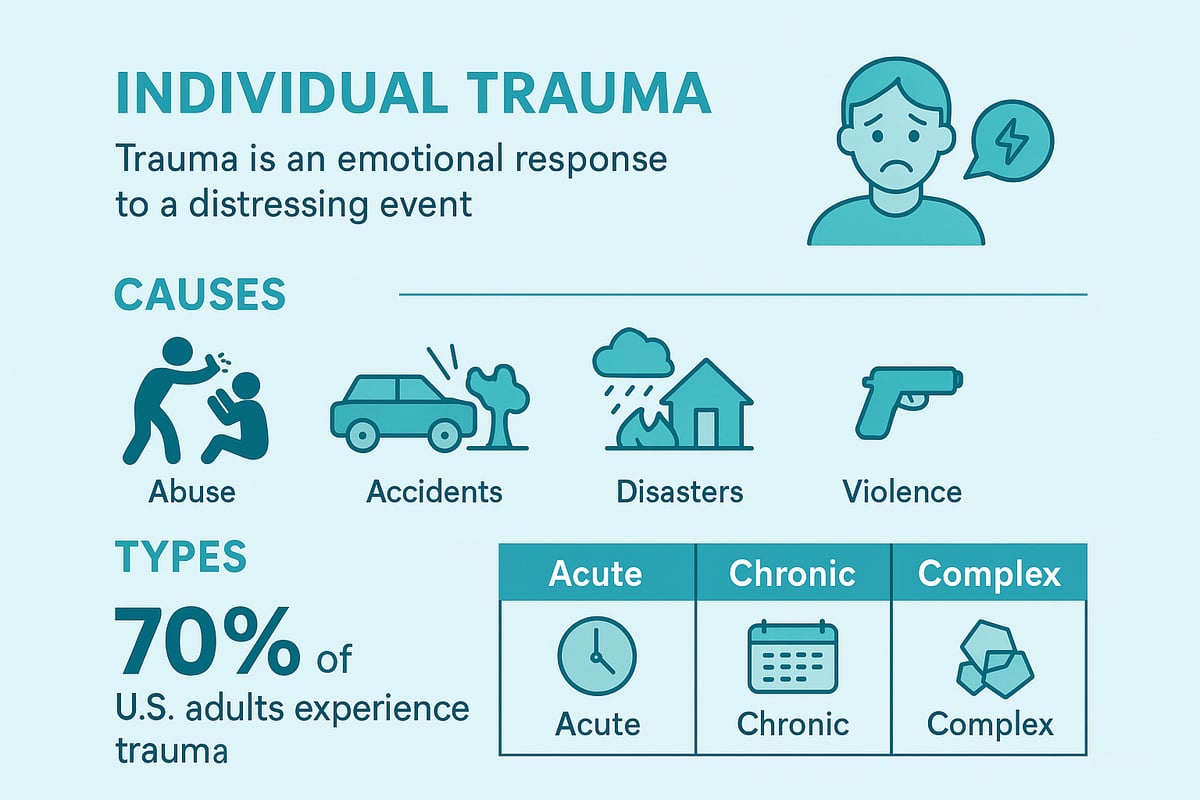
Individual trauma is an emotional and psychological response to deeply distressing experiences that overwhelm a person’s ability to cope. Unlike collective trauma, which affects groups or communities after events like natural disasters, individual trauma is shaped by a person’s unique perspective and circumstances.
Common causes include abuse, accidents, sudden loss, violence, ongoing stress, and disasters. For example, a single car accident may result in acute trauma, while repeated exposure to abuse can lead to chronic trauma. Complex trauma arises from multiple or prolonged adverse events, often in childhood.
| Trauma Type | Description | Example |
|---|---|---|
| Acute | Single, short-term event | Car accident |
| Chronic | Repeated, prolonged exposure | Ongoing domestic abuse |
| Complex | Multiple, varied traumatic experiences | Childhood adversities |
Symptoms of individual trauma can appear as intrusive memories, avoidance, mood changes, hyperarousal, and even physical issues like headaches or fatigue. According to the American Psychiatric Association, up to 70% of U.S. adults will experience a traumatic event at least once.
It is important to recognize that trauma is highly individualized. What deeply affects one person may not impact another in the same way. Today, our understanding of trauma also includes cultural, racial, and identity-based experiences. For a deeper overview, visit the Trauma and PTSD overview.
How Trauma Manifests: Recognizing the Signs
Understanding how individual trauma presents is essential for early recognition and support. Individual trauma can touch every aspect of a person's experience, often surfacing in subtle and diverse ways.
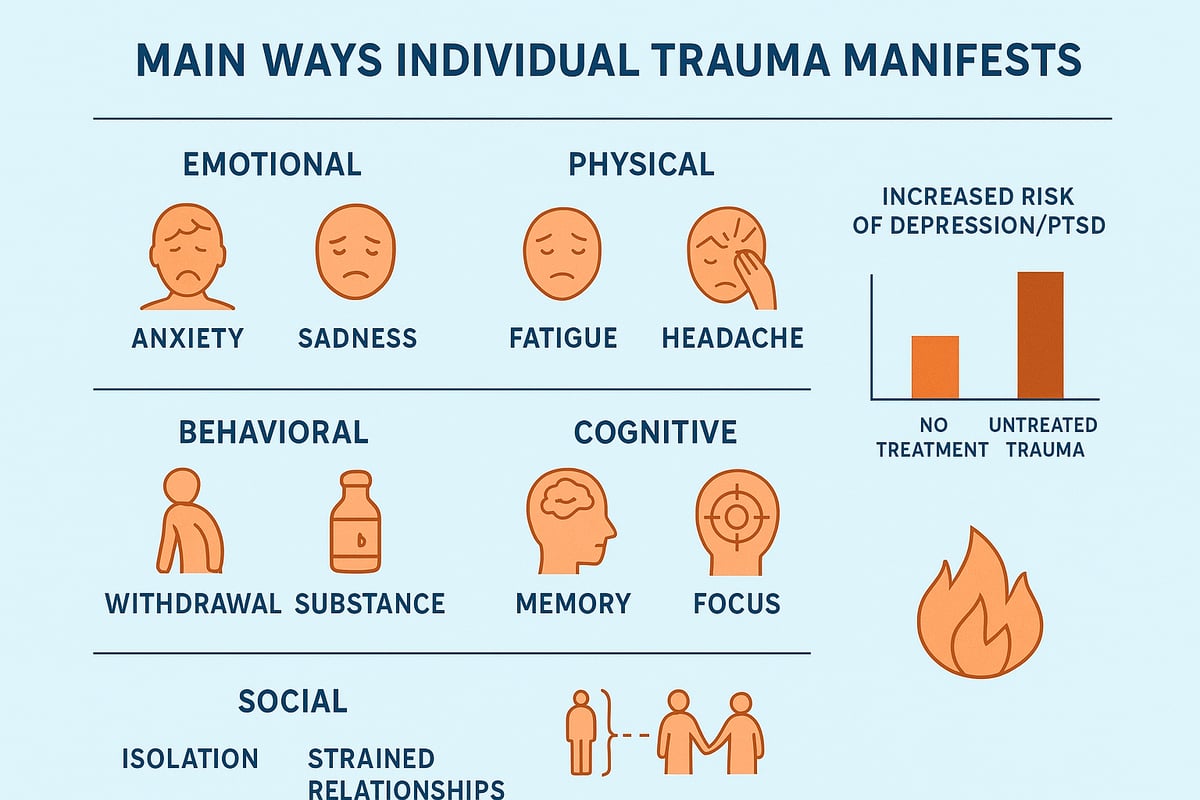
Common emotional symptoms include:
- Anxiety or persistent fear
- Guilt, shame, or anger
- Emotional numbness or detachment
Physical symptoms may appear as:
- Chronic fatigue or sleep disturbances
- Frequent headaches or digestive issues
- Unexplained aches and chronic pain
Behavioral changes are also typical signs of individual trauma:
- Withdrawal from social circles
- Increased substance use or risk-taking behaviors
- Struggles with trusting others
Cognitive impacts might involve:
- Memory lapses or trouble focusing
- Negative or intrusive thoughts
Socially, individual trauma often leads to strained relationships and isolation. Many find it challenging to maintain connections at work or school. For example, following the California fires, survivors described ongoing panic and hypervigilance, illustrating how trauma lingers well beyond the event.
Research indicates that people living with untreated trauma face higher risks of depression, PTSD, and substance abuse. According to the Trauma and Violence Overview, these responses are not personal shortcomings but adaptive survival mechanisms developed in response to overwhelming stress. Recognizing these signs is the first step toward healing.
The Science of Trauma: Understanding Its Impact on the Brain and Body
Individual trauma leaves a profound imprint on both the brain and the body. When a person experiences trauma, the nervous system activates survival responses: fight, flight, or freeze. These instinctive reactions help protect us during immediate danger.
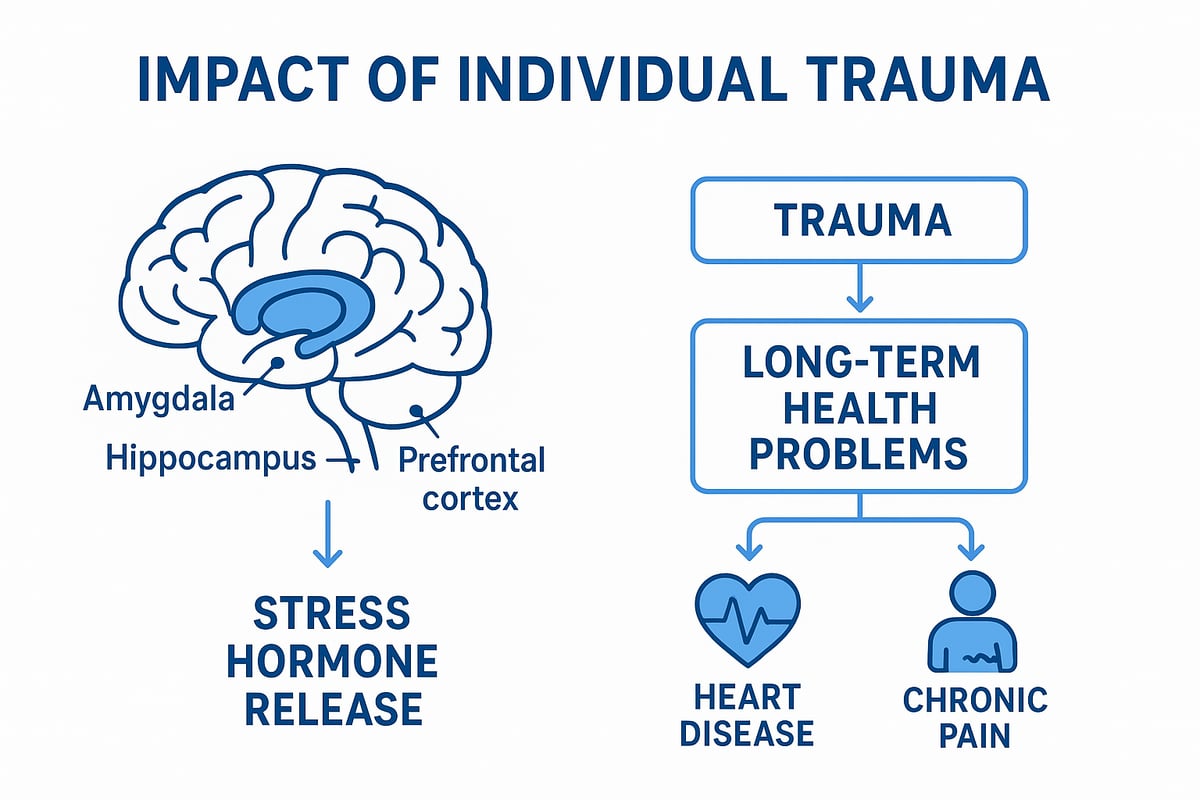
Over time, repeated exposure to individual trauma can physically change the brain. The amygdala, the area responsible for detecting threats, becomes overactive, leading to heightened fear and anxiety. The hippocampus, which manages memory, may shrink, disrupting the ability to process new information and recall past events. Impairment in the prefrontal cortex, the region that governs reasoning and self-control, can make emotional regulation more challenging.
Stress hormones like cortisol and adrenaline surge during traumatic experiences. If trauma is chronic, these chemicals remain elevated, increasing the risk of long-term health problems such as heart disease, autoimmune disorders, and chronic pain.
Complex PTSD is now recognized as a response to ongoing, repeated individual trauma. Research shows trauma is stored not just emotionally, but physically as well. Addressing both aspects is key to recovery, and tools like the Trauma recovery starter kit can guide individuals through this process.
Understanding the science behind individual trauma reduces stigma and encourages people to seek help. Survivors of discrimination or domestic violence often experience layered mental and physical symptoms, showing the importance of a holistic healing approach.
| Effect of Trauma | Brain/Body Impact | Long-Term Consequence |
|---|---|---|
| Amygdala hyperactivity | Heightened fear, anxiety | PTSD, anxiety disorders |
| Hippocampal shrinkage | Memory and learning issues | Difficulty with daily tasks |
| Prefrontal impairment | Trouble with self-control and reasoning | Emotional dysregulation |
| High stress hormones | Immune and cardiovascular strain | Chronic illness, pain |
Trauma changes us on many levels, but understanding these changes is the first step toward meaningful healing.
Steps to Healing Individual Trauma in 2026
Healing from individual trauma is a journey that unfolds in stages. Each step builds on the last, guiding you toward greater resilience and well-being.
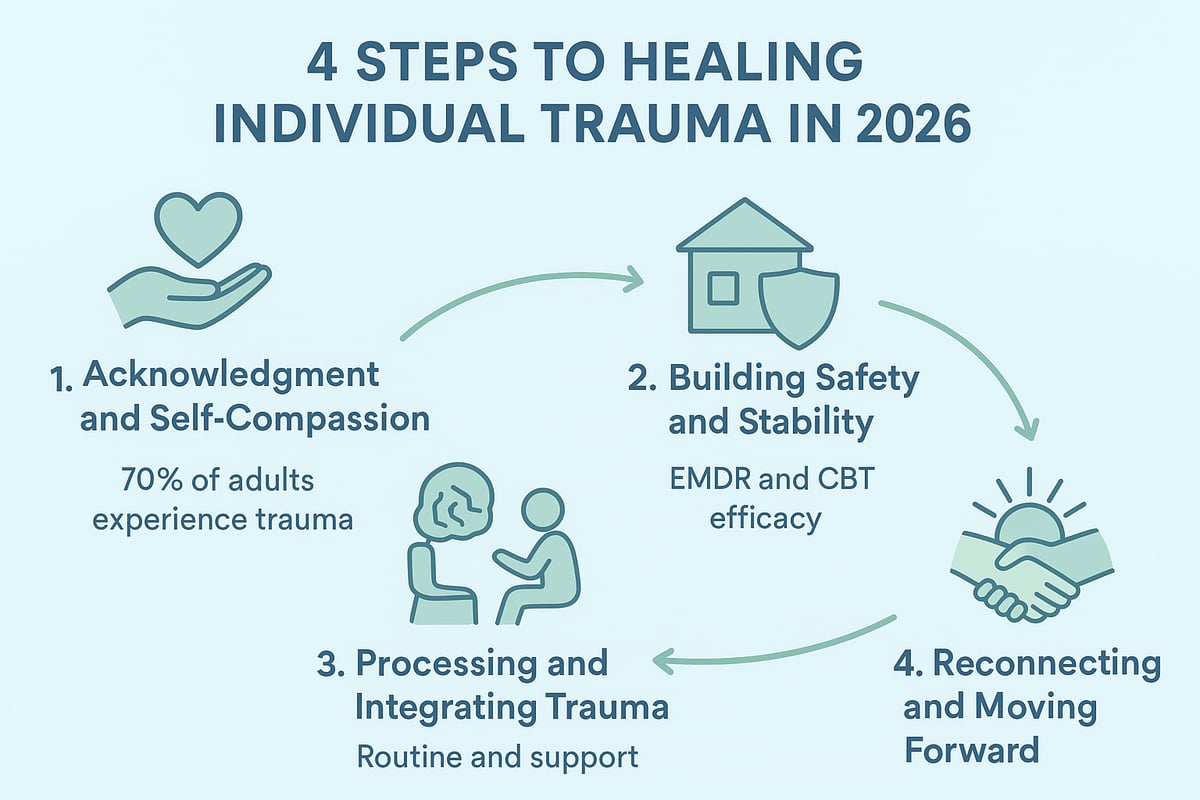
Step 1: Acknowledgment and Self-Compassion
The first step in healing individual trauma is recognizing your experience and giving yourself permission to feel. Many people struggle with denial or minimize their pain, which can delay recovery.
Practicing self-compassion means treating yourself with the same kindness you would offer a friend. Remember, trauma responses are common and not a sign of weakness.
For example, survivors often blame themselves for what happened. However, research confirms that external circumstances, not personal failings, are the root cause. Naming and accepting your trauma is the gateway to healing, reducing shame and opening the door for growth.
Step 2: Building Safety and Stability
Creating safety is essential for recovery. Establish predictable routines to help calm your nervous system and regain a sense of control.
Seek out supportive relationships, whether with friends, family, or community groups. Social support has a proven impact on recovery rates after traumatic events.
Try grounding techniques such as deep breathing or mindfulness exercises. After disasters, communities that coordinate support, like fire watch schedules, often report lower PTSD rates. Stability and connection are the foundation for further healing.
Step 3: Processing and Integrating the Trauma
Once stability is established, processing memories and emotions becomes possible. Evidence-based therapies like Cognitive Behavioral Therapy (CBT), Somatic Experiencing, and EMDR therapy for trauma are highly effective for individual trauma.
Expressive outlets such as journaling, art, or movement can help release feelings that are hard to verbalize. Gradually exploring traumatic memories in a safe, therapeutic setting supports integration.
Healing is rarely linear; setbacks are normal. Clinical trials consistently show that EMDR and trauma-focused CBT lead to significant improvements for many individuals.
Step 4: Reconnecting and Moving Forward
The final step is rebuilding relationships and finding meaning beyond the trauma. Reconnect with others by joining support groups or engaging in community activities.
Set personal goals for your future and invest in self-care routines like healthy eating, sleep, and hobbies. Many people discover new strengths and a renewed sense of purpose during recovery from individual trauma.
With the right support, post-traumatic growth is achievable. Each step forward is a testament to your resilience and commitment to healing.
Modern Approaches and Resources for Trauma Recovery
Modern approaches for healing individual trauma focus on flexibility, inclusivity, and empowerment. Trauma-informed care recognizes the unique needs of each person, while culturally responsive therapy ensures interventions respect diverse backgrounds and identities. Holistic methods blend physical, emotional, and social healing, helping individuals address the many ways trauma impacts life.
Professional support remains crucial. Psychotherapists, counselors, and trauma specialists use evidence-based therapies tailored to individual trauma experiences. Those interested in one-on-one guidance can explore individual therapy services for a personalized healing plan. Individualized treatment is essential since no single method works for everyone.
Digital and virtual therapy options have expanded in 2026, making support more accessible. Teletherapy and online support groups now reach rural and marginalized communities, with usage up over 50% since the pandemic. Community resources, including crisis lines, local organizations, and online forums, also play a vital role in recovery.
Trauma-informed clinics may offer innovative interventions such as EMDR, DBT, and Mindfulness-Oriented Recovery Enhancement, which combines mindfulness, reappraisal, and savoring skills for trauma recovery. Combining professional help with self-guided resources leads to better outcomes for those healing from individual trauma.
When and How to Seek Professional Help
Recognizing when to seek professional help is a vital step in recovering from individual trauma. If you experience ongoing distress, intrusive memories, or find daily tasks overwhelming, it may be time to reach out. Other warning signs include persistent sadness, feelings of hopelessness, or thoughts of self-harm.
Key indicators you may need support:
- Difficulty functioning at work, school, or home
- Withdrawal from relationships or social activities
- Increased substance use or risky behaviors
- Thoughts of suicide or self-harm
Finding a trauma-informed therapist is crucial. Look for professionals with experience treating individual trauma, relevant credentials, and a therapeutic approach that fits your needs. During therapy, expect an initial assessment, collaborative goal setting, and a focus on confidentiality and safety.
Financial barriers should not prevent you from seeking help. Many clinics offer sliding scale fees, insurance coverage, or low-cost programs, especially after community crises. For instance, local clinics often provide affordable trauma counseling after disasters.
Early intervention is critical. Studies indicate that prompt support can reduce the risk of developing chronic PTSD by up to 60 percent. For more on recovery patterns and when to seek care, see PTSD Prevalence and Trajectories.
Seeking help is a sign of resilience. No matter your trauma history, healing is possible with the right resources and support.
As you’ve explored in this guide, healing from individual trauma isn’t a linear journey—it’s about finding the right support, tools, and understanding for your unique experience. Whether you’re taking your first steps toward recovery or seeking new ways to grow, connecting with a compassionate professional can make all the difference. At Théla Psychotherapy Clinic, you’ll find trauma-informed care tailored to you, offered both in-person and online across Ontario. If you’re ready to move forward and explore what healing could look like for you, Let's Connect! Book a Call.

Bonny Li
Contact Me
.jpg)