Living with borderline personality disorder can feel like you're on an emotional rollercoaster that never stops. One moment everything seems fine, and the next, you're overwhelmed by feelings you can't quite control. If you or someone you care about is dealing with bpd, you're not alone, and more importantly, effective help is available. Let's break down what this condition really means and how modern therapeutic approaches are making a real difference in people's lives.
What Is Borderline Personality Disorder?
Borderline personality disorder is a mental health condition that affects how you think about yourself and relate to others. It's characterized by intense emotional responses, unstable relationships, and difficulty managing impulses. According to the National Institute of Mental Health, bpd affects how you perceive yourself and others, leading to problems functioning in everyday life.
People with this condition often experience what feels like emotional whiplash. Their moods can shift rapidly, sometimes within hours or even minutes. They might feel deeply connected to someone one day and completely detached the next.
The Core Symptoms You Should Know
The Association for Behavioral and Cognitive Therapies identifies several key patterns that define bpd. Let's look at the most common ones:
- Intense fear of abandonment that leads to frantic efforts to avoid being left alone
- Unstable relationships that alternate between idealizing people and devaluing them
- Uncertain self-image or sense of identity that shifts frequently
- Impulsive behaviors in areas like spending, sex, substance use, or reckless driving
- Recurrent suicidal thoughts or self-harming behaviors
- Emotional instability with intense episodes of sadness, anxiety, or irritability
- Chronic feelings of emptiness that persist even when things are going well
- Intense anger or difficulty controlling temper
- Paranoid thoughts or dissociative symptoms during stressful situations
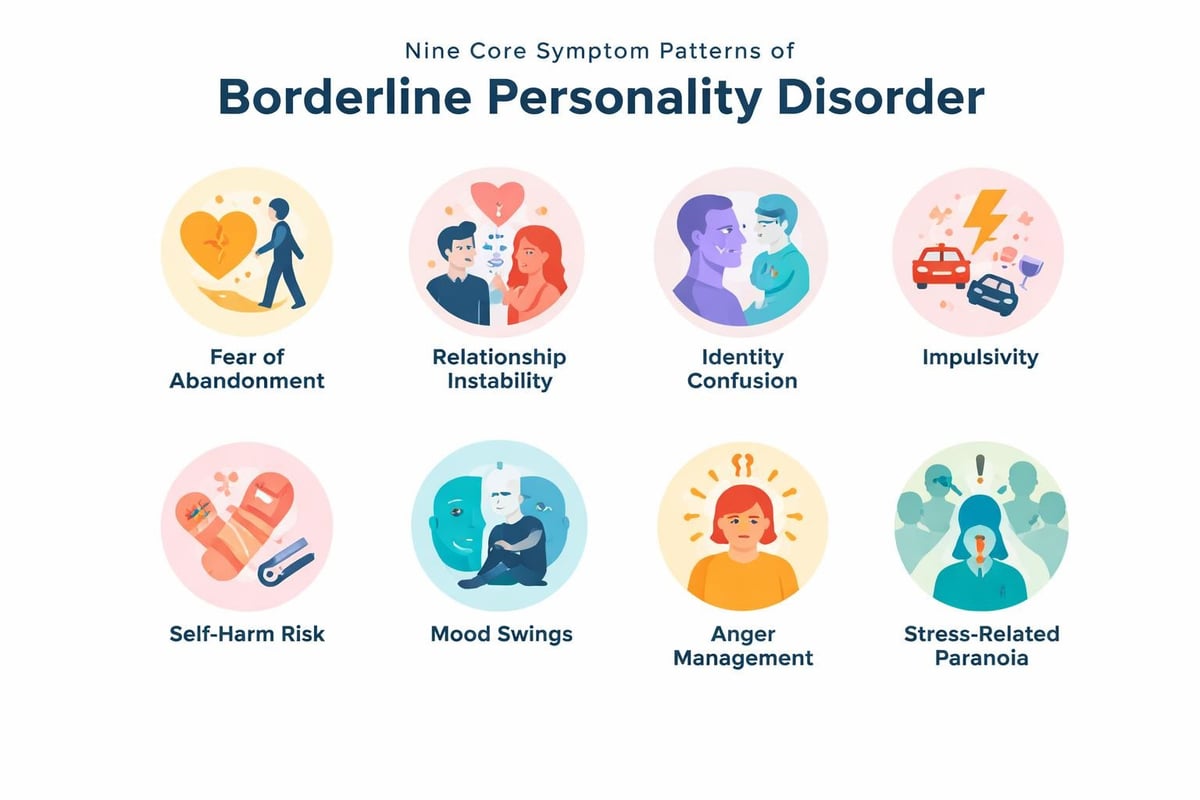
Not everyone with bpd experiences all these symptoms, and the intensity varies from person to person. That's why getting a proper assessment from a mental health professional is so important for understanding your unique situation.
What Causes BPD?
There's no single cause of borderline personality disorder. Research shows it develops from a combination of factors that interact in complex ways.
Genetic factors play a role. If you have a close family member with bpd or other mental health conditions, you're at higher risk. But genetics aren't destiny.
Early life experiences matter significantly. Research shows that trauma history, attachment patterns, and early relationships influence how bpd develops. Many people with this condition experienced childhood trauma, neglect, or unstable caregiving environments.
Brain structure and function also contribute. Studies suggest that areas of the brain involved in emotion regulation and impulse control may function differently in people with bpd.
| Factor Type | Examples | Impact Level |
|---|---|---|
| Genetic | Family history of mental health conditions | Moderate |
| Environmental | Childhood trauma, neglect, abuse | High |
| Neurobiological | Brain structure differences, neurotransmitter imbalances | Moderate |
| Social | Unstable relationships, invalidating environments | High |
Understanding these causes isn't about assigning blame. It's about recognizing that bpd is a legitimate mental health condition that deserves compassionate, evidence-based treatment.
Evidence-Based Treatment Options
Here's the good news: bpd is highly treatable. With the right therapeutic approach, people see significant improvements in their symptoms and quality of life.
Dialectical Behavior Therapy (DBT)
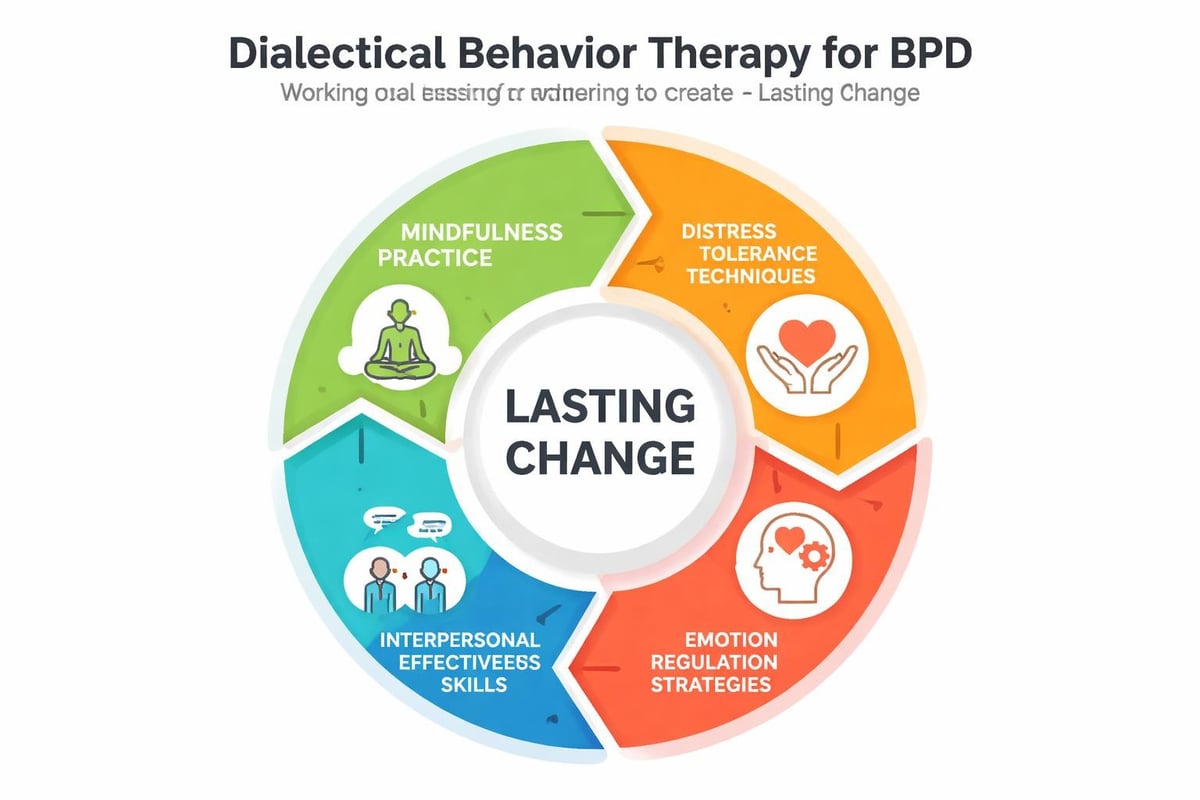
DBT is specifically designed for bpd and is considered the gold standard treatment. At Théla Psychotherapy Clinic, therapists use this approach to help clients develop four key skill sets:
- Mindfulness for staying present and aware
- Distress tolerance for managing crisis situations without making things worse
- Emotion regulation for identifying and managing intense feelings
- Interpersonal effectiveness for maintaining relationships while respecting yourself
Cognitive Behavioral Therapy (CBT)
CBT helps you identify and change thought patterns that contribute to emotional distress. It's particularly useful for managing the negative self-image and black-and-white thinking that often accompany bpd.
Trauma-Informed Approaches
Since many people with borderline personality disorder have trauma histories, trauma-focused therapy addresses the underlying wounds that fuel current struggles. Approaches like EMDR can be especially helpful for processing traumatic memories.
Living Well with BPD
Recovery isn't about becoming a different person. It's about developing the tools to manage your symptoms and build the life you want. Many people with bpd go on to have fulfilling relationships, successful careers, and meaningful lives.
Building Your Support System
Treatment works best when you have support. This might include:
- Regular therapy sessions with a trained professional
- Support groups with others who understand your experience
- Trusted friends or family members who learn about bpd
- Crisis resources you can access when needed
The team at Théla understands that everyone's journey is different. That's why they offer personalized treatment plans that adapt to your unique needs and circumstances.
Self-Care Strategies That Actually Help
Between therapy sessions, these practices can make a real difference:
- Stick to a routine that includes regular sleep, meals, and activities
- Practice your skills daily, not just during crisis moments
- Connect with others even when isolation feels easier
- Move your body in ways that feel good to you
- Limit substances that can intensify emotional instability
What to Expect from Treatment
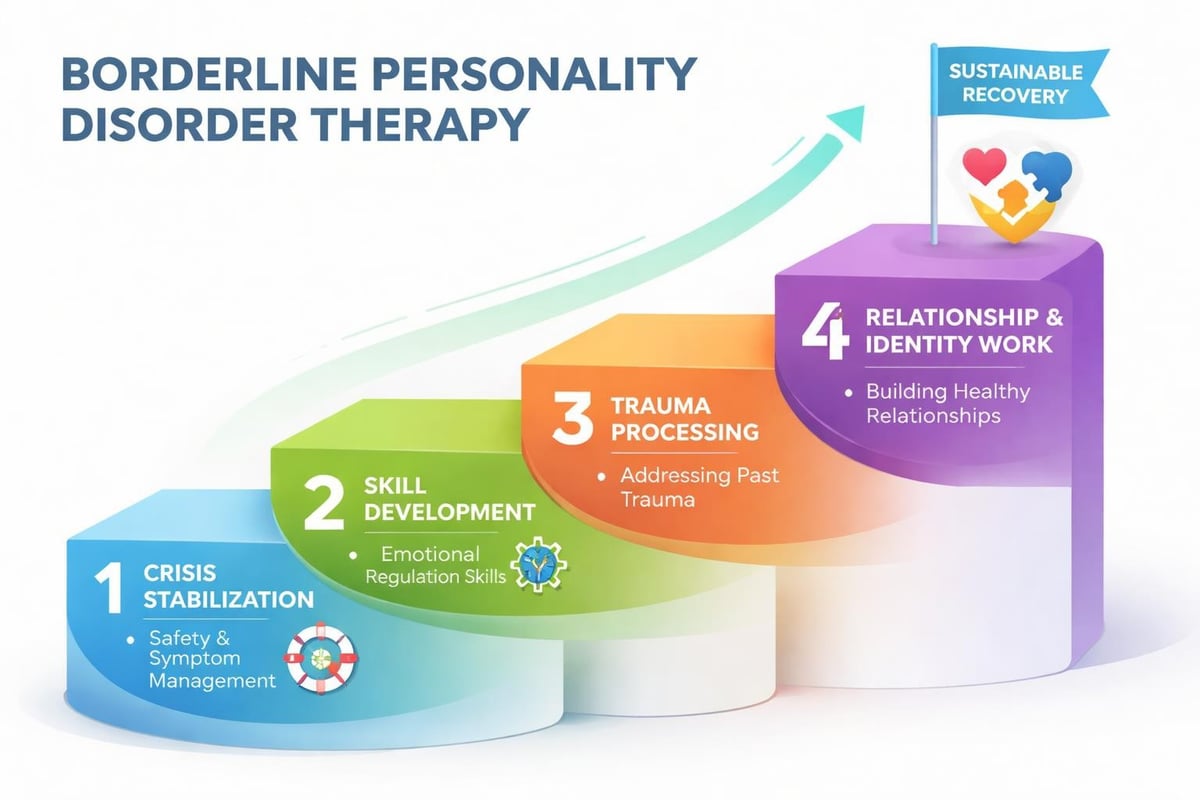
Starting therapy for bpd requires commitment, but the results are worth it. Most people begin seeing improvements within a few months, though deeper healing takes longer.
| Treatment Phase | Timeline | What Happens |
|---|---|---|
| Early Stage | 1-3 months | Building therapeutic relationship, learning crisis management skills |
| Middle Stage | 3-12 months | Developing emotional regulation, addressing relationship patterns |
| Advanced Stage | 12+ months | Processing trauma, building identity, maintaining progress |
Your therapist will help you set realistic goals and track your progress. Some weeks will feel harder than others, and that's completely normal.
Finding the Right Therapist
Not all therapists have specialized training in treating bpd. Look for professionals who:
- Have specific experience with borderline personality disorder
- Use evidence-based approaches like DBT, CBT, or trauma-focused therapy
- Create a non-judgmental, validating therapeutic environment
- Understand the importance of culturally responsive care
At Théla Psychotherapy Clinic, the therapists receive ongoing training in the latest evidence-based treatments for bpd, ensuring you get the most effective care available.
Moving Forward with Hope
Understanding bpd is the first step toward healing. This condition doesn't define you, and with proper support, you can develop healthier ways of relating to yourself and others. The intense emotions you feel are real and valid, and learning to manage them is a skill you can develop with practice and guidance.
Whether you're just starting to recognize these patterns in yourself or you've been struggling for years, reaching out for help is a sign of strength, not weakness. Many people with borderline personality disorder have found their way to stability, satisfying relationships, and genuine hope for the future.
Remember that recovery isn't linear. You'll have good days and challenging ones. What matters is that you keep moving forward, using the tools you learn in therapy and leaning on your support system when things get tough.
Living with borderline personality disorder presents real challenges, but with the right support and evidence-based treatment, meaningful change is absolutely possible. If you're in Ontario and looking for compassionate, specialized care, Théla Psychotherapy Clinic offers trauma-informed treatment using approaches like DBT, CBT, and EMDR, both in-person in Markham and online throughout the province. You don't have to navigate this journey alone.

Bonny Li
Contact Me
.jpg)