When your heart's racing, your chest feels tight, and the world seems to be spinning out of control, you're probably experiencing an anxiety attack. It's terrifying, overwhelming, and can make you feel completely helpless. But here's the good news: there are proven ways to calm anxiety attack symptoms that actually work. Whether you're dealing with occasional panic episodes or frequent anxiety attacks, understanding these techniques can make all the difference between feeling powerless and taking back control of your mental health.
Understanding What's Happening During an Anxiety Attack
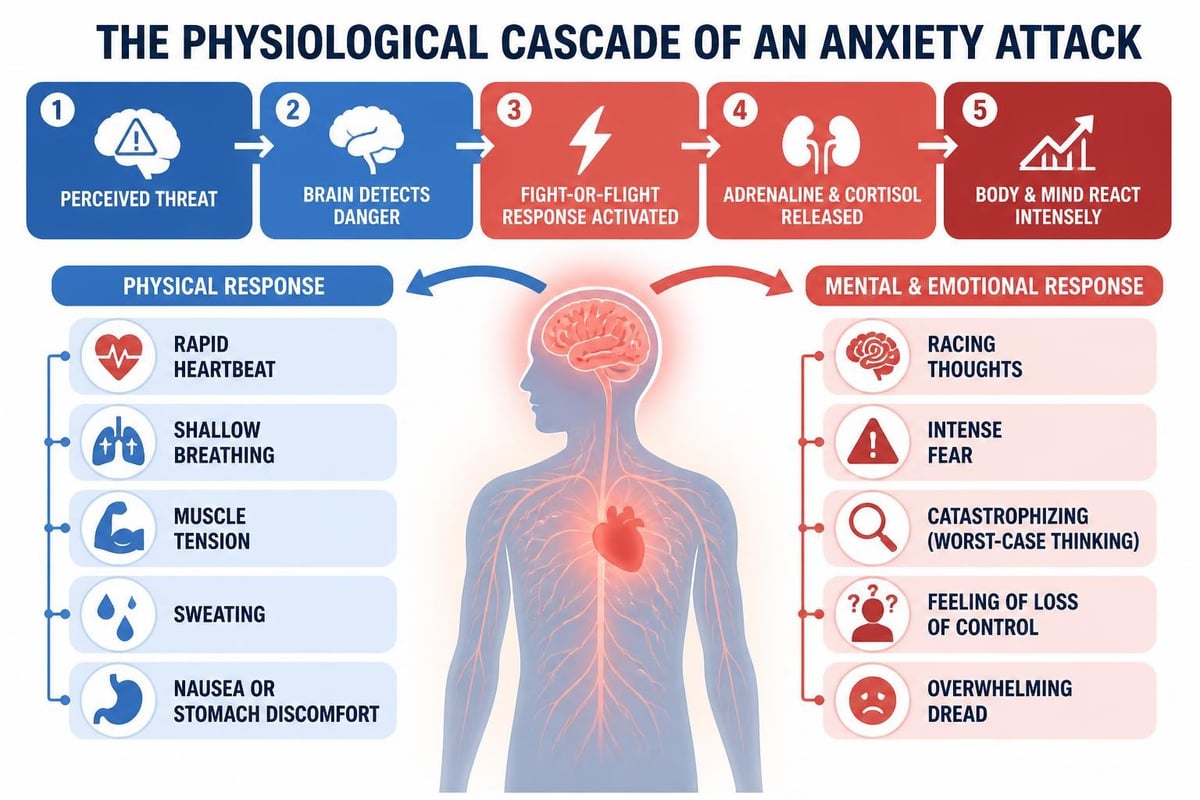
Before we dive into the solutions, let's talk about what's actually going on in your body. An anxiety attack triggers your fight-or-flight response, flooding your system with stress hormones like adrenaline and cortisol. Your heart races, your breathing becomes shallow, and your mind starts spiraling.
Common physical symptoms include:
- Rapid heartbeat or chest pain
- Shortness of breath or hyperventilation
- Sweating or trembling
- Dizziness or lightheadedness
- Nausea or stomach distress
The mental experience can be just as intense, with racing thoughts, fear of losing control, and an overwhelming sense of dread. Recognizing these symptoms for what they are is the first step in managing them effectively.
Immediate Grounding Techniques That Work
When an anxiety attack hits, grounding yourself in the present moment is crucial. One of the most effective ways to calm anxiety attack symptoms is the 5-4-3-2-1 technique. Here's how it works:
- Name 5 things you can see around you right now
- Touch 4 different textures (your shirt, a table, your hair, a wall)
- Identify 3 sounds you can hear in your environment
- Notice 2 scents or think of your two favorite smells
- Name 1 thing you can taste or one thing you're grateful for
This sensory exercise pulls your mind away from panic and anchors you firmly in reality. It's simple enough to remember even when you're overwhelmed, which makes it incredibly practical during a crisis.
Another powerful grounding method involves active noticing techniques that help reset your nervous system. Simply observing your surroundings without judgment can interrupt the anxiety cycle and bring your attention back to what's actually happening versus what your mind fears might happen.
Breathing Exercises to Reset Your Nervous System
Your breath is one of the most powerful tools you have during an anxiety attack. When you're panicking, you tend to take short, shallow breaths that actually make things worse by reducing oxygen to your brain.
The 4-7-8 Breathing Method
This technique is remarkably effective for calming your nervous system:
| Step | Action | Duration |
|---|---|---|
| 1 | Inhale through your nose | 4 seconds |
| 2 | Hold your breath | 7 seconds |
| 3 | Exhale slowly through your mouth | 8 seconds |
| 4 | Repeat | 3-4 cycles |
The deep breathing exercises recommended by healthcare professionals work because they activate your parasympathetic nervous system, which counteracts the fight-or-flight response. You're literally telling your body it's safe to relax.
Box breathing is another method that's especially helpful if the 4-7-8 timing feels uncomfortable. Just breathe in for four counts, hold for four, exhale for four, and pause for four before repeating.
Progressive Muscle Relaxation for Physical Tension
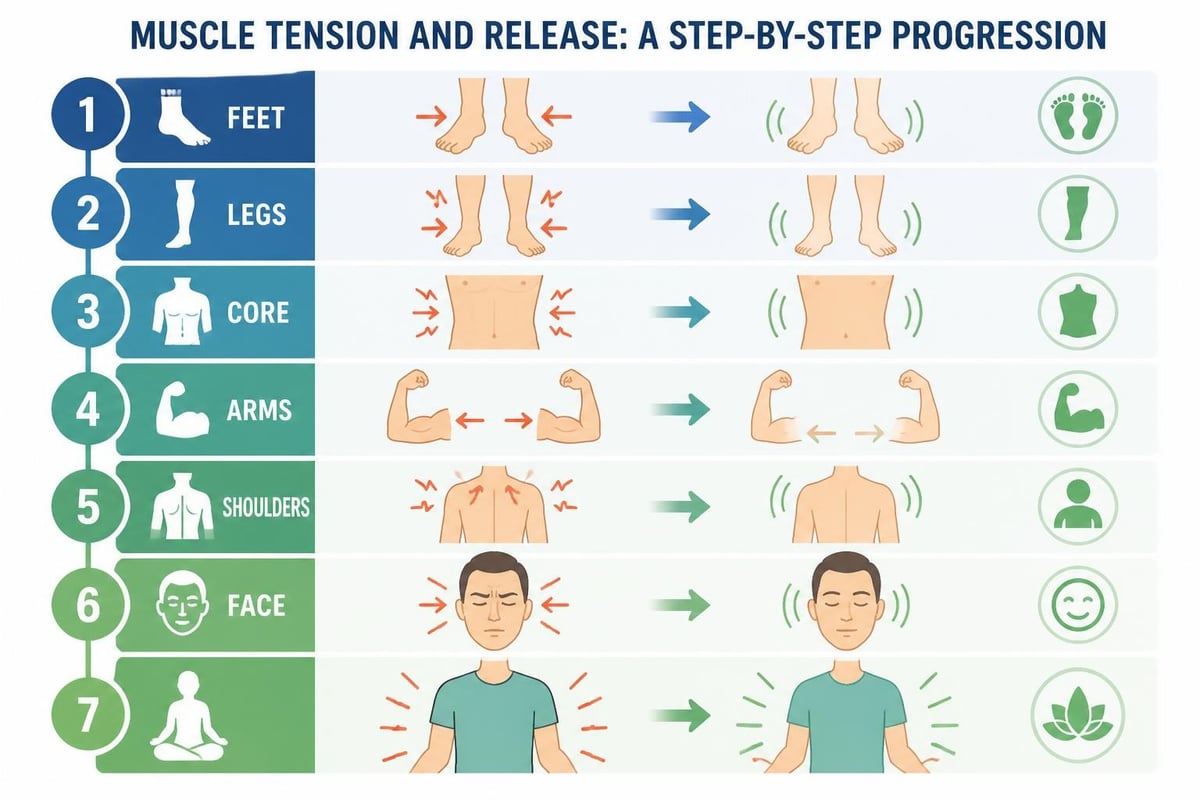
Anxiety doesn't just affect your mind; it creates real physical tension throughout your body. Progressive muscle relaxation is one of the most underrated ways to calm anxiety attack symptoms because it addresses this body-mind connection directly.
Start at your toes and work your way up. Tense each muscle group for five seconds, then release completely. Focus on the difference between tension and relaxation. This practice not only reduces physical discomfort but also gives your racing mind something specific to focus on.
At Théla Psychotherapy Clinic, therapists often teach clients this technique during sessions because it's something you can practice daily to reduce overall anxiety levels, not just during attacks.
Cognitive Techniques to Challenge Anxious Thoughts
Your thoughts during an anxiety attack are often catastrophic and irrational, but they feel absolutely real in the moment. Learning to challenge these thoughts is essential for long-term management.
Ask yourself these questions:
- What evidence do I have that this feared outcome will actually happen?
- Have I survived this feeling before?
- What would I tell a friend experiencing this same thought?
- Is this thought based on facts or feelings?
Challenging anxious thoughts through cognitive restructuring is a core component of CBT therapy. It's not about positive thinking or pretending everything's fine; it's about examining the actual likelihood of your fears versus what anxiety is telling you.
Many people find it helpful to have a prepared script of rational thoughts to reference during an attack, as suggested by panic attack management experts. Write these down when you're calm so you can access them when you need them most.
Physical Movement and Environmental Changes
Sometimes the best ways to calm anxiety attack symptoms involve changing your physical state or environment. Movement interrupts the anxiety cycle and helps burn off excess adrenaline coursing through your system.
Quick Physical Interventions
- Go for a brisk walk outside if possible
- Splash cold water on your face
- Do jumping jacks or shake out your limbs
- Change rooms or step outside for fresh air
- Listen to calming music or nature sounds
The cold water trick is particularly effective because it triggers the mammalian dive reflex, which automatically slows your heart rate. It's a physiological reset button that works even when your mind is too scattered to focus on breathing exercises.
If you're exploring therapeutic approaches for anxiety management, remember that what works varies from person to person. Some people respond better to physical interventions, while others need cognitive techniques first.
Lifestyle Practices That Reduce Anxiety Attack Frequency
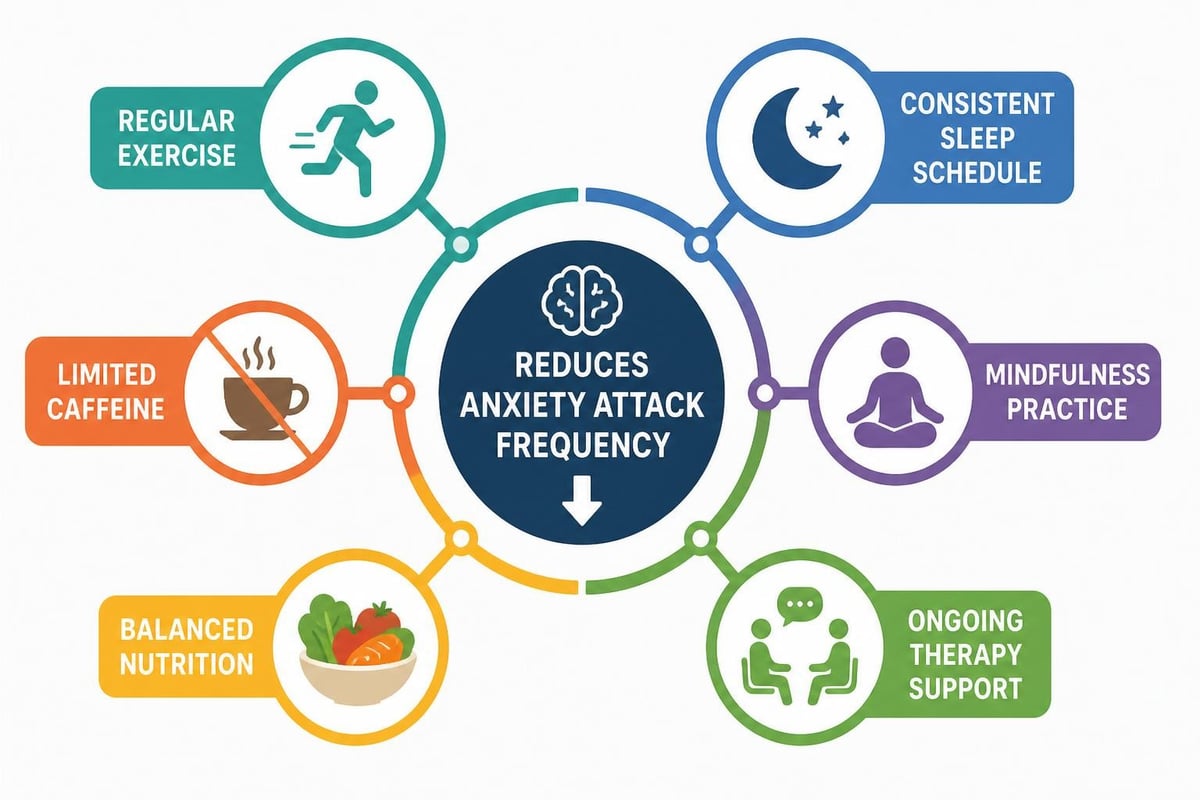
While immediate techniques are crucial during an attack, building a foundation of anxiety-reducing habits can decrease how often attacks occur in the first place.
| Practice | Benefit | Recommended Frequency |
|---|---|---|
| Regular exercise | Reduces stress hormones | 30 min, 4-5x/week |
| Meditation | Calms nervous system | 10-15 min daily |
| Sleep hygiene | Regulates mood | 7-9 hours nightly |
| Limiting caffeine | Reduces physical anxiety symptoms | Ongoing |
| Therapy sessions | Addresses root causes | Weekly or biweekly |
Reducing caffeine intake might seem trivial, but for many people, it's a game-changer. Caffeine mimics anxiety symptoms, and if you're already prone to attacks, that morning coffee could be tipping the scales.
When to Seek Professional Support
Learning ways to calm anxiety attack symptoms is important, but if you're experiencing frequent attacks or they're significantly impacting your quality of life, professional help isn't just recommended; it's essential.
Therapy modalities like CBT, DBT, and EMDR have proven effectiveness for anxiety disorders. DBT therapy specifically teaches distress tolerance skills that are incredibly valuable during panic episodes, while EMDR can help process traumatic experiences that might be triggering your anxiety.
Signs you should reach out to a therapist:
- Anxiety attacks are happening more frequently
- You're avoiding activities or places due to fear of attacks
- You're developing new phobias or safety behaviors
- Sleep or daily functioning is significantly impaired
- You're using alcohol or substances to cope
The comprehensive services available through evidence-based therapy can provide both immediate coping strategies and long-term healing. Remember, seeking help isn't a sign of weakness; it's a sign you're taking your mental health seriously.
Building Your Personal Anxiety Toolkit
Everyone's anxiety is different, which means your toolkit of coping strategies will be unique to you. Start by trying different techniques from this list and notice which ones feel most natural and effective for your specific symptoms.
Keep a small notebook or note on your phone with your top three go-to strategies. During an anxiety attack, decision-making becomes nearly impossible, so having a clear action plan removes that barrier. You might include breathing instructions, grounding exercises, or even reassuring phrases that work for you.
It's also worth noting that what not to say when someone is anxious matters just as much as what to do. If you're supporting someone else through an anxiety attack, avoid minimizing their experience or telling them to "just relax." Instead, offer calm presence and ask what they need.
Creating Safety Plans for Future Attacks
Once you've identified the ways to calm anxiety attack symptoms that work best for you, formalize them into a safety plan. This isn't being pessimistic; it's being prepared and taking control of your mental health journey.
Your safety plan might include emergency contacts (including your therapist's number), a list of grounding techniques, safe spaces you can access, and reminders of previous attacks you've survived. Some people even create a "calm down kit" with items like stress balls, calming scents, photos of loved ones, or comforting objects.
Understanding common areas of concern that therapy addresses can also help you recognize if your anxiety is part of a larger pattern that needs professional attention. Anxiety rarely exists in isolation and often connects to other mental health considerations that benefit from comprehensive treatment.
Managing anxiety attacks isn't about eliminating anxiety entirely; it's about developing effective tools to ride the wave when it comes. These proven ways to calm anxiety attack symptoms can help you regain control in those terrifying moments, but remember that ongoing support makes the biggest difference in long-term mental health. If you're in Ontario and looking for trauma-informed, evidence-based care that truly understands what you're going through, Théla Psychotherapy Clinic offers personalized therapy both in-person and online to help you build lasting resilience and find the peace you deserve.

Bonny Li
Contact Me
.jpg)