Let's be real: when you're struggling with your mental health, the last thing you want to stress about is money. But therapy cost is a legitimate concern for most people considering professional support. Whether you're dealing with anxiety, relationship challenges, or trauma, understanding what you'll pay (and how to afford it) can help you take that important first step toward healing without the financial mystery hanging over your head.
What Actually Influences Therapy Cost
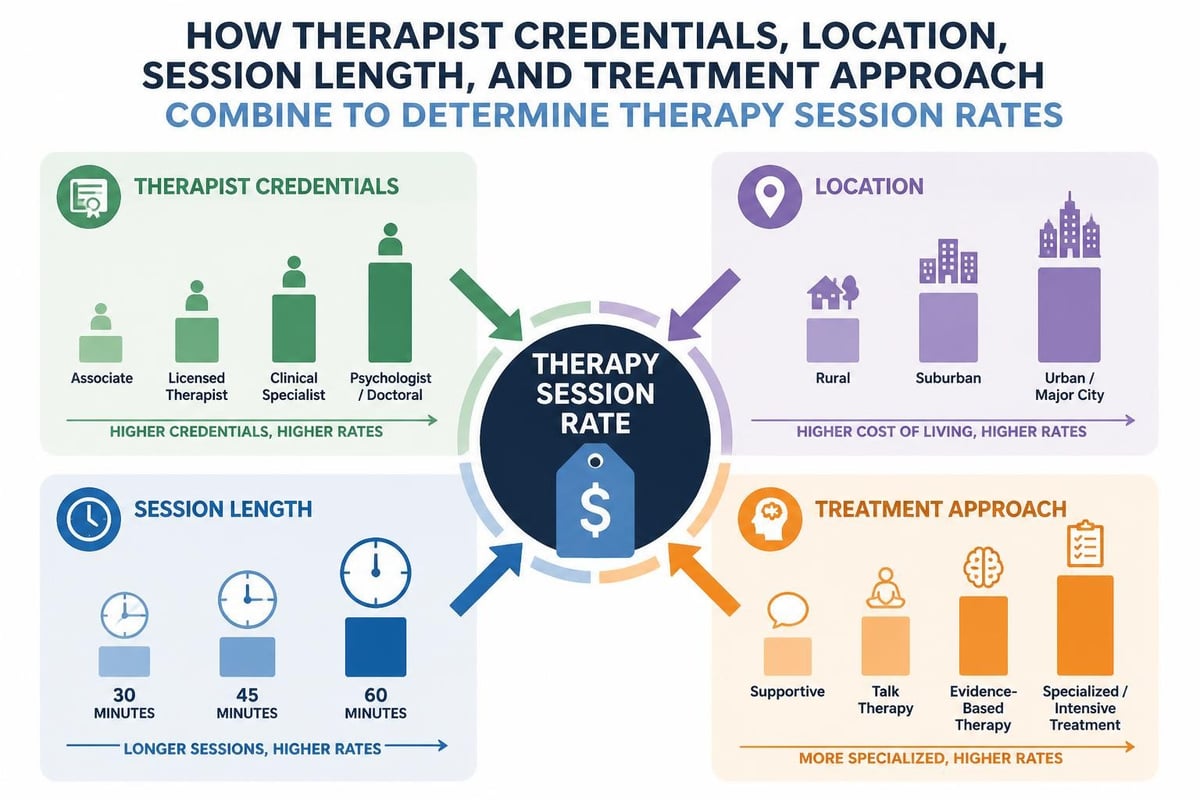
Not all therapy sessions are priced the same, and there's good reason for that. Several factors come into play when determining what you'll pay.
Provider credentials matter. A registered psychotherapist typically charges differently than a psychologist or psychiatrist. Here's the breakdown:
- Registered psychotherapists: $100-$200 per session
- Psychologists: $150-$300 per session
- Psychiatrists: Often covered by OHIP in Ontario
- Social workers and counsellors: $80-$180 per session
Location plays a role too. Urban areas like Toronto or Markham generally have higher rates than smaller communities. Therapy costs vary significantly by region, reflecting local economic conditions and demand.
Session length is another factor. While standard sessions run 50-60 minutes, some specialized approaches like EMDR or intensive couples work might require 90-minute sessions at adjusted rates.
The In-Person vs. Online Debate
Here's something interesting: online therapy often costs slightly less than in-person sessions. Virtual sessions eliminate overhead costs like office space, and those savings sometimes get passed to clients. Clinics offering both options, like Théla's services across Ontario, give you flexibility to choose what works for your budget and comfort level.
But don't assume online is always cheaper. The therapy cost for specialized approaches remains similar whether you're meeting face-to-face or via video call. What you're paying for is the expertise, not just the room.
Making Therapy Affordable: Real Options
You've got more choices than you might think when it comes to managing therapy cost.
Insurance Coverage Breakdown
Many employer health plans include mental health benefits. Check your policy for:
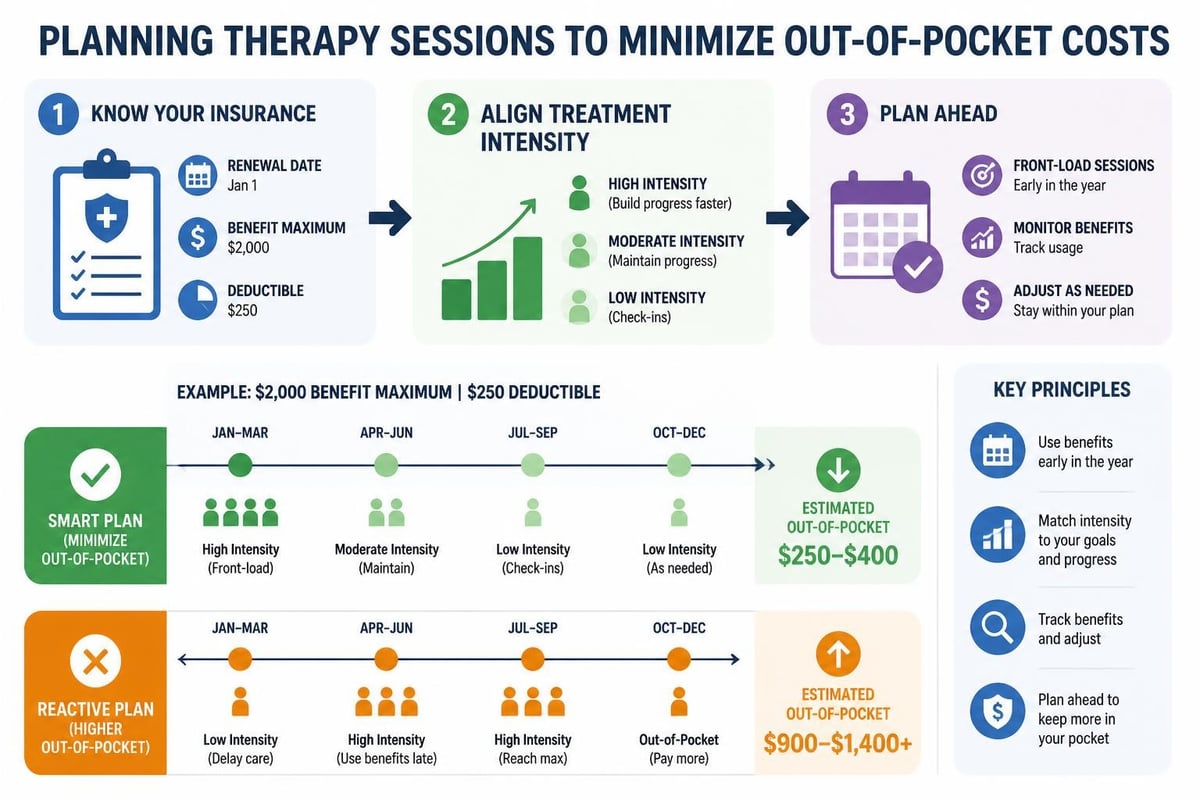
- Annual maximums (often $500-$3,000 per year)
- Covered professionals (some plans only cover specific credentials)
- Reimbursement percentages (typically 50-100%)
Understanding how insurance covers therapy can save you significant money. Some clinics even offer direct billing services so you don't have to pay upfront and wait for reimbursement.
| Payment Method | Upfront Cost | Processing Time | Best For |
|---|---|---|---|
| Direct billing | $0 | Immediate | Covered services |
| Reimbursement | Full session fee | 2-4 weeks | All insurers |
| Out-of-pocket | Full session fee | N/A | Uninsured clients |
Sliding Scale and Affordable Programs
Not everyone has insurance, and that's okay. Progressive clinics recognize this reality. Affordable therapy programs adjust fees based on your actual financial situation, making quality care accessible regardless of income.
Student practitioners and supervised professionals also offer reduced rates. These therapists are fully trained but gaining supervised hours, and their sessions can cost 30-50% less than standard fees while still delivering evidence-based care.
The Hidden Value in Specialized Care
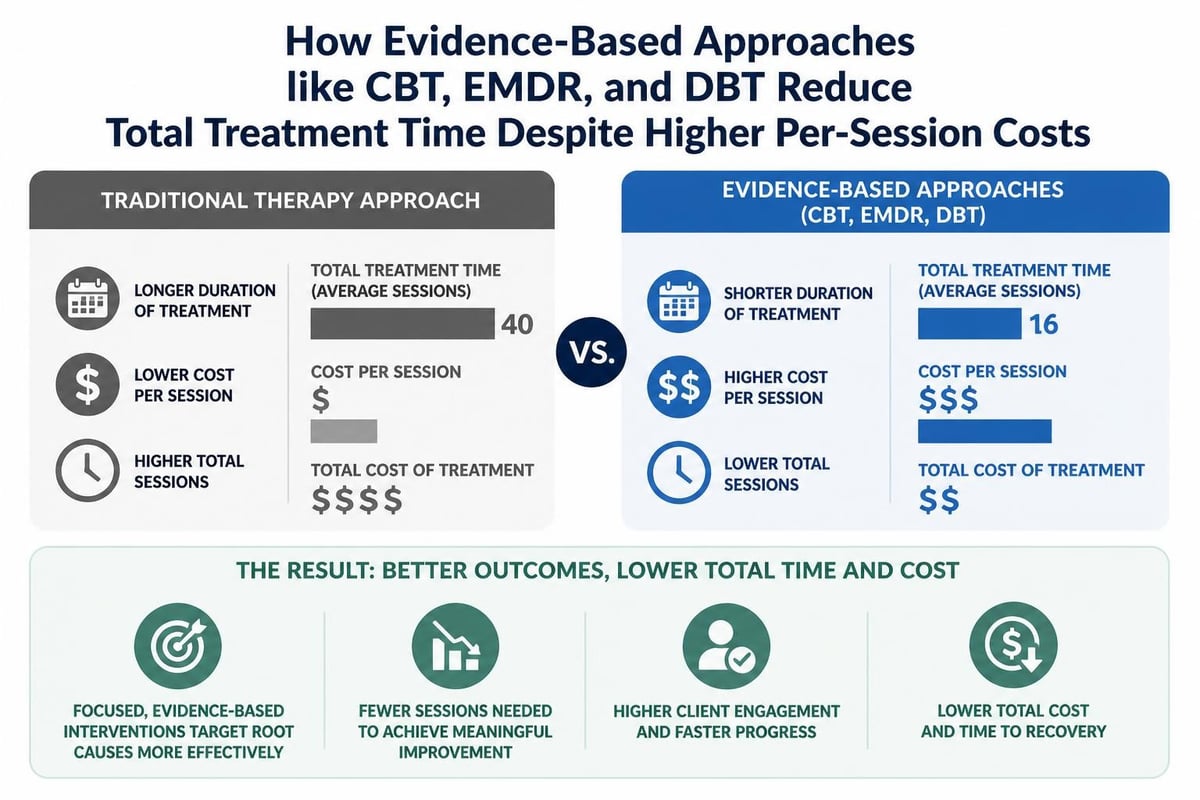
Sometimes paying slightly more upfront saves money long-term. Specialized approaches like CBT, DBT, or EMDR often work faster than generic talk therapy. According to recent therapy cost analyses, focused treatment might cost more per session but require fewer total sessions.
Consider canine-assisted therapy as an example. While it might seem like an extra expense, the presence of a therapy dog can accelerate emotional breakthroughs for certain clients, potentially reducing the overall number of sessions needed.
Therapeutic approaches that often deliver faster results:
- Cognitive Behavioral Therapy (CBT) for anxiety and depression
- Emotionally Focused Therapy (EFT) for relationship issues
- Eye Movement Desensitization and Reprocessing (EMDR) for trauma
- Dialectical Behavior Therapy (DBT) for emotional regulation
You can explore different therapeutic approaches to find what matches your needs and budget timeline.
What You're Actually Paying For
Let's break down where your money goes. A comprehensive look at therapy costs reveals that your session fee covers way more than just talking time.
Your therapist spends time between sessions reviewing notes, researching treatment approaches specific to your situation, and planning your care. They maintain professional development, supervision, and licensing requirements. The physical or virtual space must be safe, private, and accessible.
For clients who bring emotional support animals or participate in canine-assisted therapy, therapists coordinate with certified therapy dogs and manage additional logistics. Companies like North Hound Life provide nutritional support for therapy animals, ensuring they're healthy and ready to support clients' healing journeys.
Beyond the Hour
Administrative work matters too. Proper documentation protects you legally and ensures continuity of care. Insurance coordination requires staff time to verify benefits, submit claims, and follow up on denials or partial payments.
| Service Component | Time Investment | Included in Fee |
|---|---|---|
| Direct session time | 50-60 minutes | Yes |
| Session prep/notes | 15-30 minutes | Yes |
| Treatment planning | 10-20 minutes | Yes |
| Insurance billing | 5-15 minutes | Yes |
Budget-Friendly Strategies That Work
You don't need to choose between your mental health and your rent payment. Smart planning makes therapy cost manageable.
Start with assessment accuracy. Book an initial consultation to determine your actual needs. You might discover that bi-weekly sessions work better than weekly ones, or that group therapy addresses your concerns effectively at lower cost.
Use your benefits strategically. If your insurance resets annually, time intensive work around that renewal. Front-load sessions when coverage is fresh, then space them out as you improve.
Ask about package rates. Some therapists offer modest discounts when you book multiple sessions upfront. This isn't common everywhere, but it never hurts to ask about current rates and options.
Mix formats when appropriate. Individual sessions for complex trauma, group sessions for skill-building, and virtual check-ins for maintenance creates a cost-effective treatment blend without sacrificing quality.
Investment vs. Expense Mindset
Here's a perspective shift worth considering: therapy cost isn't just an expense; it's an investment in every other area of your life. Untreated mental health challenges cost you in missed work, strained relationships, physical health problems, and lost opportunities.
Research on therapy costs shows that early intervention prevents more expensive crisis care later. One client might spend $2,000 on preventive therapy versus $20,000 on hospitalization, medication management, and intensive treatment after a crisis.
Your productivity, relationships, and physical health all improve with proper mental health support. That's not marketing speak; it's measurable reality for people who commit to the process.
Understanding therapy cost helps you make informed decisions about your mental health care without surprise bills or financial stress derailing your progress. Whether you're exploring insurance options, sliding scale programs, or straightforward private pay, knowing what to expect puts you in control. At Théla Psychotherapy Clinic, we offer transparent pricing, direct billing options, and affordable programs because everyone deserves access to quality, trauma-informed care. Ready to start your healing journey? Let's talk about what works for your situation and budget.

Bonny Li
Contact Me