Depression affects millions of people, and if you're reading this, you might be looking for a way forward. The good news? Overcoming depression is absolutely possible, and you don't have to do it alone. Whether you're experiencing your first depressive episode or you've been struggling for years, understanding what depression is and how to address it can make all the difference in your healing journey.
Understanding What You're Really Dealing With
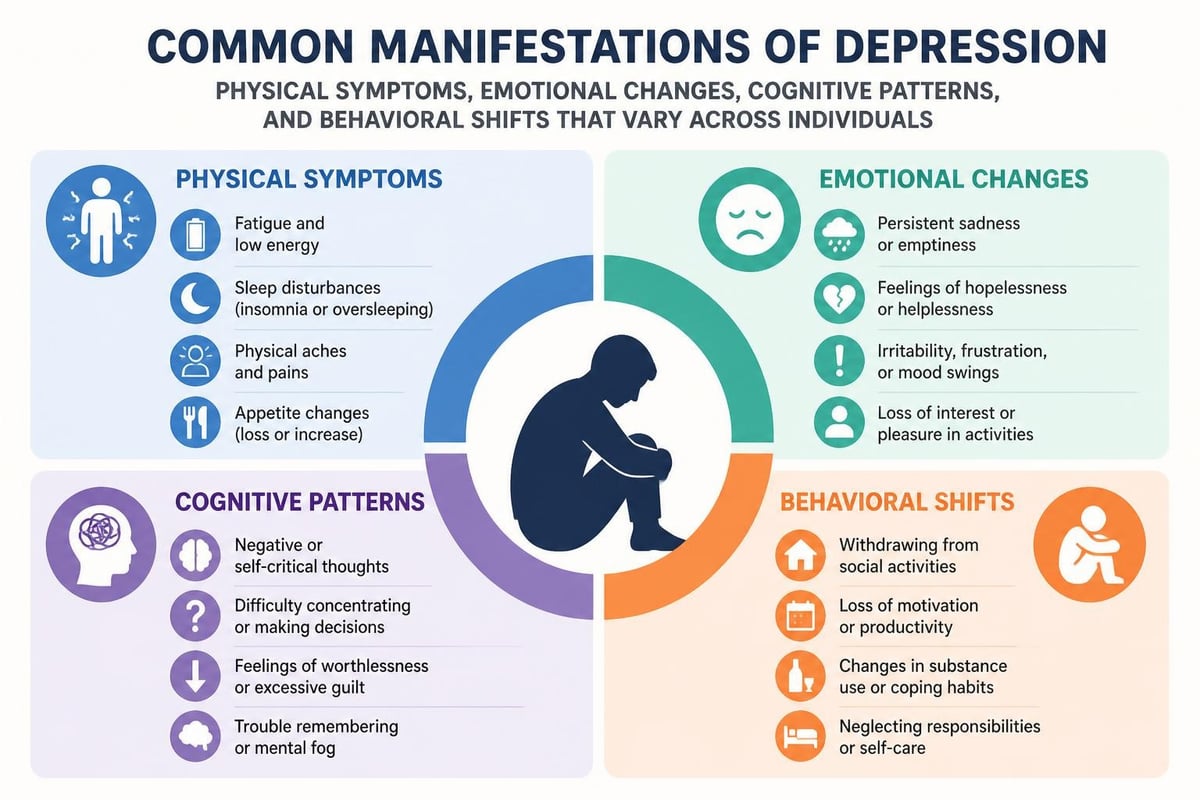
Depression isn't just feeling sad for a day or two. It's a complex mental health condition that affects how you think, feel, and function in daily life. Recognizing the symptoms of depression is the first step toward getting better.
You might notice:
- Persistent feelings of emptiness or hopelessness
- Loss of interest in activities you once enjoyed
- Changes in sleep patterns (too much or too little)
- Difficulty concentrating or making decisions
- Physical symptoms like headaches or digestive issues
Depression doesn't look the same for everyone. Some people experience debilitating fatigue, while others feel restless and agitated. That's why personalized care matters so much when you're working toward recovery.
Building Your Support Network
You've probably heard the phrase "it takes a village," and that's especially true for overcoming depression. Isolation is one of depression's favorite tricks, convincing you that you're alone or that nobody understands. Breaking through that isolation is crucial.
Professional Support Makes the Difference
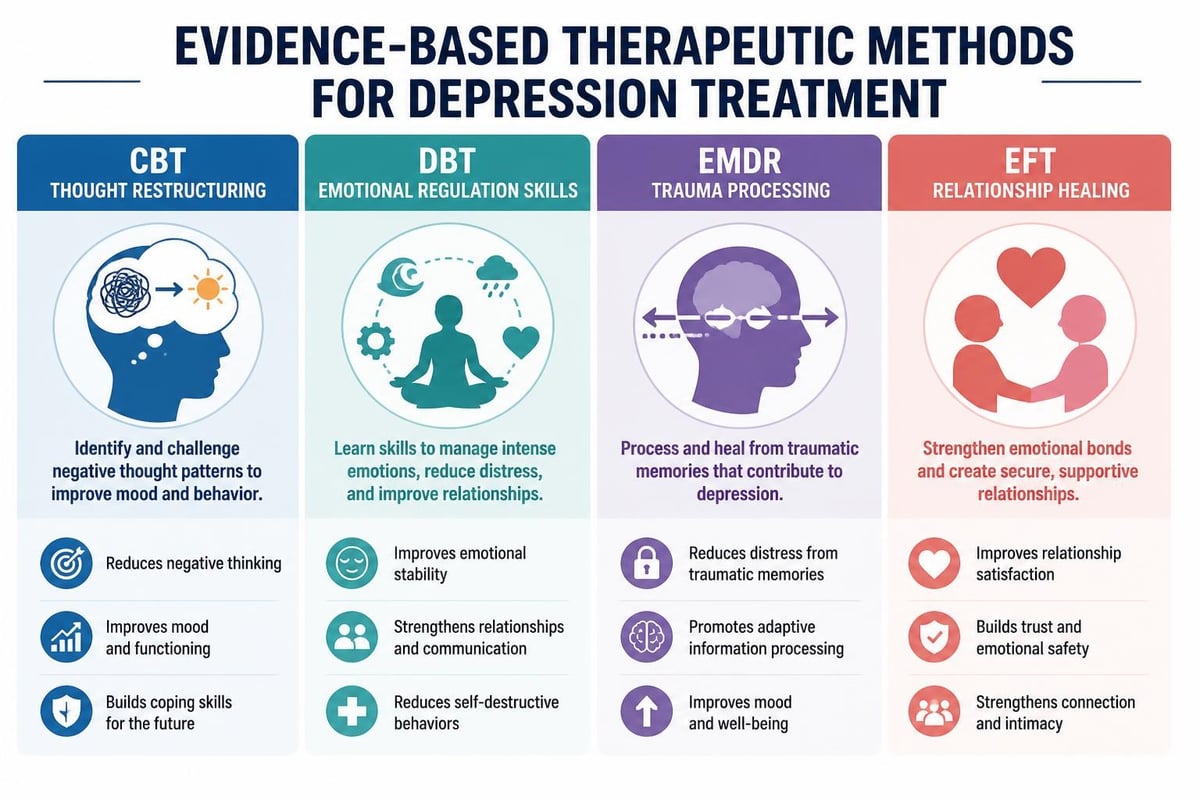
Working with a trained therapist provides structure and expertise that self-help alone can't match. At places like Théla Psychotherapy Clinic, therapists use evidence-based approaches tailored to your specific needs. These might include Cognitive Behavioral Therapy (CBT), Dialectical Behavior Therapy (DBT), or Eye Movement Desensitization and Reprocessing (EMDR).
Psychologists help with depressive disorders by providing a safe space to explore your thoughts and feelings while teaching practical coping skills.
Personal Connections Matter Too
Professional help is essential, but your everyday support system plays a huge role. This includes:
- Close friends or family members who check in regularly
- Support groups where you can connect with others who get it
- Community activities that provide structure and purpose
- Online communities (used mindfully) for additional connection
Practical Strategies That Actually Work
Overcoming depression requires action, even when taking action feels impossible. Start small and build momentum gradually.
Daily Habits That Support Healing
| Strategy | Why It Helps | How to Start |
|---|---|---|
| Morning routine | Provides structure | Set one simple morning task |
| Physical movement | Boosts mood chemicals | Walk for just 5 minutes |
| Sleep schedule | Regulates emotions | Same bedtime each night |
| Nutritious meals | Supports brain health | Add one healthy food daily |
You don't need to overhaul your entire life overnight. In fact, trying to do too much can backfire and leave you feeling worse. Pick one thing and do it consistently for a week before adding something new.
Therapy Approaches That Help
Different therapeutic approaches work for different people. Understanding depression and available treatments helps you make informed choices about your care.
Cognitive Behavioral Therapy (CBT) helps you identify and change negative thought patterns. If you find yourself constantly thinking "I'm worthless" or "nothing will ever get better," CBT gives you tools to challenge these thoughts.
Dialectical Behavior Therapy (DBT) teaches emotional regulation skills. You can even find DBT group therapy options that combine professional guidance with peer support.
Eye Movement Desensitization and Reprocessing (EMDR) is particularly helpful if trauma contributes to your depression. Learning how to prepare for EMDR therapy can set you up for success.
Creating Your Personal Recovery Plan
There's no one-size-fits-all approach to overcoming depression. Your recovery plan should reflect your unique situation, preferences, and resources.
Assessing Your Starting Point
Before you can move forward, you need to know where you are. A cognitive therapy workbook can help you track your symptoms, identify triggers, and monitor progress over time.
Consider these questions:
- What situations make your depression worse?
- When do you feel slightly better, even if just for moments?
- What coping strategies have you tried before?
- What barriers prevent you from seeking or engaging in treatment?
Setting Realistic Goals
Recovery isn't linear, and that's okay. Some days you'll feel like you're making progress, and other days you'll feel like you're back at square one. That's normal.
Start with micro-goals:
- Get out of bed by a certain time
- Eat one nutritious meal
- Reach out to one person
- Spend 10 minutes outside
- Complete one small task
As these become easier, you can gradually increase the difficulty. The key is consistency, not perfection.
When Self-Help Isn't Enough
Sometimes, despite your best efforts with self-care and lifestyle changes, you need professional intervention. That's not failure; that's wisdom. Knowing when to seek help for anxiety and depression is a sign of strength.
Consider professional help if you're experiencing:
- Thoughts of self-harm or suicide
- Inability to function in daily life
- Symptoms lasting more than two weeks
- Physical health declining
- Substance use as a coping mechanism
Making Treatment Accessible
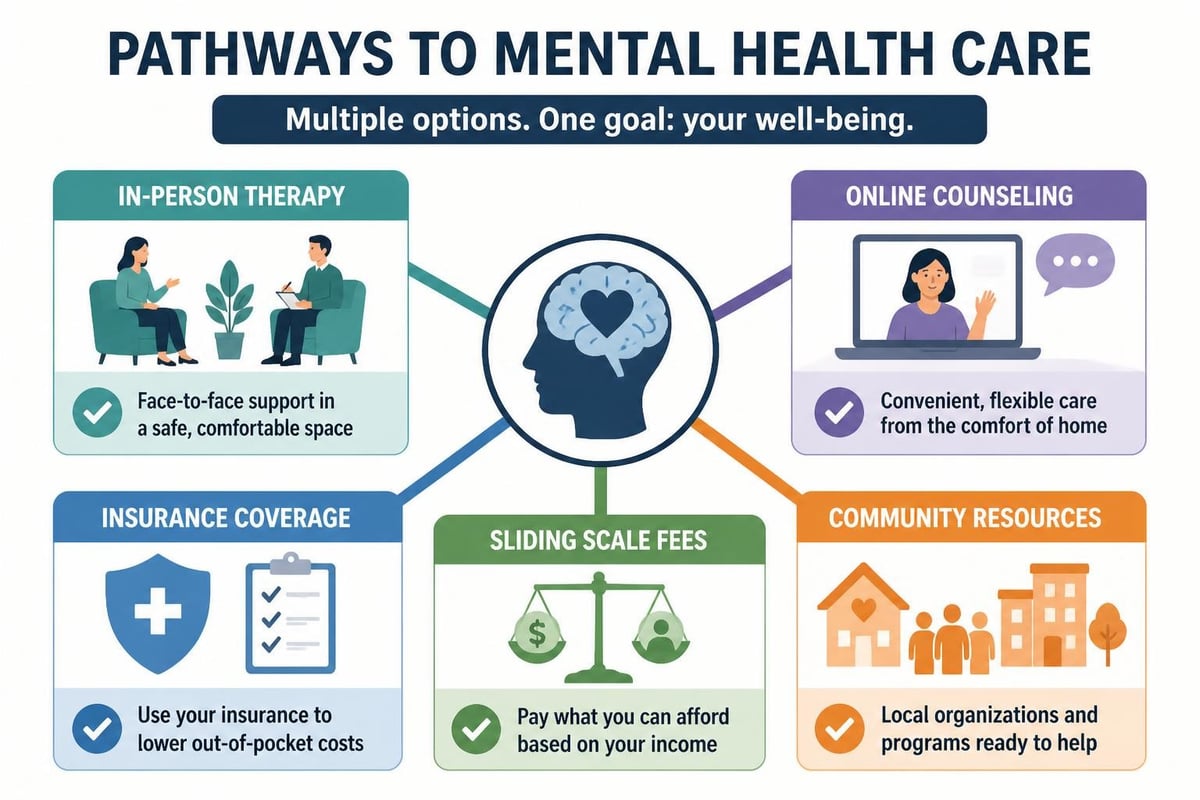
Cost shouldn't be a barrier to getting help. Many clinics offer affordable therapy programs and direct billing options that work with your insurance coverage.
Online therapy has also expanded access significantly. If you're in Ontario, you can access quality care from home, which is especially helpful when depression makes leaving the house feel overwhelming.
The Role of Lifestyle in Recovery
While therapy and medication (when needed) form the foundation of treatment, lifestyle factors significantly impact your recovery journey. These aren't replacements for professional care, but they're powerful complements.
Movement as Medicine
You don't need to become a gym enthusiast, but moving your body regularly can be as effective as medication for some people with mild to moderate depression. Even gentle activities like walking, stretching, or gardening count.
Nutrition and Mental Health
What you eat affects how you feel. Focus on:
- Whole foods over processed options
- Regular meals to stabilize blood sugar
- Omega-3 fatty acids found in fish, walnuts, and flax
- Adequate hydration throughout the day
Sleep Hygiene Matters
Depression and sleep problems often go hand-in-hand. Improving your sleep quality can significantly impact your mood and energy levels. Stick to consistent sleep and wake times, even on weekends.
Moving Forward with Hope
Overcoming depression is one of the hardest things you'll ever do, but it's also one of the most worthwhile. Recovery looks different for everyone, and your timeline is your own. Some people start feeling better within weeks, while others need months or longer. Both experiences are valid.
The most important thing? Keep taking the next small step, even when it feels pointless. Reach out for support when you need it. Celebrate tiny victories. And remember that setbacks don't erase progress. If you're looking for therapeutic approaches that match your needs, exploring different options with a qualified therapist can help you find what works best.
Your depression doesn't define you, and it doesn't have to control your future. With the right support, strategies, and commitment to your healing, a better life is waiting for you.
Overcoming depression requires patience, support, and the right therapeutic approach for your unique needs. If you're in Ontario and ready to take the next step in your healing journey, Théla Psychotherapy Clinic offers trauma-informed, culturally responsive care both in-person in Markham and online across the province. With evidence-based therapies like CBT, DBT, EMDR, and EFT, our team creates a safe space where you can work toward recovery at your own pace.

Bonny Li
Contact Me