Struggling with infertility isn't just a physical challenge-it's an emotional rollercoaster that affects every part of your life. The stress, disappointment, and grief that come with fertility struggles can feel overwhelming, and that's exactly why infertility therapy has become such an important part of comprehensive fertility care. Whether you're just beginning fertility treatments or you've been on this journey for years, professional mental health support can make a real difference in how you cope with the challenges ahead.
Understanding the Emotional Impact of Infertility
Infertility affects approximately 1 in 6 people globally, according to recent WHO guidelines on infertility prevention and treatment. But those statistics don't capture the emotional toll it takes on individuals and couples.
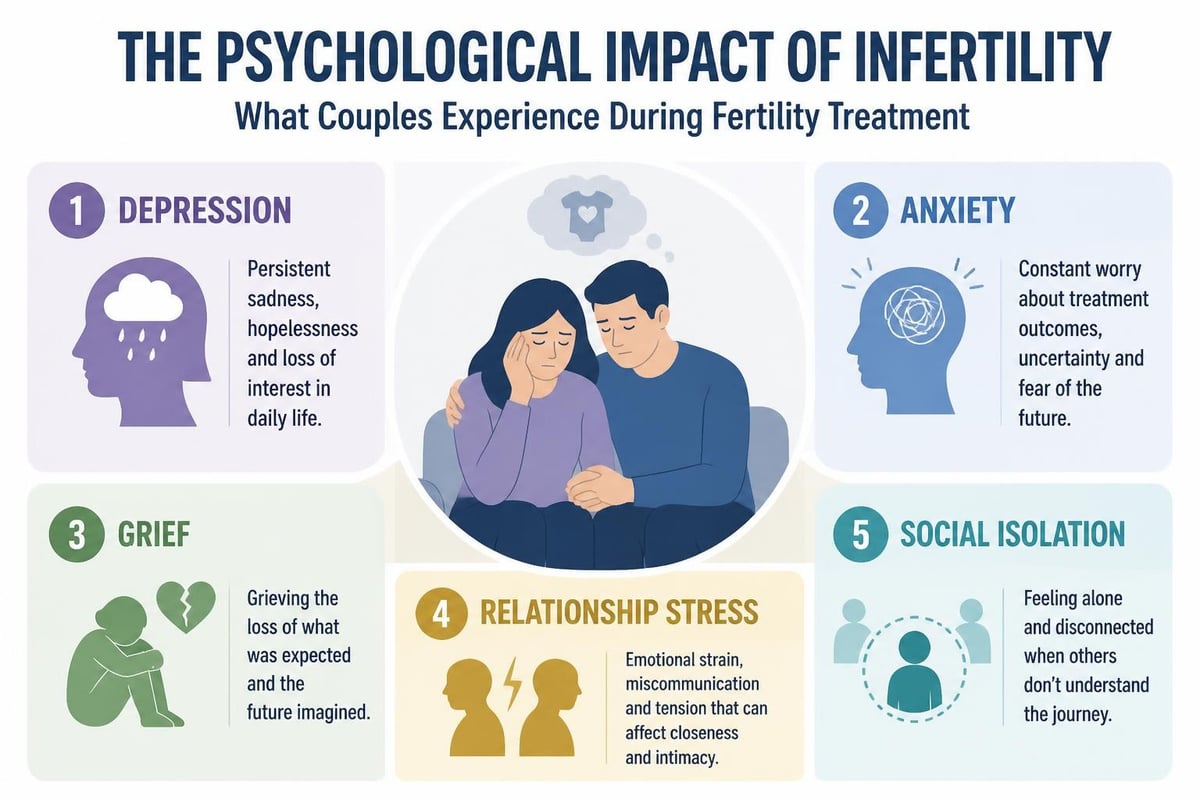
Common emotional responses include:
- Depression and anxiety
- Feelings of shame or inadequacy
- Social isolation and withdrawal
- Relationship strain
- Loss of control over life plans
- Grief for the family you envisioned
Many people don't realize that these feelings are completely normal. Infertility therapy provides a safe space to process these emotions without judgment, helping you develop healthy coping strategies for the journey ahead.
How Infertility Therapy Works
Infertility therapy isn't a one-size-fits-all approach. At Théla Psychotherapy Clinic, therapists understand that each person's fertility journey is unique and requires personalized care.
Individual Therapy Sessions
Working one-on-one with a therapist lets you explore your personal feelings about infertility. You might discuss grief over pregnancy losses, anxiety about upcoming procedures, or frustration with your body. Through evidence-based approaches like CBT and EMDR, you can reframe negative thought patterns and process traumatic experiences related to fertility treatments.
Individual sessions also help you maintain your sense of identity beyond fertility struggles. It's easy to feel like your whole life revolves around trying to conceive, but therapy helps you reconnect with other aspects of yourself.
Couples Counseling for Fertility Challenges
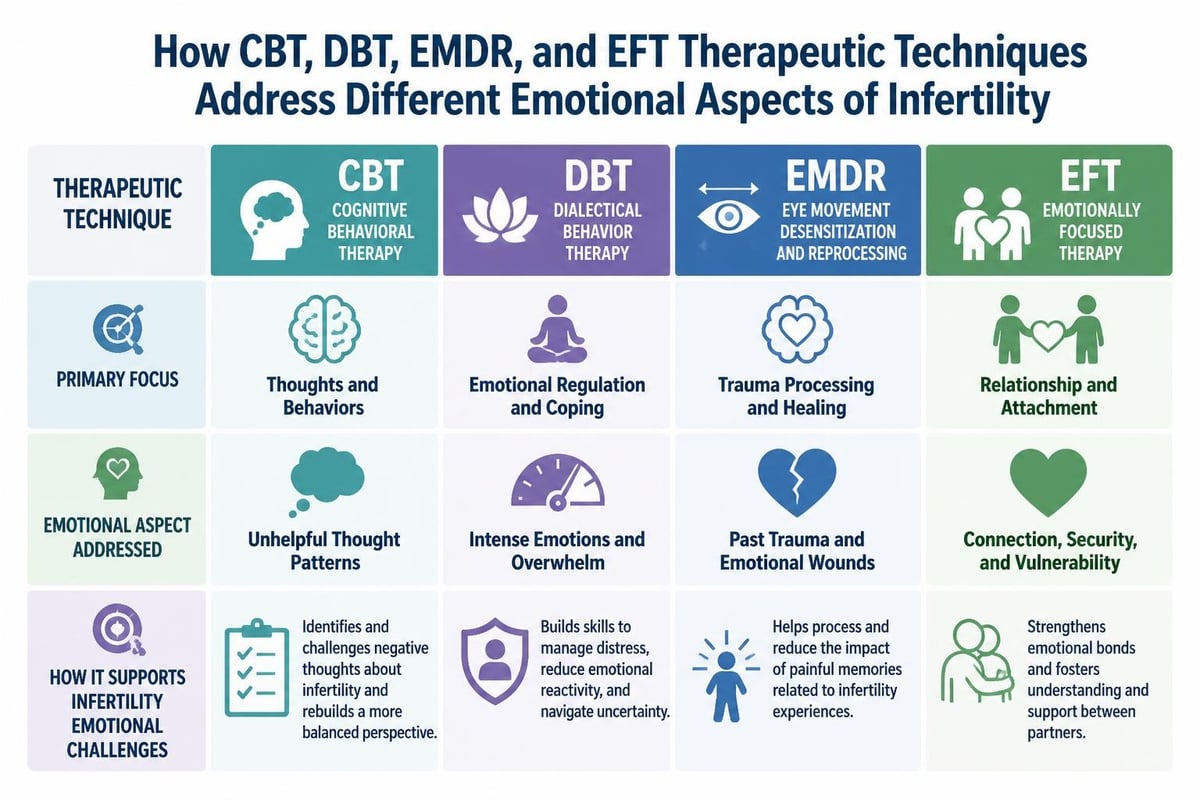
Infertility can put enormous strain on relationships. Partners often grieve differently, communicate poorly under stress, or disagree about treatment decisions. Couples therapy using approaches like EFT helps you and your partner stay connected during this difficult time.
| Aspect of Relationship | Without Therapy | With Infertility Therapy |
|---|---|---|
| Communication | Avoidance, blame | Open, compassionate dialogue |
| Intimacy | Feels clinical, stressful | Maintained connection |
| Decision-making | Conflict, resentment | Collaborative, aligned |
| Emotional support | Isolated experiences | Shared understanding |
Evidence-Based Approaches in Infertility Therapy
The American Family Physician's overview of infertility management emphasizes the importance of addressing psychological factors alongside medical treatment. That's where specialized therapeutic techniques come in.
Cognitive Behavioral Therapy (CBT) helps you identify and change unhelpful thought patterns. If you find yourself catastrophizing about every failed cycle or feeling hopeless about the future, CBT gives you practical tools to challenge these thoughts.
Dialectical Behavior Therapy (DBT) teaches emotional regulation skills that are incredibly valuable during fertility treatment. Learning to tolerate distress, manage intense emotions, and practice mindfulness can help you navigate the ups and downs more effectively. The DBT approaches offered at specialized clinics can be particularly helpful.
Eye Movement Desensitization and Reprocessing (EMDR) addresses trauma related to pregnancy loss, failed treatments, or difficult medical procedures. This therapy helps process traumatic memories so they're less emotionally overwhelming.
When to Seek Infertility Therapy
You don't need to wait until you're in crisis to start therapy. Actually, getting support early in your fertility journey can prevent more serious mental health issues down the road.
Consider seeking infertility therapy if you're experiencing:
- Persistent sadness or crying spells
- Anxiety that interferes with daily functioning
- Difficulty sleeping or eating
- Social withdrawal from friends and family
- Strained communication with your partner
- Obsessive thoughts about pregnancy and fertility
- Feelings of hopelessness about the future
Research shows that stress doesn't necessarily cause infertility, but infertility definitely causes stress. The treatment approaches for unexplained infertility often work better when mental health is also addressed.
Finding the Right Support in Ontario
Access to infertility therapy has expanded significantly in 2026, with many options available across Ontario. You can choose between in-person sessions or online therapy, depending on what works best for your schedule and comfort level.
Look for therapists who specifically mention fertility or reproductive health in their areas of expertise. The therapeutic services available should include trauma-informed care, since infertility can be genuinely traumatic.
What to Look For in an Infertility Therapist
- Experience working with fertility challenges
- Training in evidence-based approaches (CBT, DBT, EMDR, EFT)
- Culturally responsive and inclusive practice
- Understanding of medical fertility treatments
- Warm, non-judgmental approach
Some clinics also offer group therapy specifically for people experiencing infertility. Connecting with others who understand your experience can be incredibly validating and reduce feelings of isolation.
Practical Coping Strategies Between Sessions
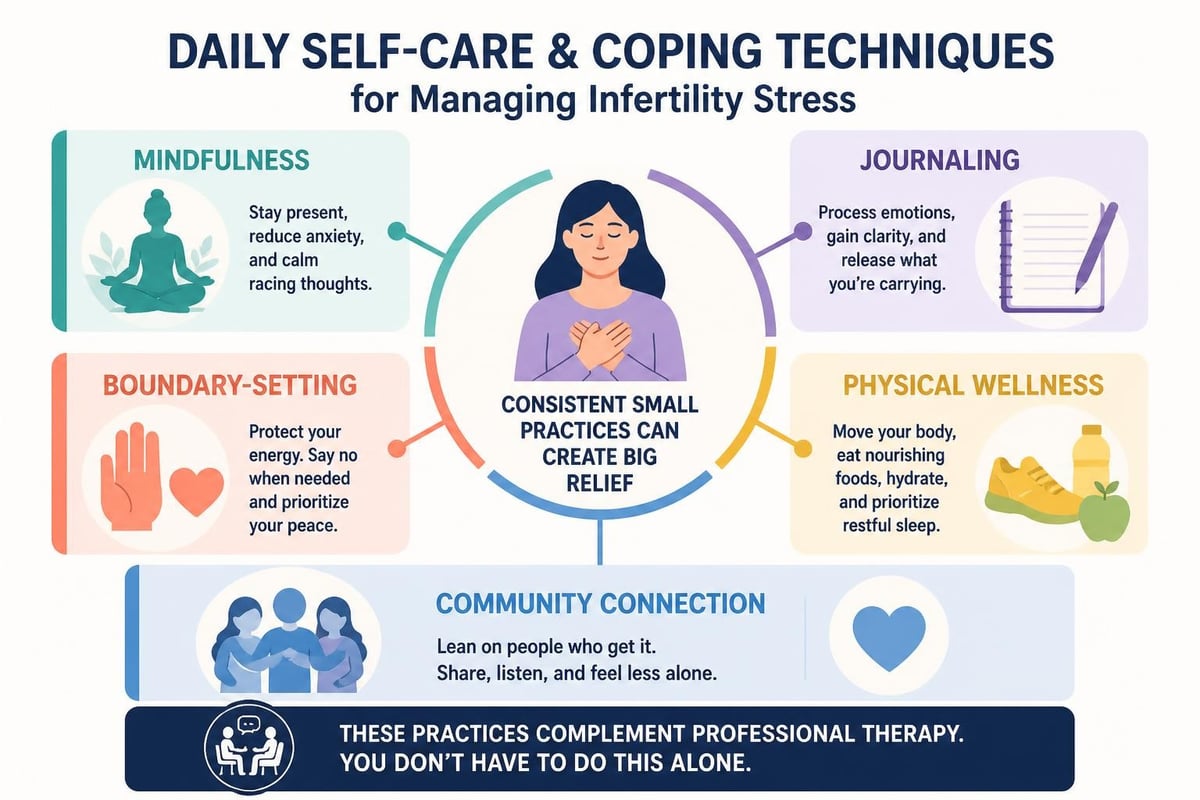
Infertility therapy gives you tools you can use every day, not just during sessions. Your therapist might recommend mindfulness practices, journaling exercises, or communication techniques to practice at home.
Daily strategies that complement therapy:
- Set boundaries around baby-related conversations
- Schedule time for non-fertility activities you enjoy
- Practice self-compassion when treatments don't work
- Maintain physical health through gentle exercise and nutrition
- Connect with support communities online or in person
Integrating Mental Health with Medical Treatment
The best outcomes happen when your mental health care and medical treatment work together. Many fertility clinics now recognize this and partner with mental health professionals or recommend that patients seek therapy alongside medical interventions.
Don't hesitate to talk with your fertility doctor about the emotional challenges you're facing. They can provide resources and may adjust your treatment plan to reduce stress where possible. Similarly, your therapist should understand the medical aspects of your fertility journey.
This integrated approach, supported by comprehensive WHO guidelines on infertility treatment, acknowledges that fertility care is about treating the whole person, not just addressing reproductive function.
Moving Forward with Hope and Support
Infertility therapy doesn't guarantee you'll conceive, but it does guarantee you won't face this journey alone. Professional support helps you maintain your mental health, protect your relationships, and find meaning beyond fertility outcomes. Whatever happens with your fertility journey, therapy equips you with resilience and coping skills that serve you throughout life.
Remember that seeking help isn't a sign of weakness. It's actually one of the strongest, most proactive things you can do for yourself during this challenging time. The right therapist becomes a trusted partner who supports you through every disappointment and celebrates every small victory along the way.
Navigating infertility requires both medical care and emotional support-you shouldn't have to choose between the two. At Théla Psychotherapy Clinic, our trauma-informed therapists provide compassionate, evidence-based care for individuals and couples facing fertility challenges, with flexible options for both in-person sessions in Markham and online therapy throughout Ontario. Whether you're just beginning this journey or need support after years of trying, we're here to help you build resilience and find hope during one of life's most difficult experiences.

Bonny Li
Contact Me
.jpg)