Living with depression can feel like you're carrying an invisible weight that nobody else can see. You wake up exhausted, even after sleeping for hours. Simple tasks feel overwhelming. And worst of all, you might feel like you're the only one struggling. But here's the truth: you're not alone, and there's real hope for feeling better. Depression and therapy have been studied together for decades, and we now know more than ever about what actually works to help people heal.
What Makes Depression So Hard to Navigate Alone
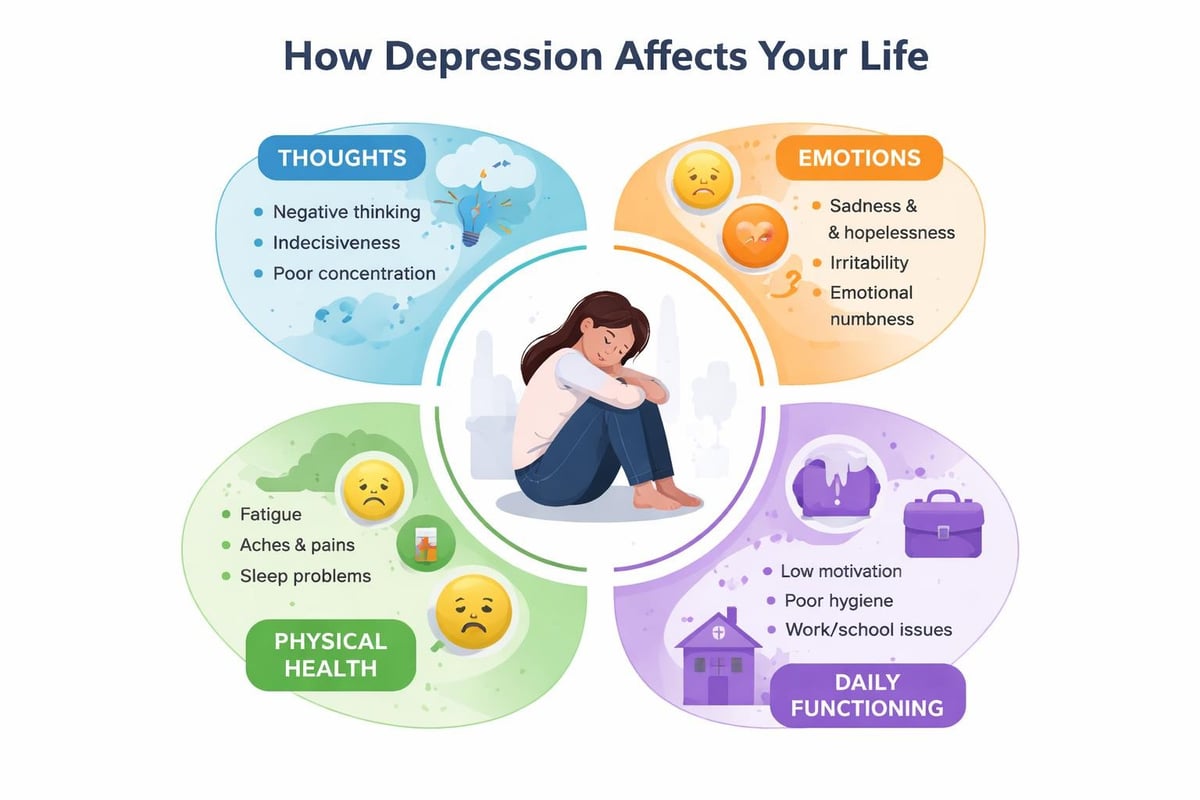
Depression isn't just feeling sad for a few days. It's a persistent condition that affects how you think, feel, and function in daily life. Some people experience it as emotional numbness rather than sadness. Others feel irritable, anxious, or disconnected from the things they used to love.
Common signs of depression include:
- Persistent low mood or emptiness
- Loss of interest in activities you once enjoyed
- Changes in sleep patterns (too much or too little)
- Difficulty concentrating or making decisions
- Physical symptoms like fatigue or unexplained aches
- Feelings of worthlessness or excessive guilt
- Thoughts of death or self-harm
When you're in the middle of depression, your brain can convince you that nothing will help. This is actually a symptom of the condition itself. That's why understanding what depression really is becomes such an important first step.
How Therapy Actually Helps With Depression
Depression and therapy go hand-in-hand because therapy addresses the root causes and patterns that keep you stuck. Unlike medication alone, therapy gives you tools you can use for the rest of your life.
Evidence-Based Approaches That Work
Different therapeutic approaches have been proven effective through research. The key is finding what works best for your unique situation.
| Therapy Type | What It Does | Best For |
|---|---|---|
| CBT (Cognitive Behavioral Therapy) | Identifies and changes negative thought patterns | Thought-focused depression, anxiety |
| DBT (Dialectical Behavior Therapy) | Builds emotional regulation and distress tolerance skills | Intense emotions, self-harm behaviors |
| EMDR | Processes traumatic memories contributing to depression | Trauma-related depression |
| EFT (Emotion-Focused Therapy) | Explores and transforms emotional experiences | Relationship issues, emotional disconnection |
Research shows that cognitive therapy of depression can be just as effective as medication for many people, and the benefits last longer because you're learning skills, not just managing symptoms.
Behavioral activation therapy focuses on getting you moving again. When you're depressed, you tend to withdraw from activities, which actually makes depression worse. This approach helps you gradually re-engage with life in manageable steps.
What to Expect When You Start Therapy
Starting therapy can feel intimidating, especially when depression is already draining your energy. But knowing what to expect can make it easier to take that first step.
Your first few sessions are about building a foundation. Your therapist will want to understand your story, what you're struggling with, and what you hope to achieve. They're not there to judge you or tell you to "just think positive." They're trained professionals who understand that depression is a real medical condition.
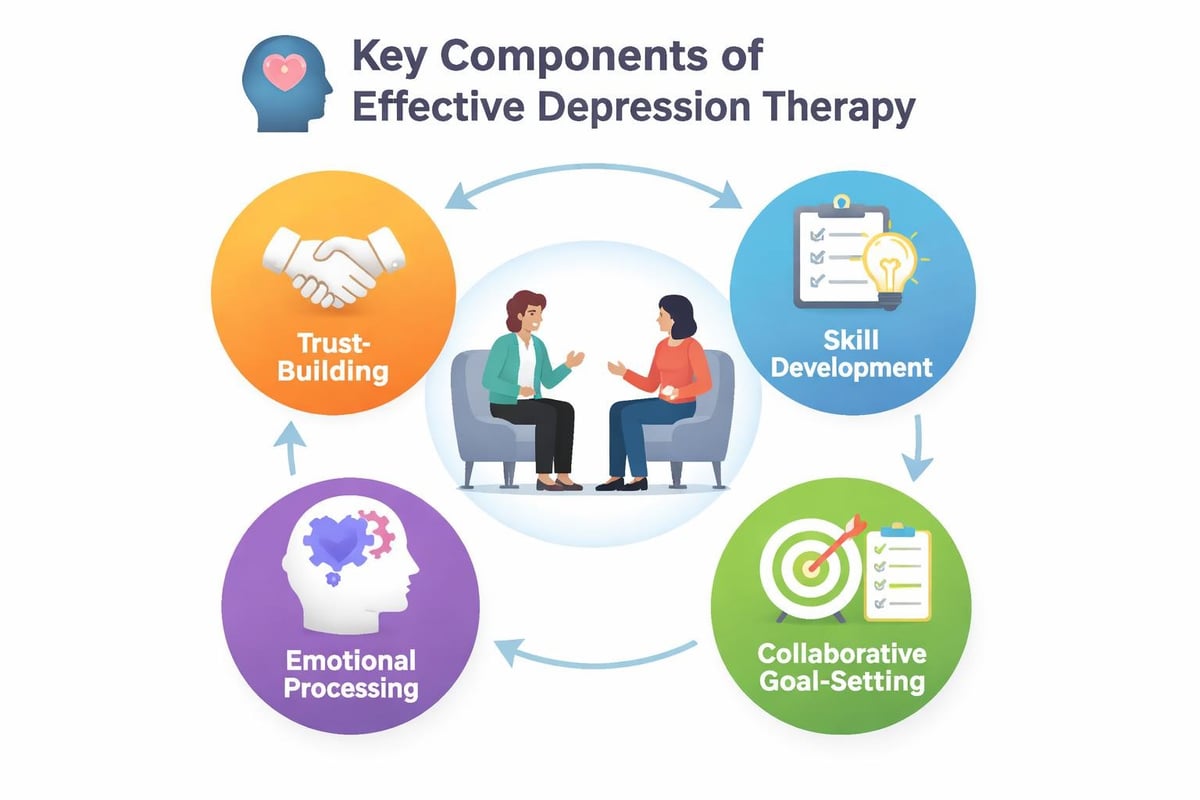
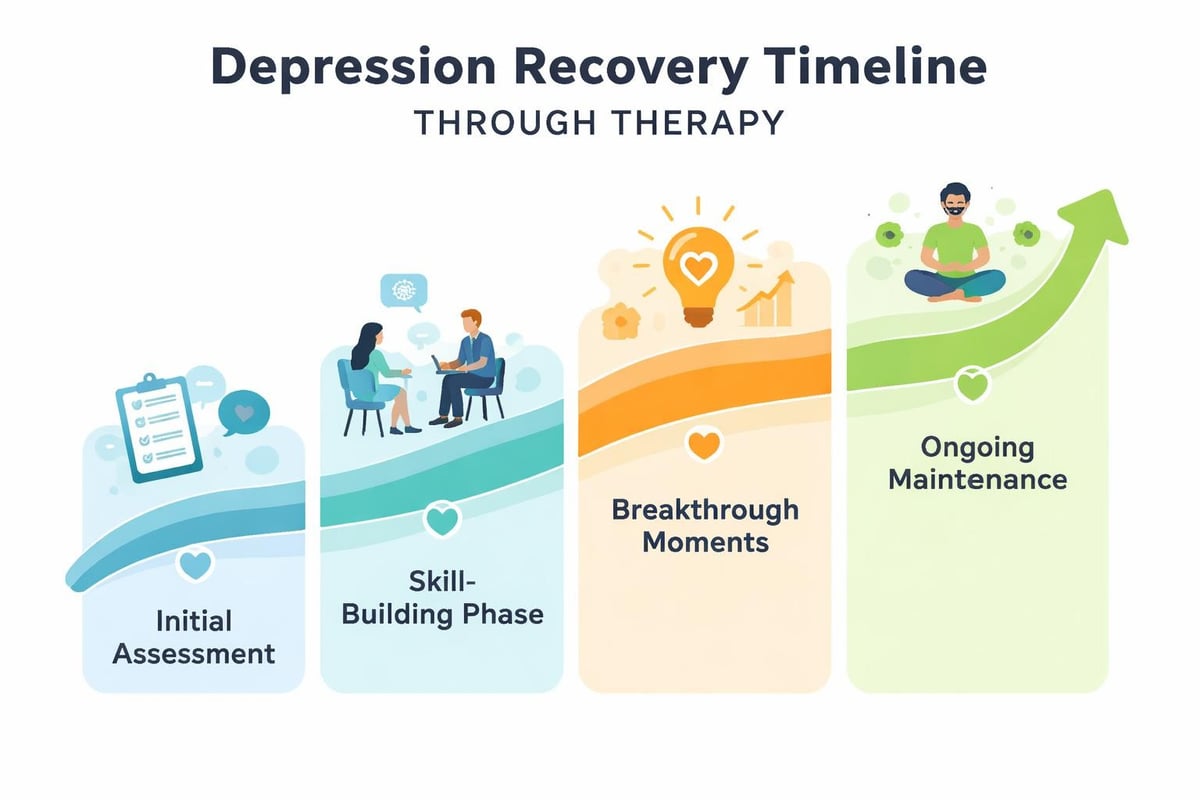
The therapy process typically includes:
- Assessment and goal-setting - Understanding your symptoms and what you want to work on
- Building trust and safety - Creating a comfortable space where you can be honest
- Learning new skills - Practicing techniques you can use between sessions
- Processing experiences - Working through past events or current challenges
- Measuring progress - Noticing changes, even small ones, and adjusting your approach
At Théla Psychotherapy Clinic's services, therapists use trauma-informed and culturally responsive approaches. This means they understand how your background, experiences, and identity shape your mental health.
Different Types of Depression Need Different Approaches
Not all depression looks the same, and that's why personalized treatment matters so much. Some people experience major depressive episodes that last weeks or months. Others deal with persistent depressive disorder, a lower-grade but longer-lasting form. There's also seasonal affective disorder, postpartum depression, and depression related to specific life circumstances.
For children dealing with depression, specialized approaches like those described in research on treating childhood depression focus on age-appropriate emotion regulation skills. Parents seeking help can find guidance through resources on supporting children with depression.
Treatment-resistant depression requires a different conversation entirely. Some people try multiple approaches before finding what works. The good news is that management of depression continues to evolve with new research and treatment options emerging regularly.
Making Therapy Work for Your Life
Here's something they don't always tell you: therapy requires effort. You can't just show up once a week and expect magic to happen. The real work happens between sessions when you practice what you're learning.
Ways to get the most from therapy:
- Be honest with your therapist, even when it's uncomfortable
- Do the homework or practice exercises they suggest
- Keep track of your moods and patterns
- Ask questions when you don't understand something
- Give it time - healing doesn't happen overnight
If you're worried about cost, affordable therapy programs make professional help accessible. Many clinics also offer direct billing to insurance, removing financial barriers to getting help.
When to Consider Additional Support
Sometimes depression and therapy work best when combined with other forms of support. This might include medication prescribed by a doctor, lifestyle changes, support groups, or complementary approaches.
Innovative options like canine support therapy can enhance traditional talk therapy. The presence of a therapy dog can reduce anxiety and create a sense of safety that makes it easier to open up.
For couples where one or both partners are dealing with depression, couples counselling addresses how mental health impacts your relationship. Depression doesn't just affect you - it affects the people who love you too.
Taking the First Step Today
You don't have to wait until you're in crisis to reach out for help. In fact, starting therapy earlier in your depression journey often leads to faster recovery. And you definitely don't need to have everything figured out before your first appointment.
If you're in Ontario, you have options for both in-person and online therapy. The flexibility of virtual sessions means you can get help even on days when leaving the house feels impossible. Learning about what to expect in your counselling journey can ease some of the uncertainty.
Recognizing the signs you need therapy is itself a sign of strength, not weakness. Depression wants you to believe you should handle everything alone. But humans aren't meant to heal in isolation.
Depression is incredibly common, and effective treatment is available. The combination of depression and therapy has helped millions of people reclaim their lives, find joy again, and build resilience for the future. At Théla Psychotherapy Clinic, experienced therapists offer evidence-based approaches tailored to your unique needs, with options for in-person sessions in Markham or online therapy throughout Ontario. Whether you're dealing with depression, anxiety, trauma, or relationship challenges, compassionate, trauma-informed care is available to support your healing journey.

Bonny Li
Contact Me
.jpg)