
You're not alone if you've been feeling overwhelmed lately. Anxiety and depression affect millions of people across Canada, but here's the good news: professional support can make a real difference. Whether you're experiencing racing thoughts that won't quit, persistent sadness that colors everything gray, or both at once, counselling for anxiety and depression offers a proven path toward feeling like yourself again. Let's explore what this journey actually looks like and how the right therapeutic approach can help you reclaim your mental wellness.
What Makes Anxiety and Depression So Challenging
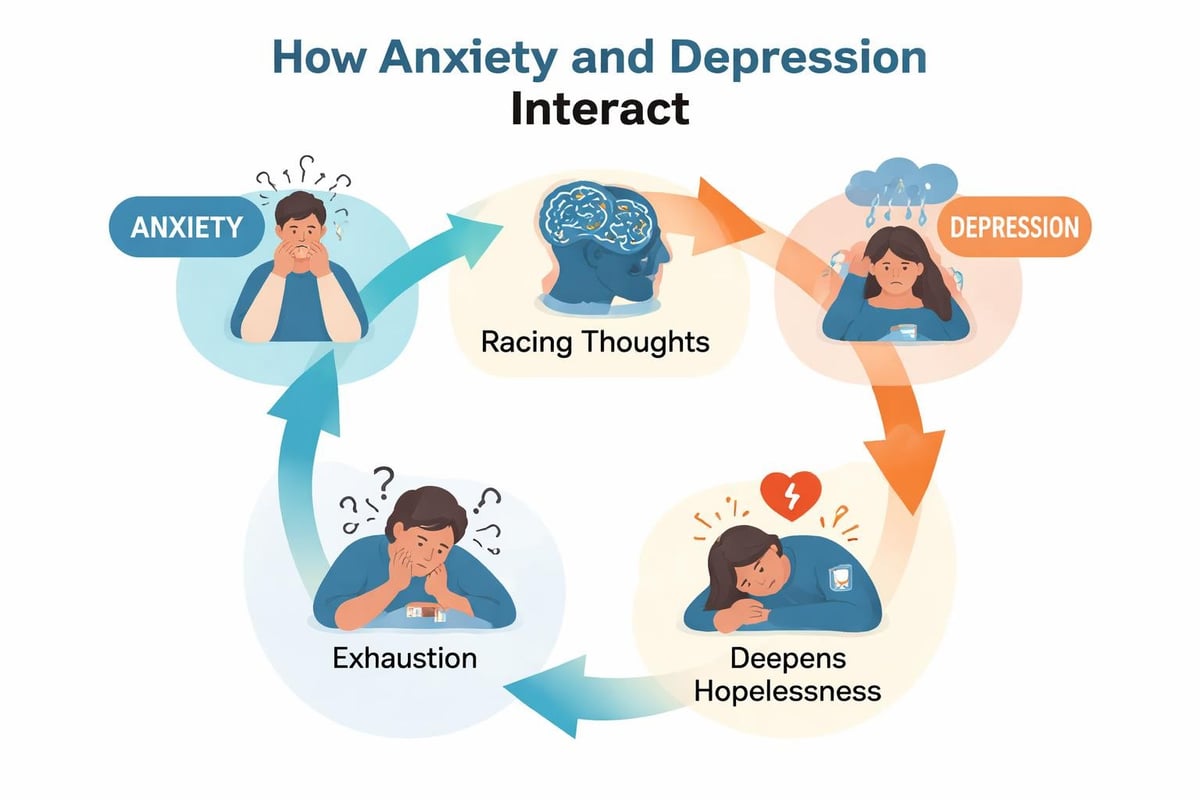
Anxiety and depression often show up together, creating a particularly tough combination. When you're anxious, your mind races with worry about the future. When you're depressed, you might feel stuck in the past or hopeless about tomorrow.
The National Institute of Mental Health offers comprehensive information on anxiety disorders, including physical symptoms like rapid heartbeat, difficulty sleeping, and constant tension. Depression brings its own set of challenges: persistent sadness, loss of interest in activities you used to enjoy, changes in appetite, and overwhelming fatigue.
What makes these conditions especially tricky is how they feed off each other. Anxiety about your depression can make you feel worse. Depression about your anxiety can sap your energy to cope.
The Physical Impact You Can't Ignore
It's not just in your head. Both conditions create real physical symptoms that affect your daily life:
- Sleep disruption that leaves you exhausted no matter how long you stay in bed
- Digestive issues ranging from nausea to appetite changes
- Chronic pain including headaches, muscle tension, and unexplained aches
- Energy depletion that makes simple tasks feel impossible
- Concentration problems that affect work and relationships
These physical manifestations are why understanding depression requires looking at the whole person, not just emotional symptoms.
How Counselling for Anxiety and Depression Actually Works
Professional therapy isn't about lying on a couch talking about your childhood for years (though processing past experiences can be part of healing). Modern counselling for anxiety and depression uses evidence-based approaches tailored to your specific needs.
Evidence-Based Therapeutic Approaches
Different therapy types work for different people, which is why personalized care matters so much:
| Therapy Type | Best For | How It Helps |
|---|---|---|
| CBT (Cognitive Behavioral Therapy) | Negative thought patterns | Identifies and changes unhelpful thinking |
| DBT (Dialectical Behavior Therapy) | Emotional regulation | Builds coping skills and mindfulness |
| EMDR (Eye Movement Desensitization) | Trauma-related anxiety/depression | Processes traumatic memories |
| EFT (Emotionally Focused Therapy) | Relationship-connected issues | Addresses attachment and emotional bonds |
The therapeutic services available at specialized clinics combine these approaches based on what you're experiencing right now.
What to Expect in Your Counselling Journey
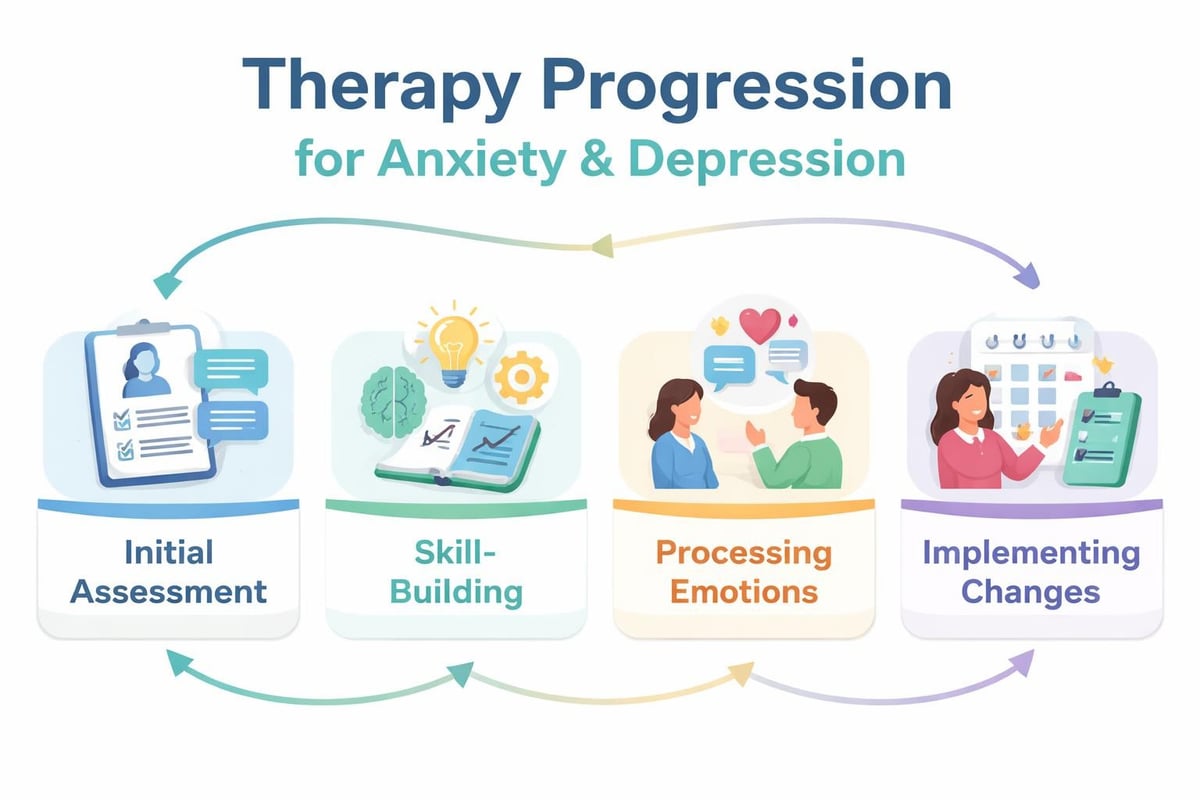
Starting therapy can feel intimidating. Here's what the process typically looks like:
Initial Assessment: Your therapist will work with you to understand your symptoms, history, and goals. This isn't an interrogation, it's a conversation about what's been happening and what you want to change.
Treatment Planning: Together, you'll develop a roadmap. Maybe you need skills to manage panic attacks. Perhaps you're working through trauma that's fueling both anxiety and depression. Your plan should reflect your priorities.
Active Therapy Sessions: This is where the real work happens. You'll learn practical tools, process difficult emotions, and gradually build new patterns of thinking and responding.
Skills You'll Develop
Counselling isn't passive. You're actively building a toolkit that includes:
- Grounding techniques to manage anxiety in the moment
- Cognitive restructuring to challenge depressive thoughts
- Behavioral activation to counteract withdrawal and avoidance
- Emotional regulation strategies for overwhelming feelings
- Self-compassion practices to replace harsh self-criticism
Specialized Support Options
Not everyone responds to the same approach. That's why exploring options like canine-assisted therapy can make a difference for some people. The presence of a therapy dog can reduce anxiety, provide comfort during difficult sessions, and create a safe space for opening up.
Cultural and Trauma-Informed Care
If you've experienced trauma, standard counselling approaches might not feel safe. Trauma-informed care recognizes how past experiences affect your current mental health. This means your therapist understands why certain topics might be triggering and works at your pace.
Cultural responsiveness matters too. Your background, identity, and experiences shape how anxiety and depression show up in your life. Addressing common mental health concerns requires understanding your whole context, not just your symptoms.
Making Counselling Accessible
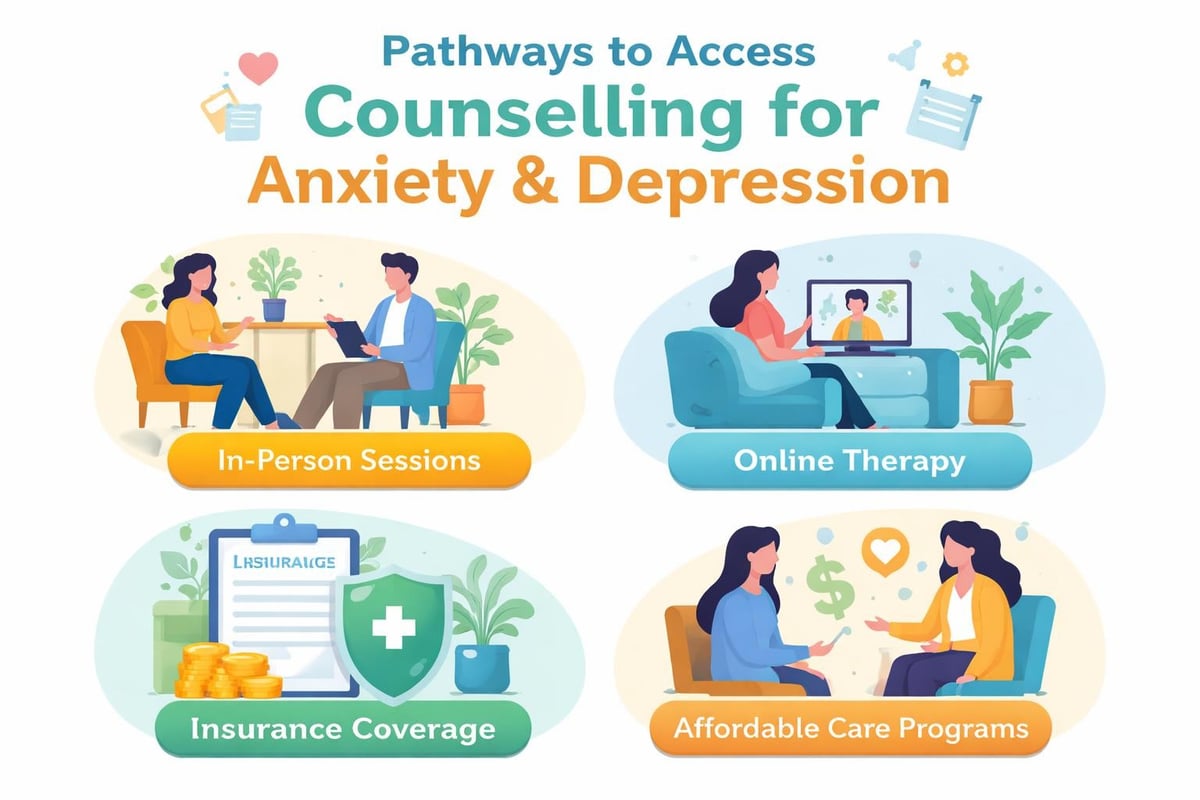
Cost shouldn't be a barrier to getting help. Many clinics offer sliding scale fees, and some insurance plans cover mental health services. Understanding your insurance coverage can help you access the support you need without financial stress.
For those facing financial barriers, affordable therapy programs can provide quality care at reduced rates. Online therapy options have also expanded access, allowing you to receive counselling from home if that works better for your schedule or comfort level.
When to Seek Help
You don't need to wait until you're in crisis. Consider reaching out if:
- Your symptoms persist for more than two weeks
- Daily activities feel increasingly difficult
- You're using substances to cope
- Relationships are suffering
- You're having thoughts of self-harm
Recognizing when you need therapy is an important step toward healing. There's no shame in asking for support, as mental health professionals emphasize.
What Recovery Really Looks Like
Recovery isn't linear. You'll have good days and tough days. But with consistent counselling for anxiety and depression, you'll notice changes:
Your coping skills become automatic. Instead of spiraling when anxiety hits, you instinctively use grounding techniques. When depression whispers that nothing matters, you recognize it as a symptom, not truth.
You start engaging with life again. Maybe you accept that social invitation. Perhaps you restart a hobby you'd abandoned. Small steps compound into meaningful change.
Research shows that counseling can aid in recovering from depression, with many people experiencing significant improvement within several months of consistent therapy. The key is finding the right approach and sticking with it, even when progress feels slow.
Counselling for anxiety and depression offers real hope and practical tools for reclaiming your mental wellness. If you're in Ontario and ready to start your healing journey, Théla Psychotherapy Clinic provides trauma-informed, culturally responsive care using evidence-based approaches like CBT, DBT, EMDR, and EFT. With both in-person sessions in Markham and online therapy available across Ontario, you can access the personalized support you deserve in the format that works best for you.

Bonny Li
Contact Me
.jpg)

