Substance use affects millions of people across Canada and beyond, touching lives in ways that ripple through families, workplaces, and communities. Whether you're personally struggling, supporting a loved one, or simply trying to understand this complex issue, knowing the facts can make all the difference. In 2026, we're seeing more open conversations about substance use than ever before, which means more people are getting the help they need without shame or stigma.
What We Mean When We Talk About Substance Use
Substance use covers a wide spectrum of behaviors, from occasional experimentation to patterns that significantly impact daily life. It's not just about illegal drugs, either. We're talking about alcohol, prescription medications, cannabis, opioids, and other substances that can affect your brain chemistry and behavior.
The thing is, not everyone who uses substances develops a disorder. But when use becomes problematic, it can interfere with work, relationships, health, and overall quality of life. Understanding substance use disorders helps us recognize when recreational use crosses into territory that requires professional support.
The Signs Worth Noticing
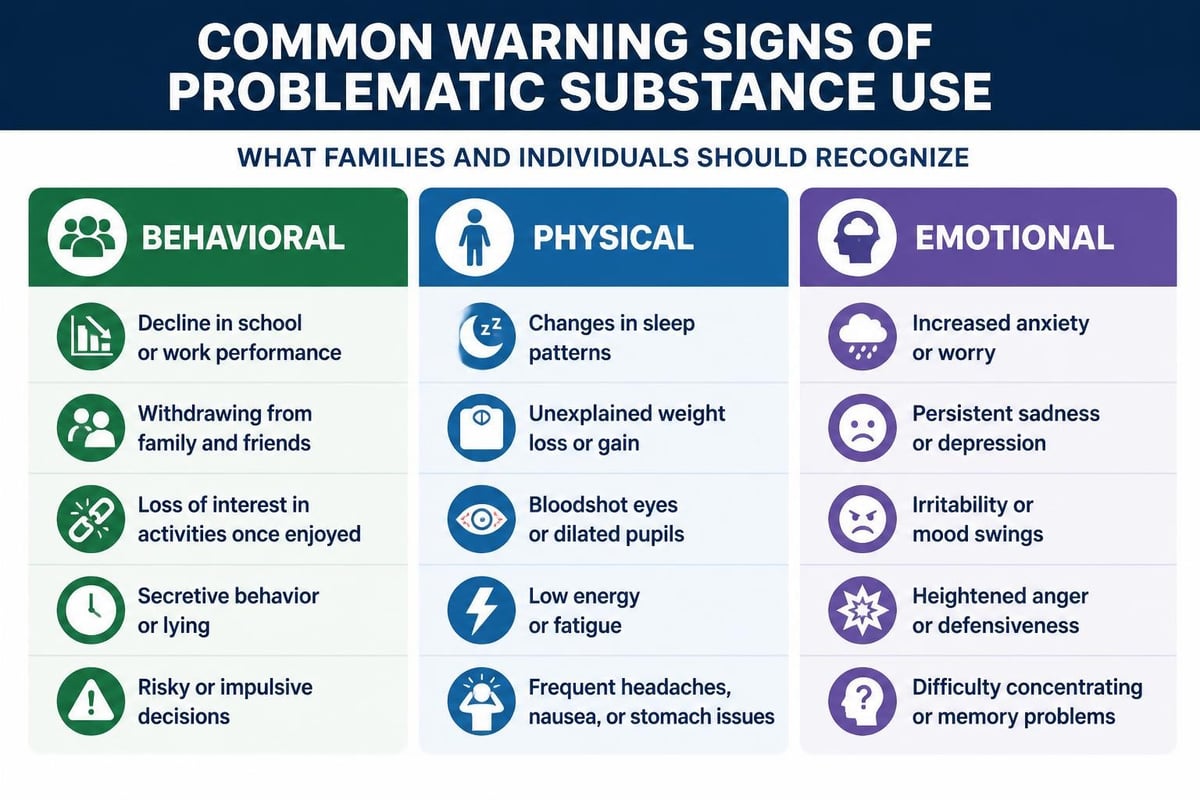
Recognizing problematic substance use isn't always straightforward. People often hide their struggles or don't realize themselves that they've developed a dependency.
Here are some patterns to watch for:
- Needing more of a substance to get the same effect
- Experiencing withdrawal symptoms when not using
- Spending excessive time obtaining, using, or recovering from substances
- Continuing use despite negative consequences
- Neglecting responsibilities at work, school, or home
- Giving up activities you once enjoyed
Physical signs can include changes in sleep patterns, appetite, or appearance. You might also notice mood swings, irritability, or withdrawal from social connections.
How Substance Use Affects Mental Health
The relationship between substance use and mental health is complicated. Sometimes people turn to substances to cope with underlying anxiety, depression, or trauma. Other times, substance use itself triggers or worsens mental health conditions.
This is what we call co-occurring disorders, and they're more common than you might think. At Théla Psychotherapy Clinic, we see clients dealing with both challenges simultaneously, which is why integrated treatment approaches work best.
The Brain Connection
Substances literally change how your brain works. They affect neurotransmitters, the chemical messengers that regulate mood, motivation, and pleasure. Over time, your brain adapts to these changes, making it harder to feel good without the substance.
This isn't a moral failing. It's a medical reality. Understanding this helps reduce the stigma surrounding substance use, which is crucial for encouraging people to seek help.
Treatment Options That Actually Work
Recovery is absolutely possible, and there's no single "right" way to get there. What works for one person might not work for another, which is why personalized treatment plans are so important.
| Treatment Approach | How It Helps | Best For |
|---|---|---|
| Cognitive Behavioral Therapy (CBT) | Identifies thought patterns and develops coping strategies | Managing triggers and building healthy habits |
| Dialectical Behavior Therapy (DBT) | Teaches emotional regulation and distress tolerance | Co-occurring mood disorders |
| EMDR | Processes trauma underlying substance use | Trauma-related substance use |
| Medication-Assisted Treatment | Reduces cravings and withdrawal symptoms | Opioid and alcohol dependence |
The CDC outlines various treatment options that have proven effective for different types of substance use disorders. The key is finding what resonates with you.
Why Therapy Makes a Difference
Individual therapy provides a safe, confidential space to explore the roots of substance use without judgment. Many people discover that their relationship with substances is tied to unresolved trauma, chronic stress, or untreated mental health conditions.
Therapeutic approaches like those used at specialized clinics combine evidence-based methods with compassionate care. This means addressing not just the substance use itself, but the whole person and their unique circumstances.
Building Your Support Network
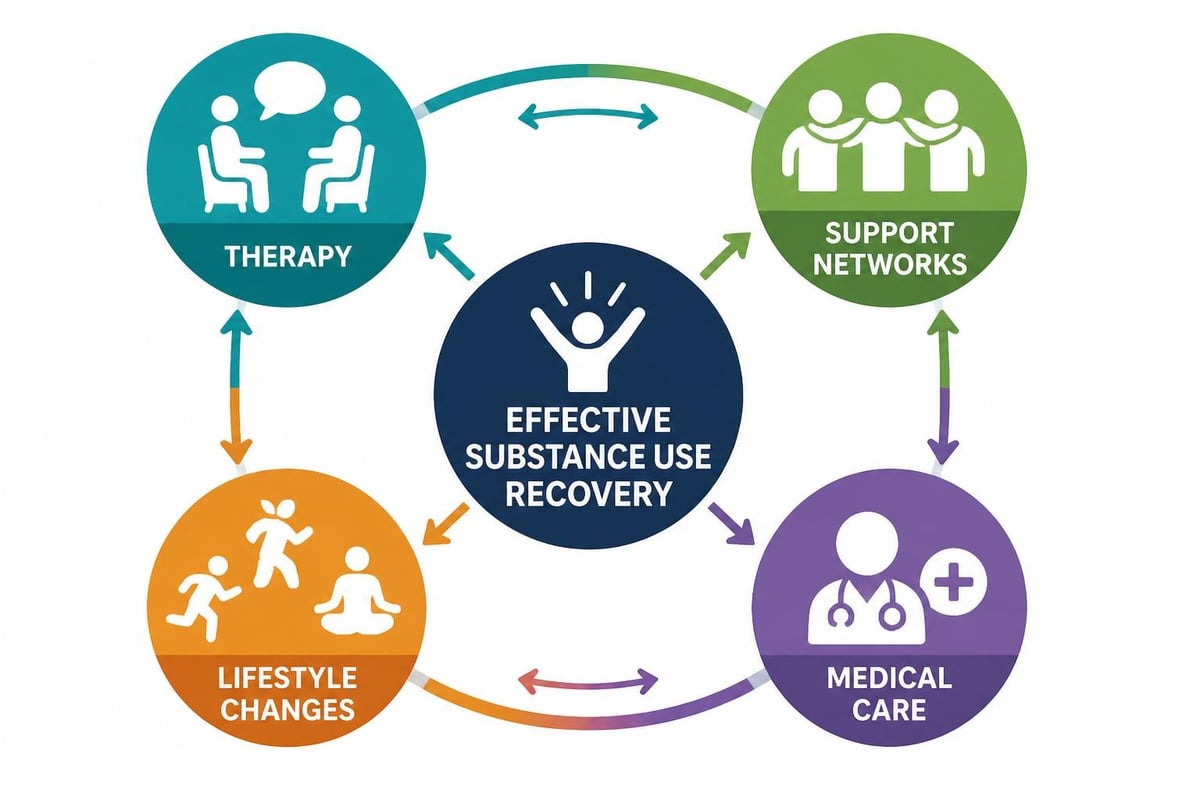
Recovery doesn't happen in isolation. Having people in your corner makes a massive difference in long-term success.
Your support network might include:
- Professional therapists trained in substance use treatment
- Support groups where you can connect with others facing similar challenges
- Family and friends who understand your journey
- Medical professionals who monitor your physical health
- Peer support specialists who've walked this path themselves
SAMHSA provides comprehensive resources for finding treatment and support programs. Don't hesitate to reach out to multiple resources until you find the right fit.
The Role of Family Therapy
Substance use affects everyone in the family system, not just the person struggling. Family therapy helps rebuild trust, improve communication, and create healthy boundaries. It also educates family members about how they can support recovery without enabling problematic behaviors.
Understanding how substance use impacts relationships is crucial for healing. Couples counselling and family therapy can address the relational wounds that both contribute to and result from substance use.
Moving Forward in 2026
The landscape of substance use treatment continues evolving. We're seeing more integration of mental health and addiction services, greater acceptance of harm reduction approaches, and increased access to virtual therapy options across Ontario.
One exciting development is the use of technology in treatment. Research shows promise in AI applications for substance use education, making information more accessible to those who need it.
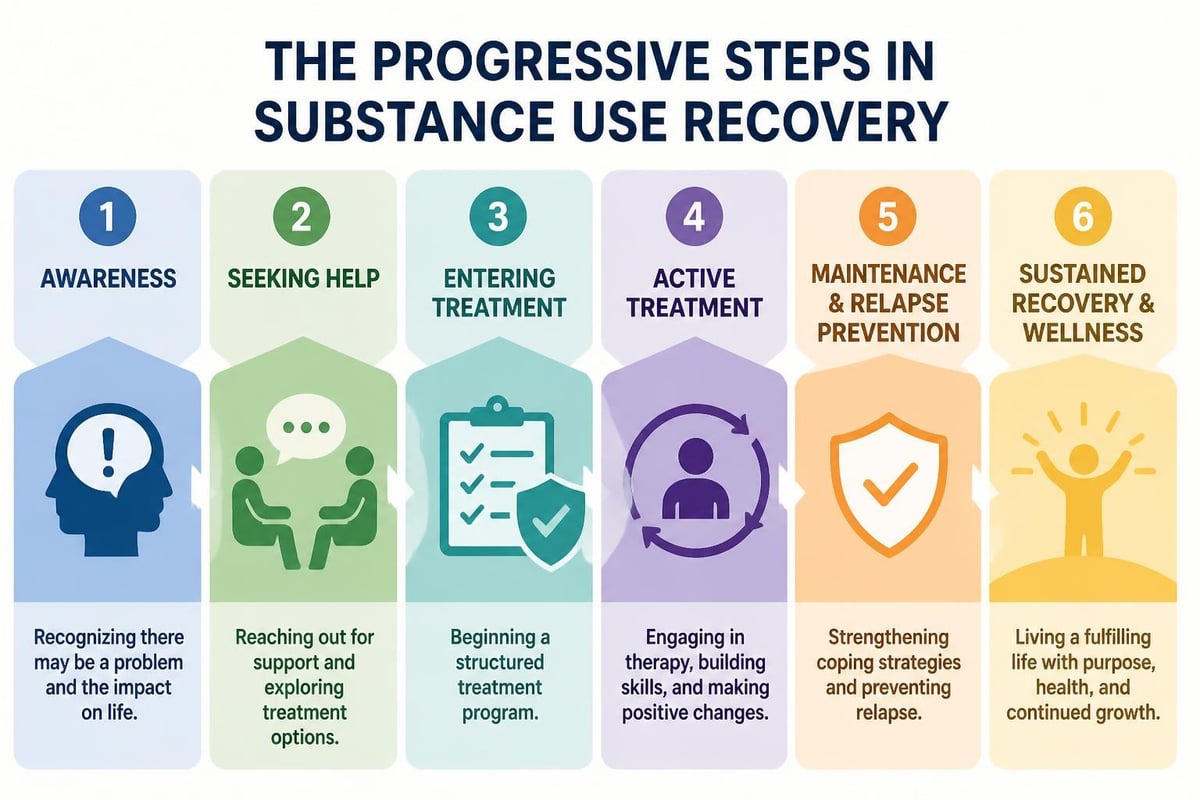
Taking the First Step
Admitting you need help is incredibly brave. Whether you're dealing with substance use yourself or supporting someone who is, reaching out for professional support is a sign of strength, not weakness.
Start by:
- Scheduling an assessment with a qualified therapist
- Being honest about your substance use patterns
- Asking questions about treatment options
- Setting realistic goals for your recovery journey
- Remembering that setbacks don't mean failure
Getting the facts and finding support early can prevent substance use from escalating into more serious problems.
Specialized Care for Complex Needs
Every person's experience with substance use is unique, influenced by their history, mental health, culture, and circumstances. That's why trauma-informed, culturally responsive care matters so much.
Trauma-informed approaches recognize that many people struggling with substance use have experienced trauma. Understanding areas of concern that commonly co-occur with substance use helps therapists provide more effective, compassionate care.
Why Evidence-Based Matters
You'll often hear about "evidence-based" treatments. This simply means approaches that research has proven effective. While every therapeutic relationship is unique, starting with methods that have helped others increases your chances of success.
The combination of CBT, DBT, EMDR, and other proven approaches allows therapists to tailor treatment to your specific needs rather than using a one-size-fits-all approach.
Substance use challenges are deeply personal, but you don't have to face them alone. Understanding the connection between substance use and mental health, recognizing the signs, and knowing effective treatment options are all important steps toward healing. If you're ready to explore recovery in a safe, supportive environment, Théla Psychotherapy Clinic offers trauma-informed care tailored to your unique journey, with services available both in-person in Markham and online throughout Ontario.

Bonny Li
Contact Me
.jpg)