If you're thinking about working with or becoming a drug counselor, you're looking at one of the most rewarding careers in mental health. These professionals work on the front lines of addiction recovery, helping people rebuild their lives one day at a time. Whether you're someone seeking support for substance use challenges or considering this career path, understanding what a drug counselor actually does can make all the difference in your journey.
What Does a Drug Counselor Actually Do?
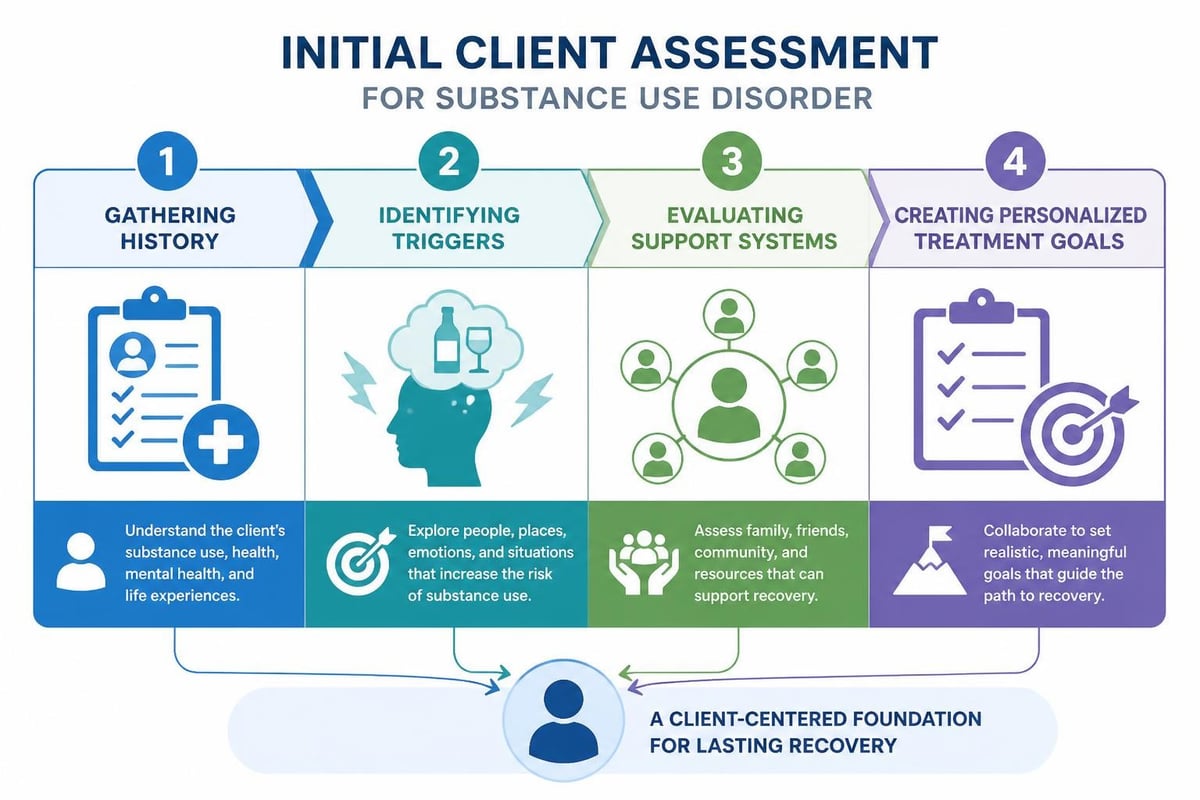
A drug counselor specializes in helping individuals overcome substance use disorders through therapy, education, and ongoing support. Their daily work involves so much more than just talking to clients.
Core Responsibilities
These professionals wear many hats throughout their workday. Drug and alcohol counselors work in various settings, from residential treatment centers to outpatient clinics, each bringing unique challenges and rewards.
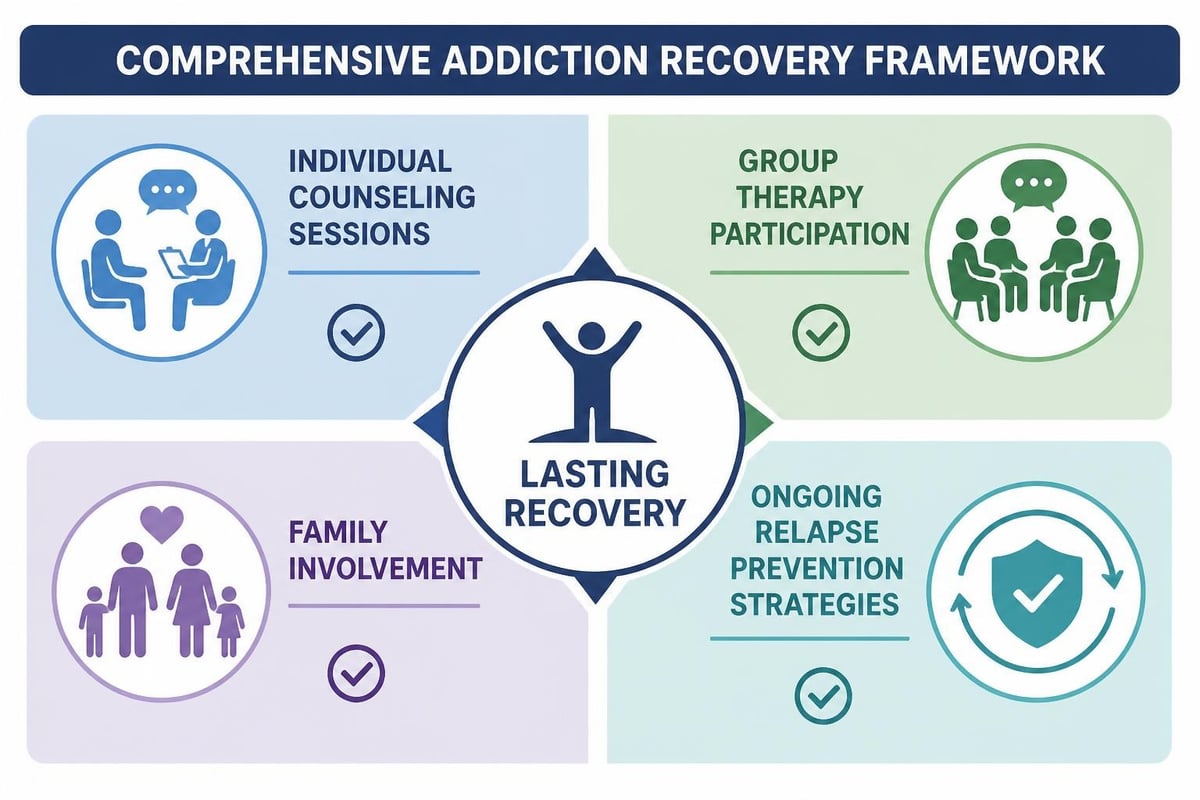
- Individual therapy sessions tailored to each client's recovery needs
- Group counseling that builds community and shared accountability
- Crisis intervention when clients face triggering situations or relapse
- Treatment planning that combines evidence-based approaches with personal goals
- Family education to help loved ones support the recovery process
The work requires genuine empathy paired with professional boundaries. You're celebrating small victories one moment and helping someone through a relapse the next.
Getting Certified: The Path Forward
Becoming a drug counselor requires specific education and training that varies by region. The certification process ensures counselors have both theoretical knowledge and practical experience.
Educational Requirements
Most jurisdictions require at least a bachelor's degree in psychology, social work, counseling, or a related field. Some regions accept associate degrees combined with extensive supervised experience.
North Carolina certification requirements outline comprehensive standards including specific education hours and supervised practice. Similarly, Oklahoma's licensure framework details the qualifications needed for professional practice.
| Requirement Type | Typical Standard | Purpose |
|---|---|---|
| Education | Bachelor's degree or equivalent | Foundation in counseling theory |
| Supervised Hours | 2,000-6,000 hours | Practical skill development |
| Examination | State/provincial exam | Competency verification |
| Continuing Education | 20-40 hours annually | Current practice standards |
Supervised Experience Matters
Clinical supervision is where classroom learning transforms into real-world skills. You'll work directly with clients under the guidance of experienced counselors who provide feedback and mentorship.
Nevada's certification statute specifies the supervised counseling hours required, while Maine's qualifications outline additional examination and fee requirements. These standards protect both counselors and the clients they serve.
Evidence-Based Approaches in Addiction Counseling
Modern drug counselors use therapeutic approaches backed by research and proven effective through clinical practice. At Théla Psychotherapy Clinic, therapists integrate multiple therapeutic approaches to meet each client's unique needs.
Popular Treatment Modalities
Cognitive Behavioral Therapy (CBT) helps clients identify thought patterns that lead to substance use and develop healthier coping strategies. It's practical, structured, and gives people tools they can use immediately.
Dialectical Behavior Therapy (DBT) is particularly effective for clients dealing with intense emotions. The focus on mindfulness and distress tolerance makes it valuable for addiction recovery.
- Motivational interviewing techniques that meet clients where they are
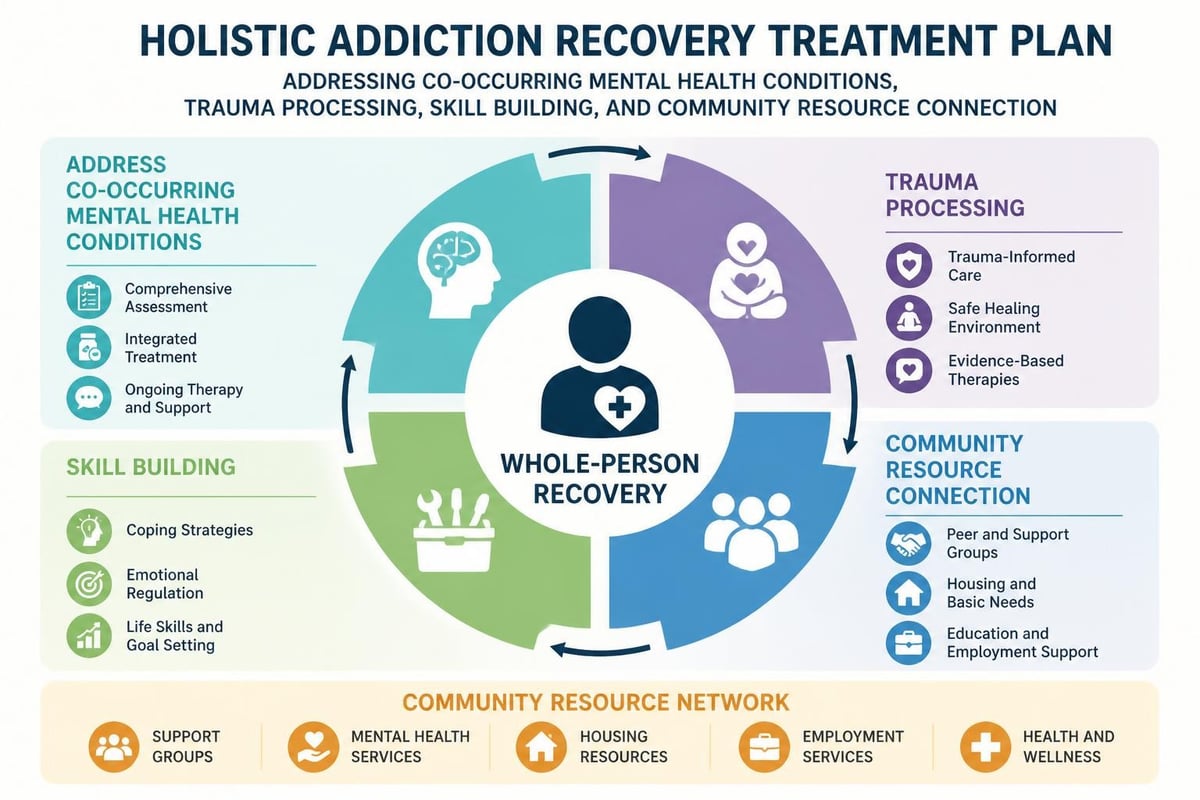
- Trauma-informed care addressing underlying experiences
- Family systems therapy involving loved ones in healing
- Relapse prevention planning for long-term success
Working in Different Settings
Drug counselors find opportunities across various environments, each offering distinct experiences. Your work setting shapes your daily routine and the populations you serve.
Treatment Environments
Residential facilities provide 24/7 support where counselors work with clients living on-site during intensive treatment phases. It's immersive work that builds deep therapeutic relationships.
Outpatient clinics serve clients who maintain their daily lives while attending regular counseling sessions. This setting requires strong organizational skills and flexibility.
Community health centers often serve diverse populations with limited resources, making culturally responsive care essential. The services offered must address multiple barriers to recovery.
The Emotional Landscape of Addiction Counseling
This career demands emotional resilience. You'll witness tremendous growth and heartbreaking setbacks, sometimes within the same week.
Building Sustainable Practice
Self-care isn't optional for drug counselors. Compassion fatigue and burnout are real risks in this field.
- Maintain clear boundaries between your professional and personal life
- Seek regular supervision even after certification requirements are met
- Build a support network of colleagues who understand the work
- Engage in your own therapy to process secondary trauma
- Practice what you preach regarding stress management and wellness
Many counselors find that working at clinics offering affordable therapy programs allows them to serve more diverse populations while maintaining work-life balance.
Connecting with Communities
Effective drug counselors understand that addiction doesn't happen in isolation. Social determinants of health, trauma history, and community resources all impact recovery outcomes.
Culturally Responsive Care
Ontario's diverse population requires counselors who can provide culturally sensitive support. This means understanding how different communities view addiction, mental health, and help-seeking behaviors.
Working with areas of concern like trauma, anxiety, and depression alongside addiction creates comprehensive care. Many people struggling with substance use are also dealing with other mental health challenges.
Career Growth and Specialization
Drug counselors can develop expertise in specific populations or treatment modalities as their careers progress. Some focus on adolescents, others on co-occurring disorders, and many develop specializations in particular therapeutic approaches.
Advanced certifications in EMDR, DBT, or other modalities enhance your effectiveness. Learning how to prepare for EMDR therapy can expand your toolkit for trauma-informed addiction treatment.
| Specialization Area | Focus Population | Additional Training |
|---|---|---|
| Adolescent Services | Teens and young adults | Developmental psychology |
| Co-occurring Disorders | Dual diagnosis clients | Mental health integration |
| Trauma-Informed Care | Trauma survivors | EMDR, somatic therapies |
| Family Systems | Entire family units | Family therapy certification |
The field continues evolving with new research and treatment innovations. Staying current through continuing education keeps your practice effective and engaging.
Finding the Right Support
Whether you're seeking help for yourself or a loved one, finding the right drug counselor makes all the difference. Look for professionals with proper credentials, experience with your specific concerns, and an approach that resonates with you.
Many people benefit from clinics offering multiple service options, from individual therapy to group work. DBT group therapy can complement individual addiction counseling beautifully.
Drug counselors play a vital role in helping people reclaim their lives from addiction, offering hope, practical tools, and unwavering support through recovery's ups and downs. If you're struggling with substance use or looking for comprehensive mental health support in Ontario, Théla Psychotherapy Clinic offers trauma-informed, evidence-based care both in-person in Markham and online across the province. Our team understands that healing happens in safe, supportive spaces where your unique story is honored.

Bonny Li
Contact Me