Finding the right support when you're struggling with depression can feel overwhelming. When you're searching for "depression clinics near me," you're taking a brave first step toward healing. Whether you're dealing with persistent sadness, loss of interest in daily activities, or more severe symptoms, specialized depression clinics offer structured, evidence-based treatment that can make a real difference in your recovery journey. Let's walk through what you should know about finding and choosing the right clinic for your needs.
What Depression Clinics Actually Offer
Depression clinics aren't one-size-fits-all facilities. They range from outpatient centers offering weekly therapy sessions to intensive treatment programs for severe cases.
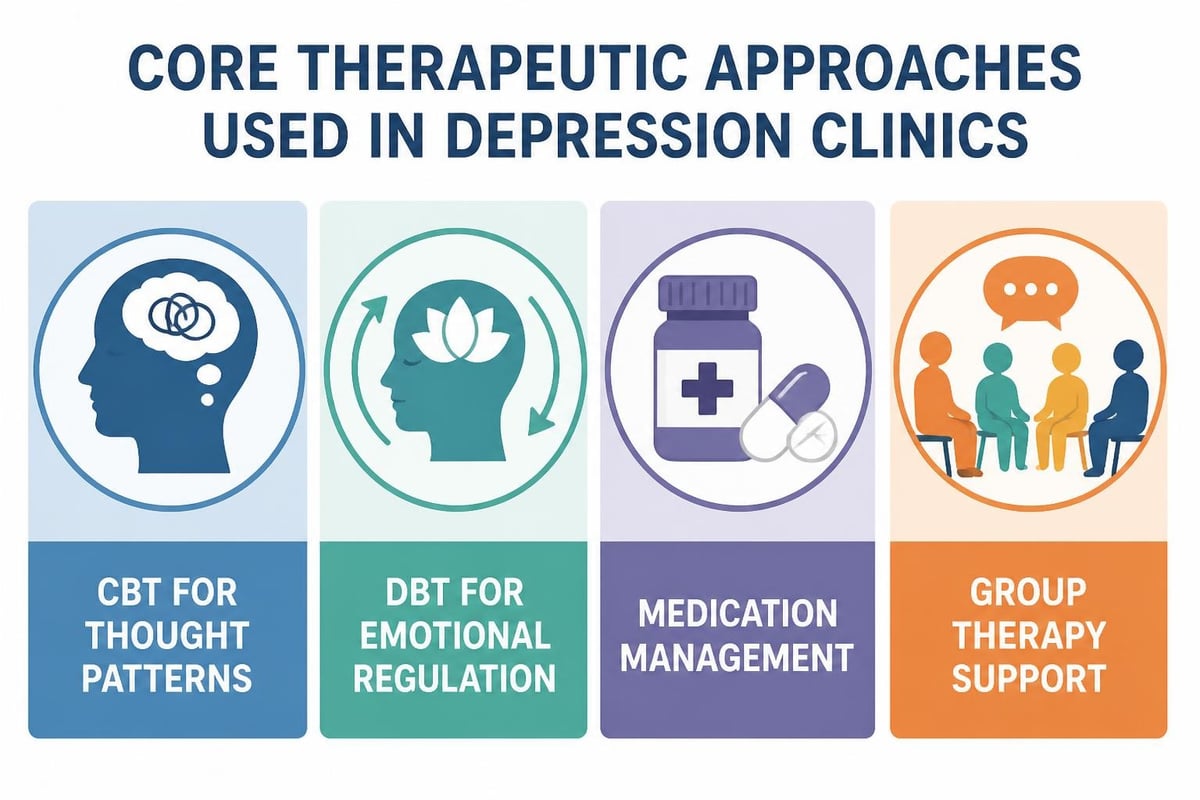
Most depression clinics near me provide a combination of therapeutic approaches. You'll typically find individual therapy sessions using proven methods like Cognitive Behavioral Therapy (CBT), which helps you identify and change negative thought patterns. Many clinics also incorporate Dialectical Behavior Therapy (DBT), especially helpful if you're dealing with emotional regulation challenges alongside depression.
Types of Treatment Programs Available
- Outpatient therapy: Weekly or bi-weekly sessions that fit around your schedule
- Intensive outpatient programs (IOPs): Several hours per day, multiple days per week
- Partial hospitalization programs (PHPs): Full-day treatment while living at home
- Medication management: Psychiatrist consultations for antidepressant prescriptions
- Group therapy: Peer support with others facing similar challenges
The American Psychiatric Association guidelines for depression treatment emphasize creating personalized treatment plans based on your specific symptoms, severity, and personal preferences. This individualized approach means your experience at a depression clinic should feel tailored to your unique situation.
How to Search for Depression Clinics Near Me Effectively
When you're typing "depression clinics near me" into your search bar, you're likely hoping for quick answers. Here's how to make that search more productive.
Start by identifying what type of support you need. Are you looking for traditional talk therapy, or are you interested in exploring newer treatments? Some clinics specialize in innovative approaches like Transcranial Magnetic Stimulation (TMS), which you can explore through resources like TMS.directory or the comprehensive TMS List featuring over 569 verified clinics across North America.
Key Factors to Consider
| Factor | What to Look For | Why It Matters |
|---|---|---|
| Treatment Approaches | Evidence-based therapies (CBT, DBT, EMDR) | Ensures you're getting proven methods |
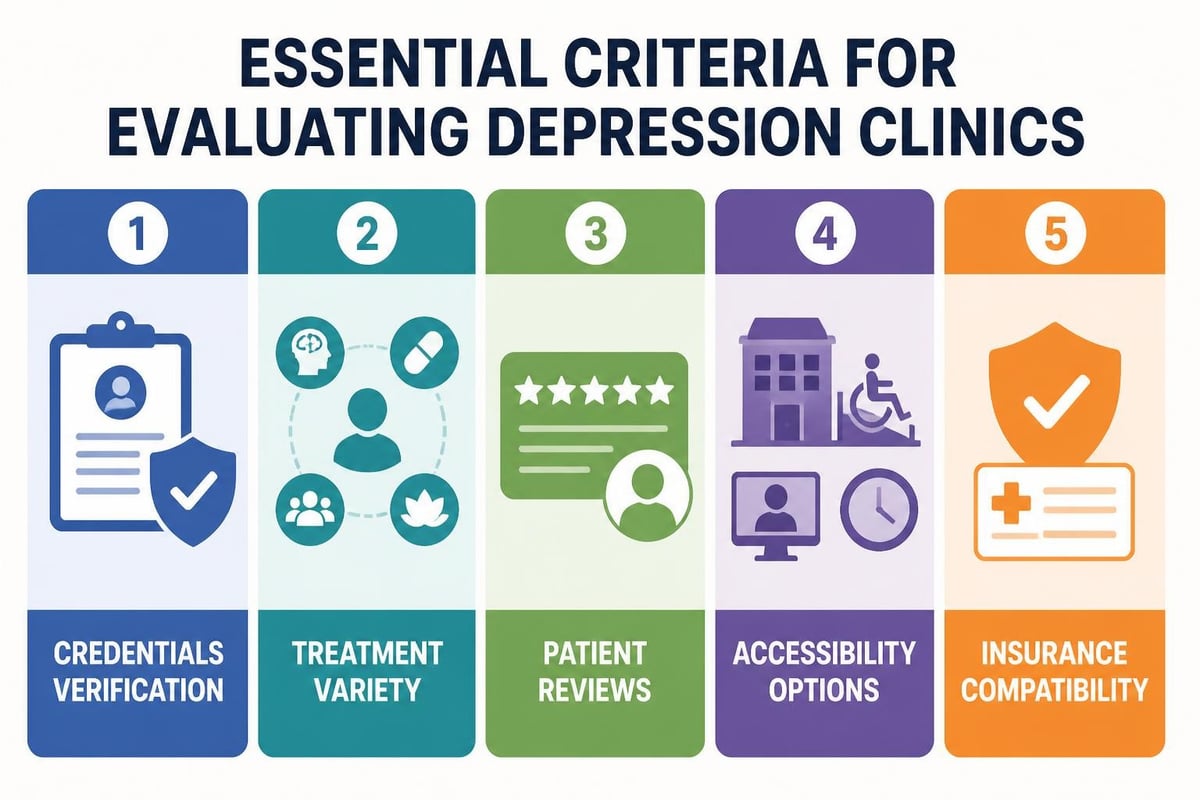
| Credentials | Licensed therapists, psychiatrists | Professional expertise matters for outcomes |
| Accessibility | Virtual options, flexible scheduling | Treatment works best when it fits your life |
| Specializations | Trauma-informed, culturally responsive | Your specific needs deserve specific expertise |
Many people don't realize that psychotherapy for depression can be just as effective as medication for mild to moderate depression, and combining both often yields the best results for severe cases.
Evaluating Treatment Options and Clinic Quality
Not all depression clinics near me offer the same quality of care. You deserve to feel confident in your choice.
Look for clinics that take a comprehensive approach to assessment. Quality facilities will evaluate your complete mental health history, current symptoms, and any co-occurring conditions like anxiety. The NICE guidelines for depression treatment recommend thorough assessments before starting any treatment plan.
Red Flags vs. Green Flags
Watch out for:
- Clinics that promise quick fixes or guaranteed cures
- Limited treatment options (only medication or only talk therapy)
- Difficulty getting information about credentials or approaches
- No options for cultural or linguistic preferences
Look for:
- Transparent information about therapeutic approaches and credentials
- Flexible treatment options that adapt to your progress
- Clear communication about costs and insurance
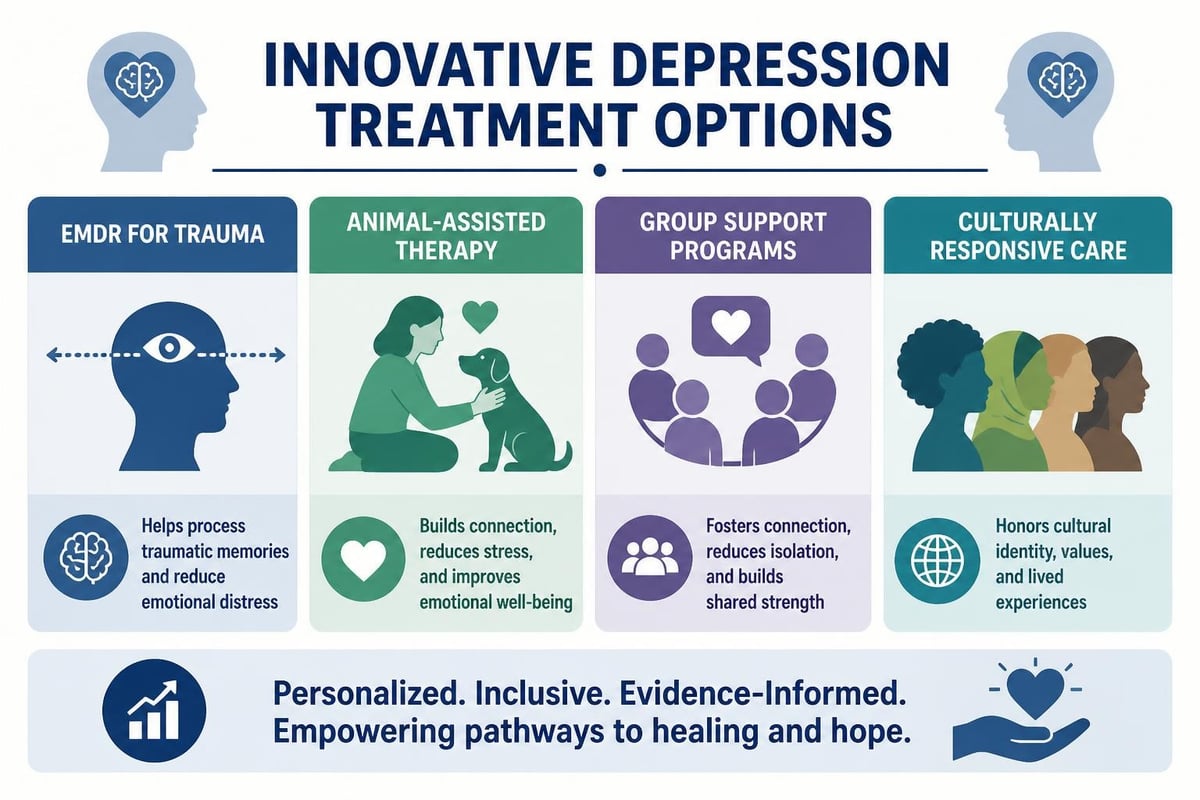
- Trauma-informed and culturally responsive care
For treatment-resistant depression, you might explore specialized options. The Ketamine Atlas helps locate ketamine therapy providers, while SPRAVATO treatment centers offer esketamine therapy for severe cases that haven't responded to traditional treatments.
What to Expect During Your First Visit
Walking into a depression clinic for the first time can feel intimidating. Here's what typically happens so you can feel prepared.
- Initial intake assessment: You'll complete questionnaires about your symptoms, history, and current functioning
- Diagnostic interview: A therapist or psychiatrist will ask detailed questions about your experiences
- Treatment planning: Together, you'll discuss options and create a personalized plan
- Scheduling: Setting up regular appointments that work with your schedule
Most clinics understand that finding a therapist for anxiety and depression involves finding the right fit. Don't hesitate to ask questions about their approach, experience with cases like yours, and what success looks like.
Making Treatment Accessible and Sustainable
Cost shouldn't be a barrier to getting help for depression. When searching for depression clinics near me, consider these accessibility factors.
Many clinics now offer virtual therapy sessions, expanding your options beyond just facilities in your immediate area. In Ontario, for example, you can access quality care online from anywhere in the province. Check if clinics offer affordable therapy programs or sliding scale fees based on income.
Insurance and Payment Options
- Extended health insurance often covers psychotherapy
- Some clinics offer direct billing to insurance companies
- Employee assistance programs (EAPs) may provide free sessions
- Community health centers sometimes offer free or low-cost services
- Payment plans can make private therapy more manageable
The government's treatment finder can help you locate facilities that accept various insurance types and offer financial assistance programs.
Specialized Services That Make a Difference
Beyond standard therapy, many depression clinics near me now offer innovative approaches that might resonate with you.
Some facilities integrate holistic methods like canine support therapy, which research shows can reduce symptoms of depression and anxiety. Others specialize in specific populations, whether that's teens, older adults, or specific cultural communities.
If you've experienced trauma that contributes to your depression, look for clinics offering EMDR (Eye Movement Desensitization and Reprocessing). You can learn about how EMDR helps heal trauma and whether it might be right for you.
Questions to Ask Before Committing
- What's your experience treating depression similar to mine?
- Which evidence-based approaches do you use?
- How do you measure progress and adjust treatment?
- What happens if I'm not improving with the current approach?
- Do you offer both individual and group therapy options?
Remember, you're interviewing the clinic as much as they're assessing you. The right depression clinic will welcome your questions and make you feel like a partner in your treatment, not just a patient receiving care.
Finding quality depression treatment starts with knowing what to look for and feeling empowered to ask the right questions. Whether you choose traditional therapy, explore innovative treatments, or combine multiple approaches, the most important step is reaching out for support. Théla Psychotherapy Clinic offers trauma-informed, culturally responsive care using evidence-based approaches like CBT, DBT, EMDR, and EFT, with both in-person sessions in Markham and virtual therapy across Ontario. Your path to healing is uniquely yours, and finding the right therapeutic partnership can make all the difference in your recovery journey.

Bonny Li
Contact Me