Building meaningful connections doesn't happen by accident. Whether you're working through relationship challenges or simply want to deepen your existing bonds, learning how to connect relationship patterns with emotional needs can transform how you interact with the people you care about most. As we navigate an increasingly digital world in 2026, the ability to truly connect feels both more essential and more challenging than ever before.
Understanding What It Means to Connect Relationship Dynamics
When we talk about the ability to connect relationship experiences with deeper understanding, we're really discussing emotional attunement. It's that moment when you feel genuinely seen by your partner, friend, or family member.
This kind of connection involves several key elements:
- Emotional availability and willingness to be vulnerable
- Active listening without judgment or interruption
- Recognizing patterns that either bring you together or push you apart
- Honoring both your needs and your partner's needs simultaneously
The Stanford course on building exceptional relationships emphasizes that connection isn't just about spending time together. It's about the quality of presence you bring to those moments.
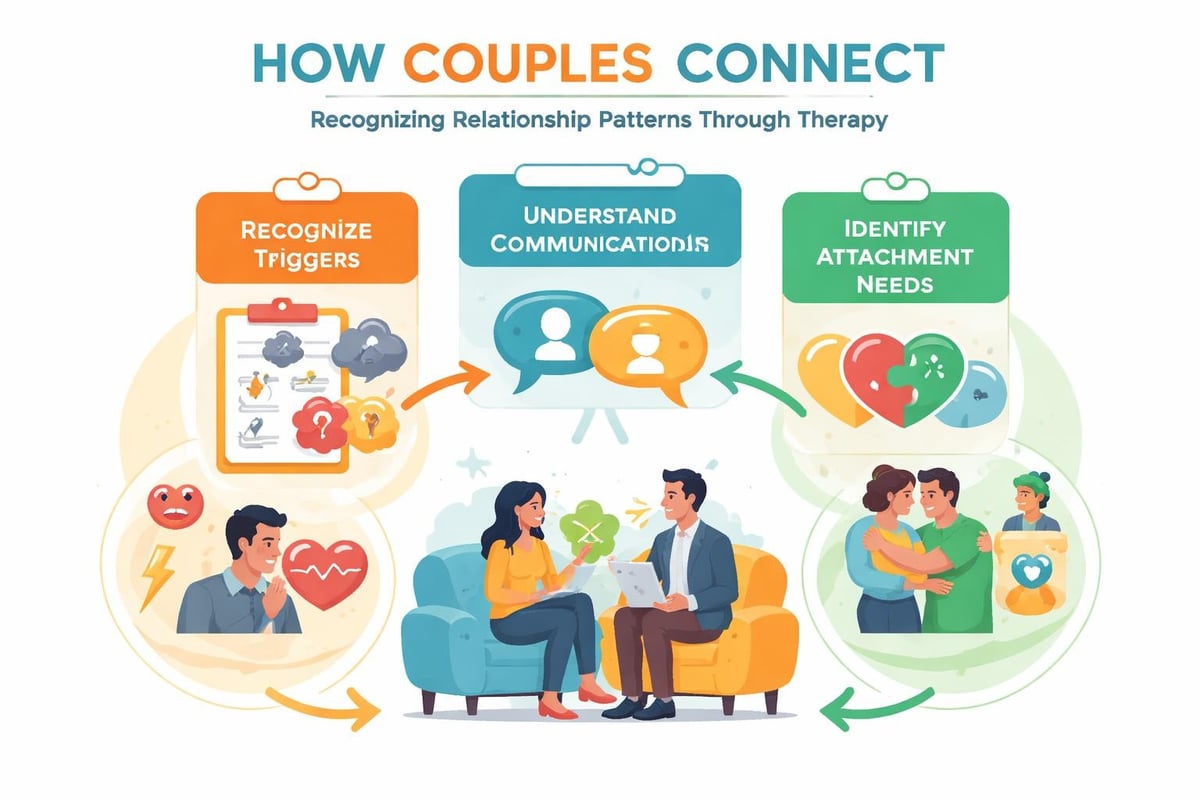
The Science Behind Emotional Connection
Research shows that our brains are literally wired for connection. When we successfully connect relationship experiences with emotional safety, our nervous systems calm down. We release oxytocin, the bonding hormone that helps us feel closer to others.
But here's the thing: trauma, anxiety, and past relationship wounds can disrupt this natural process. That's where therapeutic support becomes crucial. At Théla Psychotherapy Clinic, trauma-informed approaches help people understand why they struggle to connect and what they can do about it.
Practical Ways to Connect Relationship Needs With Daily Actions
Theory is great, but let's get practical. How do you actually strengthen your ability to connect relationship goals with everyday behavior?
Create Intentional Connection Rituals
| Ritual Type | Frequency | Example |
|---|---|---|
| Morning check-in | Daily | Share one thing you're looking forward to |
| Technology-free time | Daily | 30 minutes of undistracted conversation |
| Weekly relationship meeting | Weekly | Discuss what's working and what needs attention |
| Monthly adventure | Monthly | Try something new together |
These structured moments give you consistent opportunities to connect relationship intentions with actions. Tools like Connected Couples app can provide daily prompts that spark meaningful conversations beyond surface-level chat.
Address Communication Barriers Head-On
You can't connect relationship needs if you're not talking about them. Many couples fall into patterns where they talk at each other instead of with each other.
Common barriers include:
- Defensiveness when receiving feedback
- Stonewalling during difficult conversations
- Criticism disguised as concern
- Contempt that erodes respect over time
Couples therapy specifically addresses these patterns using approaches like Emotionally Focused Therapy (EFT), which helps partners understand the emotional needs driving their behaviors.
When Past Wounds Make It Hard to Connect
Sometimes the challenge isn't your current relationship. It's the baggage you're bringing from previous experiences. Understanding and healing relationship trauma is essential if you find yourself repeating the same patterns across different relationships.
Recognizing Trauma's Impact on Connection
Relationship trauma can show up as:
- Difficulty trusting even when your partner is trustworthy
- Hypervigilance to signs of rejection or abandonment
- Shutting down emotionally when conflict arises
- Sabotaging good relationships because they feel unfamiliar
When trauma responses are active, your ability to connect relationship experiences with present reality gets compromised. You might react to your current partner based on what an ex did years ago.
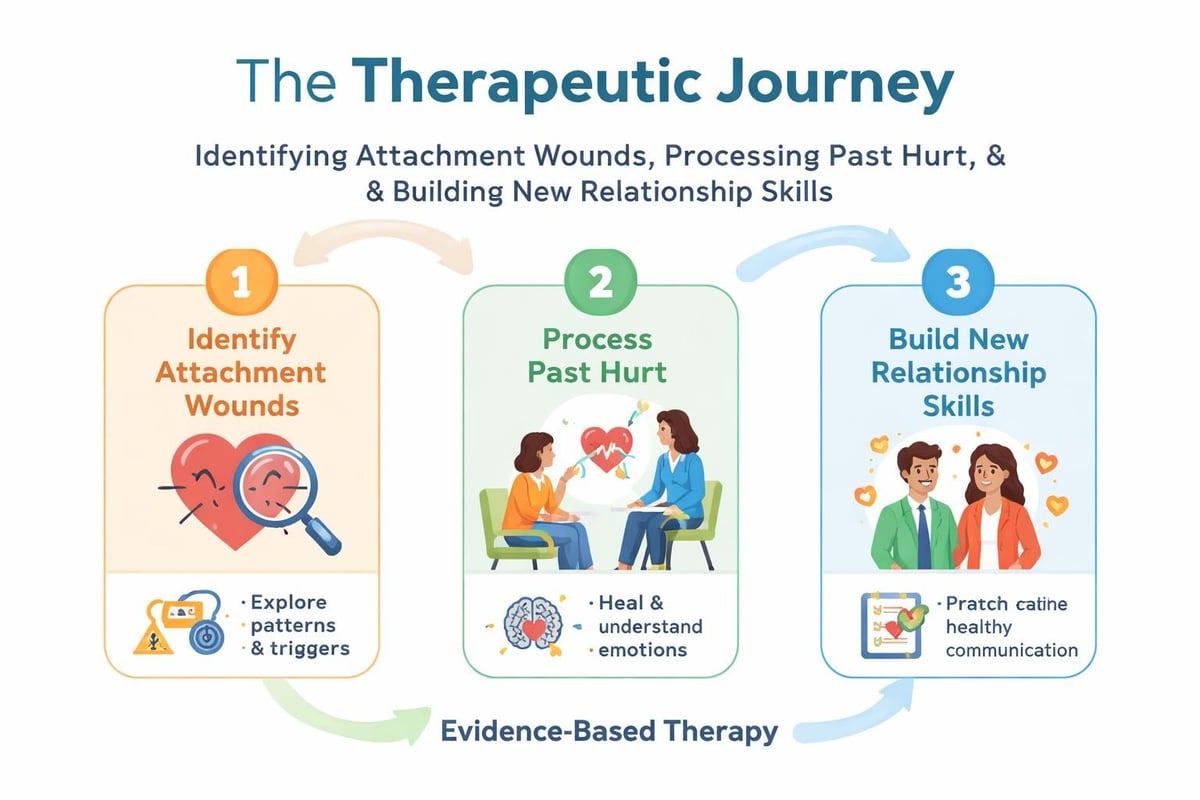
EMDR therapy and other trauma-focused approaches help process these old wounds so they stop interfering with your present relationships. The services offered at Théla include specialized trauma therapy that creates the safety needed for this deep work.
Building Self-Connection First
Here's something most people don't realize: you can't truly connect relationship needs with others until you connect with yourself first. Improving your self-relationship is foundational work.
Self-connection practices include:
- Regular self-reflection without judgment
- Identifying and honoring your own boundaries
- Understanding your attachment style and needs
- Developing emotional regulation skills
- Practicing self-compassion when you make mistakes
The Connection Cards app offers prompts that work well for both self-reflection and partner conversations, helping you explore thoughts and feelings you might not otherwise access.
Moving From Disconnection to Deep Connection
If you're feeling disconnected right now, that's actually valuable information. Disconnection isn't the problem; it's the signal that something needs attention.
Programs like Couples Connect emphasize that building resilient relationships requires community support, not just individual effort. Sometimes seeing how other couples navigate challenges normalizes your own struggles and provides fresh perspectives.
The Role of Professional Support
Working with a therapist who specializes in relationships can accelerate your progress dramatically. Shira Hearn's approach to radical relationship transformation emphasizes structured, direct work that changes patterns rather than just talking about them endlessly.
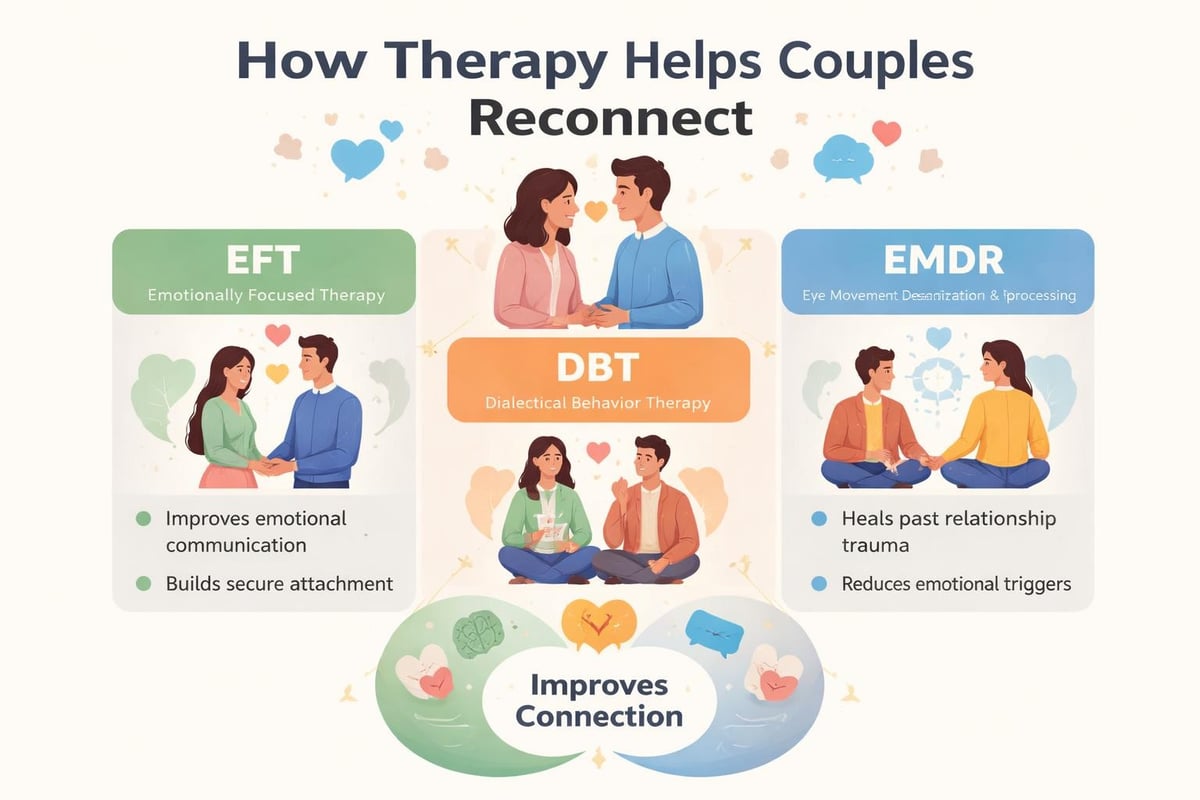
| Therapy Approach | Best For | Key Benefit |
|---|---|---|
| EFT | Emotional disconnection | Rebuilds attachment bonds |
| DBT | Emotion regulation issues | Develops distress tolerance skills |
| EMDR | Trauma responses | Processes past wounds |
| CBT | Negative thought patterns | Changes unhelpful beliefs |
Different approaches work for different people, which is why culturally responsive, tailored therapy matters so much.
The Connection-Focused Relationship
What does a relationship look like when both people prioritize connection? It's not perfect-no relationship is. But it's resilient. When conflicts arise, you have the tools to work through them. When life gets stressful, you turn toward each other instead of away.
You'll know you're successfully learning to connect relationship patterns when:
- Conflicts feel productive rather than destructive
- You can repair after arguments more quickly
- Vulnerability feels safer over time
- You notice and appreciate small moments of connection
- Your partner becomes your secure base during stress
The Relationships Project's collaborative spaces offer additional resources for ongoing learning and connection, reminding us that relationship growth is a lifelong journey.
This work takes courage, especially if opening up hasn't felt safe in the past. But on the other side of that vulnerability is the kind of connection that makes life richer, more meaningful, and infinitely more rewarding.
Learning to connect relationship patterns with emotional needs transforms not just your partnerships, but your entire experience of intimacy and belonging. Whether you're navigating challenges in your current relationship or healing from past wounds, professional support can make all the difference. Théla Psychotherapy Clinic offers trauma-informed, evidence-based therapy both in-person in Markham and online across Ontario, creating a safe space where you can build the connection skills that matter most.

Bonny Li
Contact Me
.jpg)