Struggling to reconnect with your partner or facing the same arguments again and again? You are not alone; many couples encounter these challenges.
This guide offers relationship help for couples, providing essential, up-to-date strategies to foster healthy partnerships in 2026.
Inside, you will discover practical ways to understand modern relationship dynamics, master communication, resolve conflicts, rebuild trust, and maintain connection over time.
With expert-backed advice and actionable steps, you can strengthen your bond and build a resilient relationship. Let’s explore the path to a more fulfilling partnership together.
Understanding Modern Relationship Dynamics
Navigating relationships in 2026 means facing new dynamics shaped by technology, shifting social norms, and evolving expectations. For those seeking relationship help for couples, understanding these changes is the first step to building a resilient partnership.
Shifting Expectations in 2026
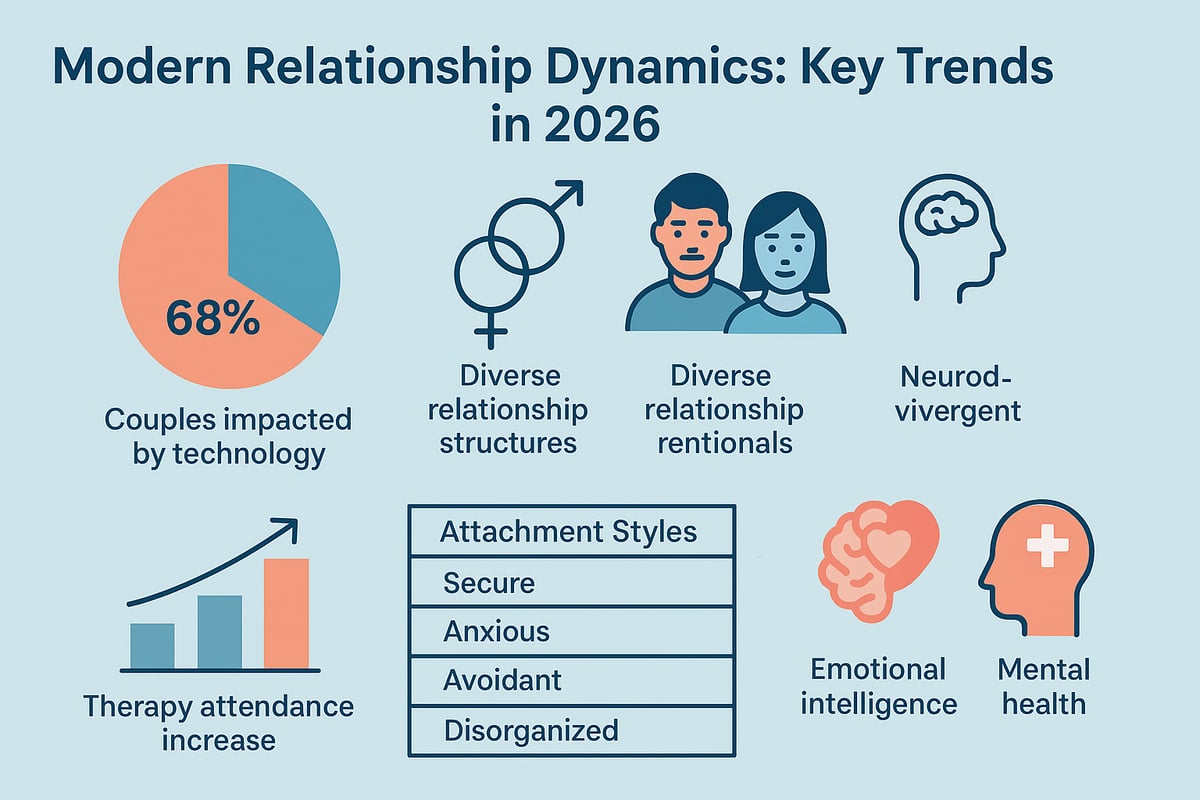
Couples today place a greater emphasis on equality, shared responsibilities, and open communication. The influence of technology and remote work has blurred boundaries between personal and professional life, making intentional connection more important. Diverse relationship structures are more visible, and inclusivity has become a core value.
Many couples now prioritize mental health and emotional intelligence as essential relationship skills. According to Pew Research (2024), 68% of couples report that technology impacts their relationship help for couples, highlighting the need for new strategies to stay connected.
Common Relationship Challenges
Modern couples encounter a range of challenges that can test their connection:
-
Communication breakdowns and emotional distance
-
Financial stress and differing money management styles
-
Navigating cultural, religious, or family differences
-
Coping with external stressors like career, health, and parenting
Post-pandemic, increased anxiety and burnout have become common, making relationship help for couples even more crucial for maintaining a healthy bond.
The Importance of Emotional Intelligence
Recognizing and regulating emotions within a partnership is a critical skill in 2026. Empathy, the ability to understand and share feelings, strongly predicts relationship satisfaction.
Couples who practice emotional validation experience 30% higher satisfaction according to the Gottman Institute (2023). Building emotional intelligence helps partners navigate conflicts and foster a deeper connection.
Attachment Styles and Relationship Patterns
Attachment theory explains how early experiences shape adult relationships. The four main attachment styles are:
|
Attachment Style |
Key Traits |
|---|---|
|
Secure |
Trusting, resilient |
|
Anxious |
Seek reassurance, worry |
|
Avoidant |
Value independence |
|
Disorganized |
Mixed signals, confusion |
Identifying your attachment style can help you recognize patterns and seek relationship help for couples when needed, especially if past experiences influence current behaviors.
The Role of Mental Health
Mental health is a central factor in modern relationships. Anxiety, depression, and trauma are increasingly prevalent, yet stigma is decreasing as more couples have open conversations about these challenges.
For example, couples therapy attendance increased by 25% in Canada between 2022 and 2024. This trend mirrors findings from a Survey on Couples Therapy Participation, which shows growing acceptance of therapy as a valuable form of relationship help for couples.
Mastering Healthy Communication
Healthy communication is the cornerstone of every strong partnership. For couples seeking relationship help for couples, mastering these skills can transform daily interactions and deepen connection. Let us explore the practical strategies that empower couples to communicate more effectively, even when life feels overwhelming.
Foundations of Effective Communication
Effective communication starts with genuinely listening to your partner. Active listening means focusing on their words, tone, and body language. Using “I” statements rather than blame language helps avoid defensiveness and fosters understanding. For example, saying “I feel unheard when...” invites empathy.
Clarifying meaning and checking for understanding are powerful tools. When couples practice these behaviors, they resolve conflicts faster and reduce misunderstandings. Remember, relationship help for couples begins with building a safe environment where both voices are valued.
Overcoming Communication Barriers
Common barriers include distractions, defensiveness, and digital interruptions. Recognizing triggers and understanding your own communication style is crucial. Addressing stonewalling, or shutting down during conflict, can help prevent emotional distance.
Digital devices are a frequent source of tension. In fact, 42% of couples cite these as barriers to meaningful conversation. Prioritizing relationship help for couples means setting aside technology and being fully present during important discussions.
Tools and Exercises for Couples
Practical exercises can greatly enhance connection. Daily check-ins and emotional temperature readings keep partners informed about each other's feelings. The “speaker-listener” technique encourages both people to share and listen without interruption.
Scheduled “relationship meetings” provide space to discuss issues proactively. Studies show that weekly check-ins lead to a 20% drop in unresolved problems. These simple practices are effective forms of relationship help for couples, fostering trust and collaboration.
Navigating Difficult Conversations
Approaching sensitive topics with care is essential. Choose the right time and use empathy to guide the discussion. Setting boundaries and agreeing on “fair fighting” rules ensure both partners feel respected.
When conflict arises, repair attempts and de-escalation strategies can prevent escalation. Relationship help for couples often involves learning to pause, reflect, and return to the conversation with patience and understanding.
Communication in Diverse Relationships
Every couple is unique, and communication needs may differ based on cultural background, neurodivergence, or LGBTQ+ identity. Adapt strategies to fit your relationship context. For instance, neurodivergent couples may benefit from visual aids or written communication.
Embracing diversity means being open to new approaches and respecting each other’s needs. This flexibility strengthens communication and builds a more inclusive partnership.
Professional Couples Counselling: When and Why to Seek Help
Sometimes, self-help strategies are not enough. Professional support can make a significant difference, especially for couples facing persistent challenges. Trauma-informed, culturally responsive therapy provides relationship help for couples who need expert guidance.

Théla Psychotherapy Clinic in Ontario offers evidence-based approaches like CBT, EFT, and EMDR. Flexible, accessible sessions help couples rebuild trust and connection. Seeking help is a sign of strength and commitment to the relationship.
Resolving Conflict Constructively
Conflict is a natural part of any partnership, but how couples handle disagreements can make all the difference. Seeking relationship help for couples is essential to transform conflict into opportunities for growth and understanding. With structured support, couples can learn to address issues constructively and build stronger bonds.
Understanding the Roots of Conflict
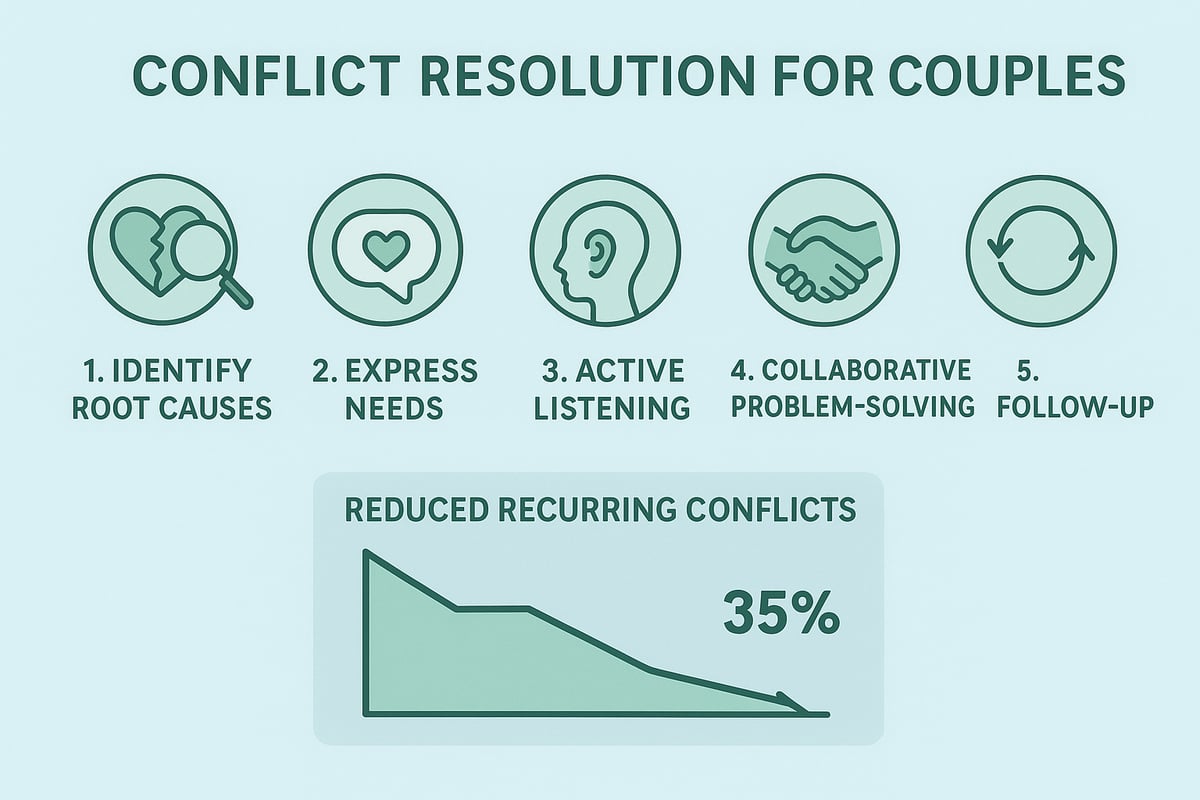
Many couples experience recurring disagreements, often stemming from unmet needs, value clashes, or miscommunication. Recognizing these patterns is a crucial step in relationship help for couples.
Some conflicts are solvable, like household chores or scheduling, while others, such as personality differences, may be perpetual. Distinguishing between the two helps couples focus their energy productively.
Becoming aware of these root causes lays the groundwork for healthier resolution strategies.
Step-by-Step Conflict Resolution Process
A structured approach empowers couples to address disagreements with clarity. Relationship help for couples often involves the following steps:
|
Step |
Action |
|---|---|
|
1 |
Identify the core issue without blame |
|
2 |
Express feelings and needs calmly |
|
3 |
Listen and validate each perspective |
|
4 |
Brainstorm solutions collaboratively |
|
5 |
Agree on actionable steps and follow up |
If challenges persist, seeking professional support can be invaluable. According to the SAMHSA 2024 Mental Health Services Report, more couples are accessing counseling for structured guidance in conflict resolution.
Managing Emotions During Arguments
Emotional escalation can derail even the most well-intentioned discussions. Relationship help for couples emphasizes recognizing when emotions are rising.
Simple techniques such as deep breathing, grounding exercises, or calling a time-out can prevent hurtful exchanges. Couples who manage their emotions effectively during arguments often report fewer regrets and faster recovery.
Building emotional awareness is a skill that benefits both partners in the long run.
Repairing After Conflict
Restoring safety and trust is vital after disagreements. Relationship help for couples includes practicing sincere apologies, forgiveness, and intentional reconnection.
Small rituals, like “repair talks” or gentle gestures, help rebuild intimacy. Consistently making amends and moving forward together strengthens the partnership.
Forgiveness and follow-up are as important as the resolution itself.
Preventing Recurring Conflicts
Proactive strategies reduce the likelihood of repeated disputes. Establishing shared values, holding regular check-ins, and addressing concerns early can make a significant difference.
Preventative communication strategies are linked to a 35% reduction in recurring fights. Investing in these habits helps couples create a more harmonious relationship journey.
Rebuilding Trust and Intimacy
Trust and intimacy are at the heart of every strong partnership. When these are damaged, couples often seek relationship help for couples to heal and reconnect. Rebuilding is possible, but it requires time, effort, and a shared commitment to positive change.
Causes of Broken Trust
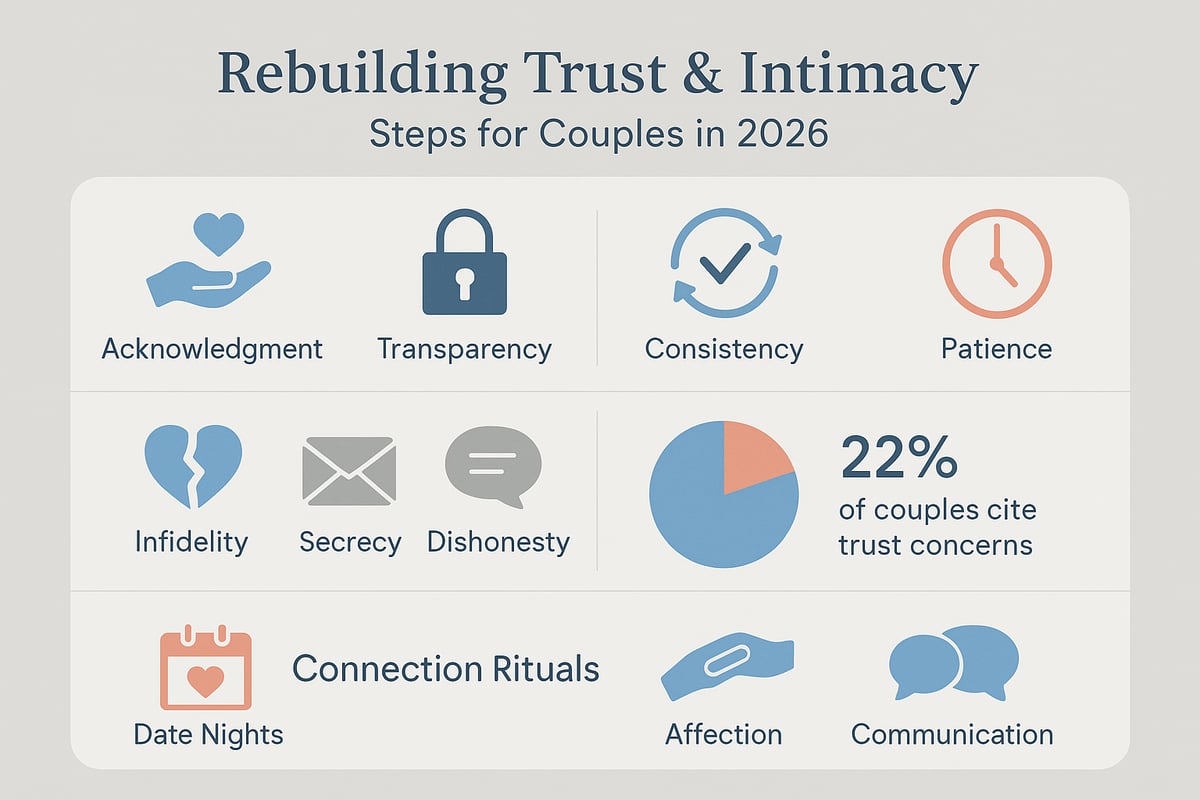
Broken trust can stem from various challenges. Common causes include infidelity, repeated dishonesty, and secrecy. Other factors, such as the impact of trauma or addiction, can also create rifts between partners. Research shows that 22% of couples cite trust issues as their primary relationship concern (APA, 2023).
Sometimes, relationship help for couples is needed when trust is undermined not by a single event, but by a pattern of unmet expectations or unresolved pain. Recognizing the root cause is the first step toward meaningful repair.
Steps to Rebuild Trust
Restoring trust is a journey rather than a single act. For couples seeking relationship help for couples, the following steps can provide a roadmap:
-
Open acknowledgment of the breach or hurt.
-
Transparent communication about what happened and why.
-
Accountability for actions, including sincere apologies.
-
Consistent follow-through on new agreements or boundaries.
-
Patience, as trust is rebuilt gradually over time.
Staying committed to these steps increases the likelihood of genuine healing and renewed partnership.
Rekindling Emotional and Physical Intimacy
Intimacy often fades when trust is broken, but it can be rekindled with intention. Couples who prioritize regular connection rituals—such as weekly date nights, daily gestures of affection, or shared hobbies—tend to report higher satisfaction.
Addressing mismatched libidos and discussing intimacy needs openly are key components of relationship help for couples. Research shows that couples who schedule time for intimacy experience stronger emotional bonds and renewed physical closeness.
Navigating Forgiveness and Boundaries
Forgiveness is a process that unfolds over time. It involves acknowledging pain, expressing emotions, and gradually letting go of resentment. Creating new boundaries is essential for restoring safety and respect within the relationship.
Relationship help for couples may also include deciding when external support is necessary, especially if trust cannot be rebuilt independently. Knowing your limits and seeking guidance can prevent further hurt.
The Role of Therapy in Trust Recovery
Professional support can be transformative for couples working to rebuild trust and intimacy. Trauma-informed therapy helps address deep-rooted issues, while structured guidance fosters healthier patterns.
The growing awareness of proactive relationship help for couples is reflected in the rise in premarital therapy among couples, showing that more partners value early intervention and expert support. Therapy can provide a safe space to rebuild trust, strengthen communication, and lay the foundation for lasting connection.
Maintaining Connection Over the Long Term
Staying connected in a long-term relationship takes intention and effort. Relationship help for couples is not a one-time fix but an ongoing process. Prioritizing your partnership, even with life’s demands, is essential for building resilience and satisfaction.
Prioritizing the Relationship Amid Busy Lives
Modern life is busy, making it easy for couples to drift apart. Scheduling regular quality time, such as shared meals or walks, helps maintain closeness. Relationship help for couples often starts with small, consistent efforts to stay present.
Balancing work, family, and personal interests requires honest conversations about needs and boundaries. Using calendars to set aside couple time can turn intention into action. Even brief daily check-ins strengthen emotional bonds.
Growth Mindset for Couples
Couples who view challenges as opportunities for growth tend to be more resilient. Adopting a growth mindset means embracing change and learning together. Regularly updating relationship goals keeps both partners aligned and motivated.
Discussing dreams, values, and future plans helps couples grow side by side. This positive outlook fosters adaptability when life throws curveballs.
Preventing Relationship Burnout
Relationship burnout can creep in when stress and routine take over. Practicing self-care is crucial for both partners and the partnership itself. Couples who engage in self-care together, such as exercising or relaxing rituals, report less burnout.
Recognizing early signs like irritability or withdrawal allows couples to address issues before they escalate. Relationship help for couples includes learning to pace themselves and recharge regularly.
Keeping Romance and Playfulness Alive
Romance and play are vital for long-term satisfaction. Small gestures of appreciation, surprise notes, or spontaneous outings keep the spark alive. Incorporating humor and novelty into daily routines can break up monotony.
Trying new activities together, from cooking classes to weekend adventures, builds shared memories. Playfulness encourages connection and joy beyond daily responsibilities.
Navigating Life Transitions Together
Major life changes, such as moves, new jobs, parenthood, or aging, test a couple’s adaptability. Supporting each other during transitions strengthens the partnership’s foundation. Couples who adapt together have a 40% higher relationship longevity rate.
Open communication and flexibility are essential. Relationship help for couples means facing new chapters as a team, ready to adjust and grow with each change.
Building a Support Network
No couple thrives in isolation. Building a support network of friends, family, or community resources offers encouragement and perspective. Knowing when to seek external support can add strength during difficult times.
Relationship help for couples may include joining support groups or reaching out to professionals when needed. Surrounding your relationship with positive influences creates a buffer against stress and setbacks.
If you and your partner are ready to put these strategies into practice and truly strengthen your connection, specialized support can make all the difference. At Théla Psychotherapy Clinic, we blend trauma informed and culturally responsive care with evidence based approaches, ensuring you feel understood and supported every step of the way. Whether you are facing communication hurdles, trust issues, or simply want to nurture your relationship for the long term, you do not have to do it alone. Take the first step toward a healthier partnership—Book Your Free Consultation Appointment Now.

Bonny Li
Contact Me
.jpg)