Finding the right therapist is hard enough without worrying about the cost. That's where insurance covered therapy comes in, offering a financial lifeline for people seeking mental health support. In Ontario, understanding how your benefits work can mean the difference between starting your healing journey now or postponing it until "someday." Let's break down everything you need to know about getting your therapy sessions covered in 2026.
What Insurance Covered Therapy Actually Means
When we talk about insurance covered therapy, we're referring to psychotherapy services that your health benefits plan will partially or fully reimburse. Unlike some specialized treatments that face coverage challenges similar to why vision therapy often isn't covered, mental health counselling has become increasingly recognized as essential healthcare.
In Ontario, most employer-sponsored health plans include coverage for Registered Psychotherapists (RP), psychologists, and other mental health professionals. The amount varies widely, though. Some plans cover up to $3,000 per year, while others might cap at $500.
Types of Plans That Cover Therapy
Here's what you're likely working with:
- Extended health benefits through your employer
- Employee assistance programs (EAP) offering short-term counselling
- Professional association benefits if you're self-employed
- Student health plans for post-secondary students
- Union benefits with negotiated mental health coverage
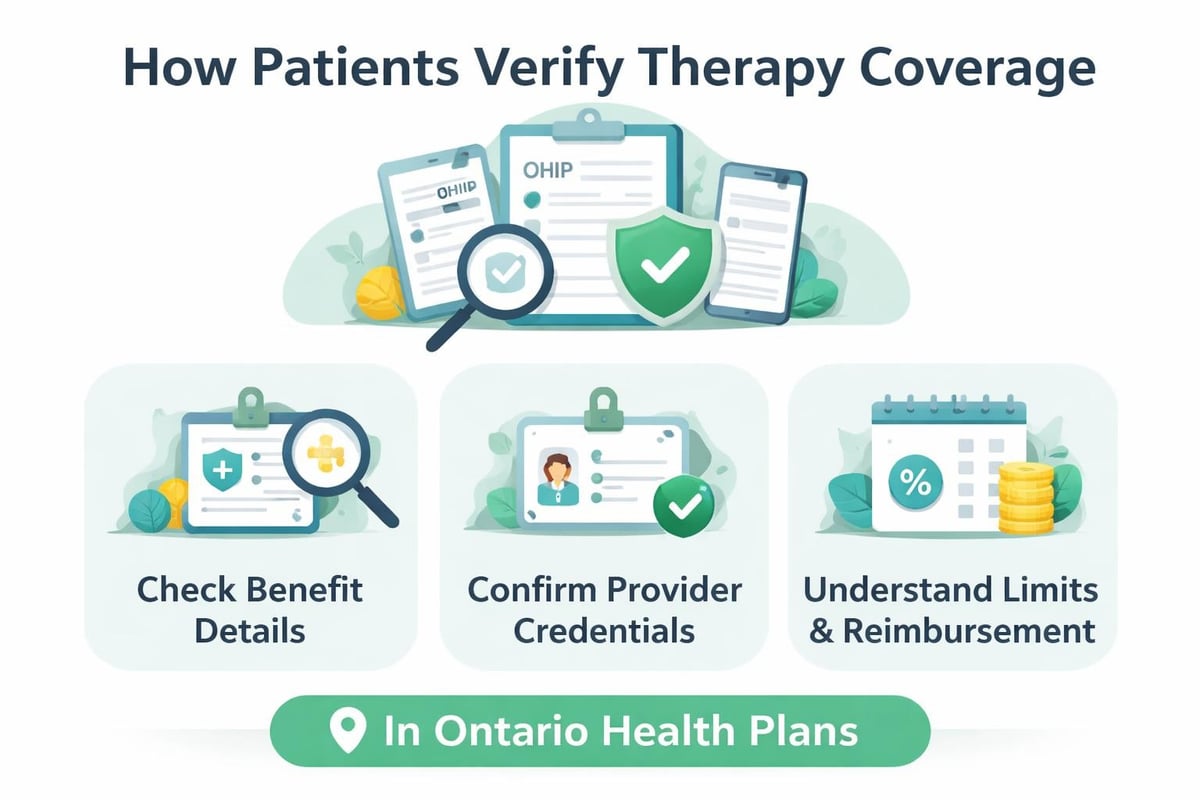
Navigating Your Coverage in Ontario
Not all therapists accept insurance the same way. At Théla Psychotherapy Clinic, understanding the difference between direct billing and self-submission can save you time and hassle.
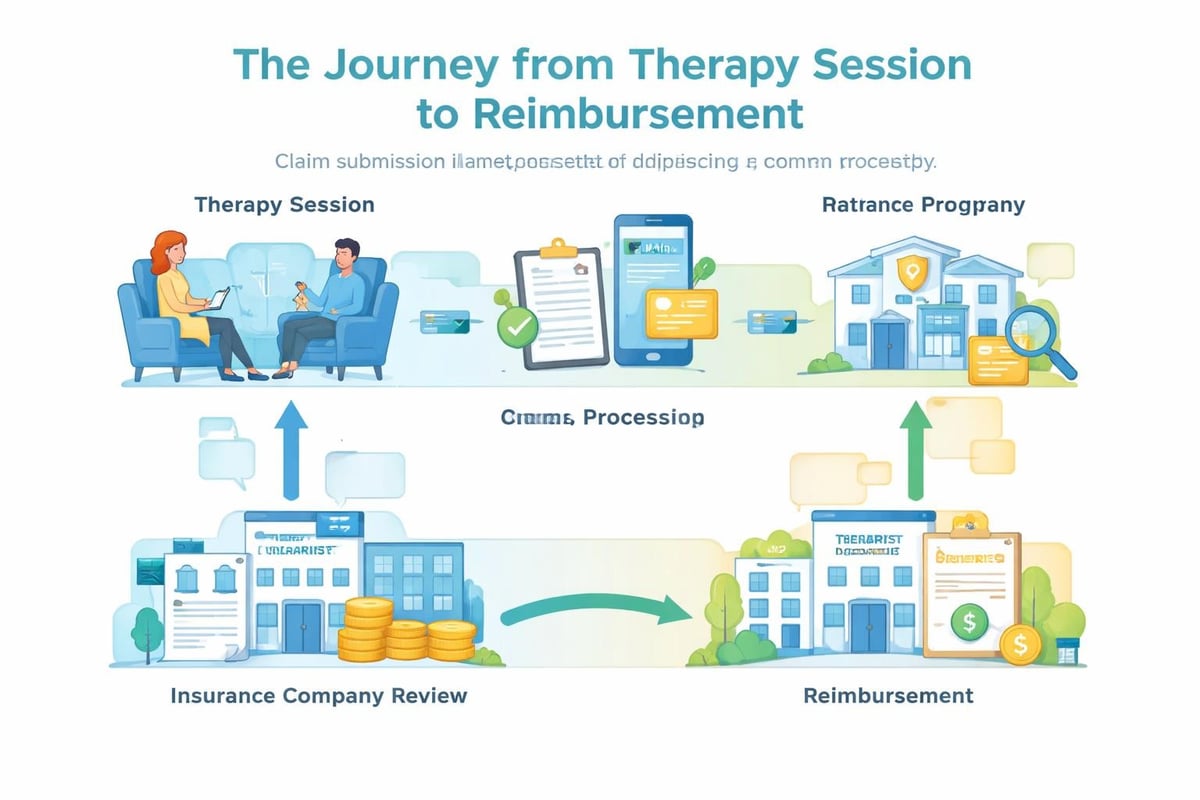
Direct billing means your therapist's office submits claims directly to your insurance company. You walk out paying only your portion. Direct billing services streamline the entire process, eliminating the paperwork headache.
Self-submission requires you to pay upfront, then file a claim yourself for reimbursement. You'll need receipts showing the therapist's credentials, session dates, and diagnosis codes.
| Billing Method | You Pay Upfront | Processing Time | Best For |
|---|---|---|---|
| Direct Billing | Only your portion | Immediate | Ongoing therapy |
| Self-Submission | Full amount | 2-4 weeks | Flexibility with providers |
| EAP Programs | Nothing | Immediate | Short-term needs |
Maximizing Your Mental Health Benefits
Here's something most people don't realize: your benefits might cover more than you think. Many plans include separate allocations for different types of providers. You might have $1,500 for psychologists and $1,000 for psychotherapists.
Steps to Get the Most Coverage
- Request your benefits summary from HR or your insurance portal
- Check if pre-authorization is required for therapy sessions
- Confirm your therapist's credentials match your plan's requirements
- Track your usage throughout the year to avoid surprises
- Consider timing major therapy work around benefit renewal dates
Unlike physical therapy services that may require referrals, most Ontario insurance plans don't require a doctor's referral for psychotherapy. You can book directly with a qualified therapist.
What Your Plan Actually Covers
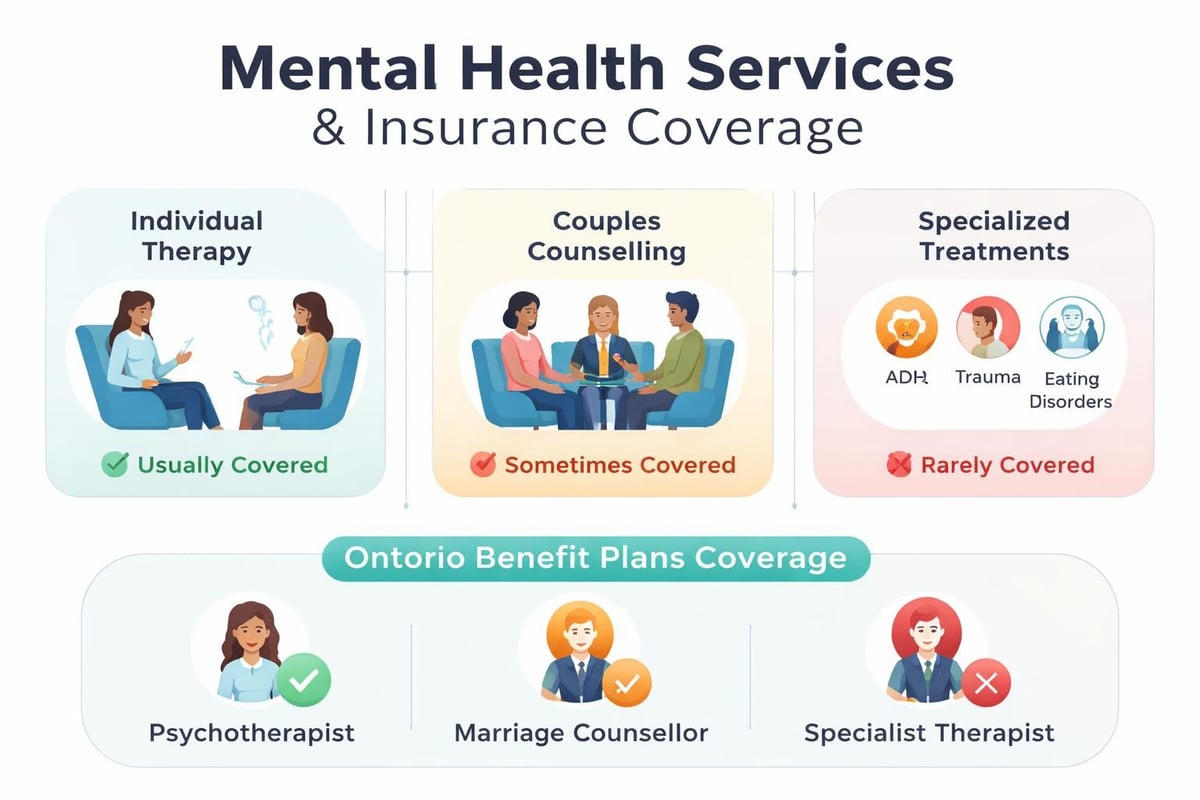
Insurance covered therapy typically includes evidence-based approaches that have proven effectiveness. At Théla, therapeutic services like CBT, DBT, EFT, and EMDR generally receive full coverage under the psychotherapy category.
Commonly covered services:
- Individual therapy for anxiety, depression, and trauma
- Couples counselling and relationship therapy
- Family therapy sessions
- Group therapy programs
- Virtual therapy sessions (huge in 2026!)
Sometimes excluded:
- Life coaching or personal development
- Non-registered practitioners
- Experimental treatments without clinical evidence
It's worth noting that innovative programs are emerging. For instance, insurance-covered ketamine therapy programs are becoming available in some regions, though coverage varies significantly. Similarly, understanding why certain therapies like hormone therapy lack coverage can help set realistic expectations.
When Benefits Run Out: Alternative Options
Let's be real: therapy costs add up fast. If you've maxed out your insurance covered therapy benefits, don't panic. Options exist.
Many clinics offer sliding scale fees based on income. Théla's affordable therapy program provides reduced rates for clients experiencing financial hardship, ensuring money never becomes a barrier to healing.
You might also explore:
- Tax deductions for medical expenses exceeding 3% of your income
- Health spending accounts (HSA) if your employer offers them
- Community mental health services through local health networks
- Student practicum programs offering supervised therapy at lower rates
The student practicum program at Théla connects clients with graduate-level therapists under professional supervision, making quality care more accessible.
Making Insurance Work for Your Mental Health Journey
Understanding insurance coverage details before your first session prevents awkward conversations later. Call your insurance company with these specific questions:
- What's my annual maximum for psychotherapy?
- Which professional designations are covered (RP, RPN, Psychologist)?
- Is there a per-session limit or percentage coverage?
- Do I need a mental health diagnosis for coverage?
- Are virtual sessions covered the same as in-person?
For Ontario residents specifically, resources like insurance-covered therapy information can clarify provincial nuances around Registered Psychotherapist coverage.
Remember that your mental health journey in 2026 deserves support, whether that's through traditional insurance, alternative funding, or a combination of approaches. The investment you make in therapy pays dividends in every area of your life.
The Reality of Out-of-Pocket Costs
Even with insurance covered therapy, you'll likely have some out-of-pocket expenses. Most plans cover 80% of session costs, leaving you with 20%. At $180 per session, that's $36 per visit, or $144 monthly for weekly therapy.
Budget planning matters. Track your sessions against your annual maximum. If you have $2,000 in coverage and sessions cost $180, you're looking at roughly 11 fully covered sessions before hitting your limit.
Some people strategically time intensive therapy work. Address major issues while you have full coverage, then transition to bi-weekly or monthly maintenance sessions when funds are tight. Your therapist can help create a sustainable plan that respects both your healing needs and your financial reality.
Navigating insurance covered therapy doesn't have to feel overwhelming once you understand the system. Whether you're dealing with anxiety, relationship challenges, or trauma recovery, accessing mental health support through your benefits makes healing more affordable and sustainable. Théla Psychotherapy Clinic works with most major Ontario insurance providers and offers direct billing to simplify your experience. Our team specializes in trauma-informed, culturally responsive care using evidence-based approaches tailored to your unique needs. Ready to start your journey? Théla Psychotherapy Clinic is here to support you every step of the way.

Bonny Li
Contact Me
.jpg)