Depression can feel like carrying a weight that nobody else can see. You're functioning, maybe even showing up every day, but inside there's this persistent heaviness that won't let go. The good news? Depression counselling offers real, evidence-based pathways to feeling better. Whether you're in Ontario or anywhere else, understanding what therapy involves and how it works can be your first step toward healing.
What Makes Depression Counselling Different
Depression counselling isn't just talking about your feelings, though that's certainly part of it. It's a structured, therapeutic approach that addresses the root causes of depression while building practical skills for managing symptoms. According to the National Institute of Mental Health, depression affects how you feel, think, and handle daily activities, which is exactly why specialized counselling makes such a difference.
The Science-Backed Approaches That Actually Work
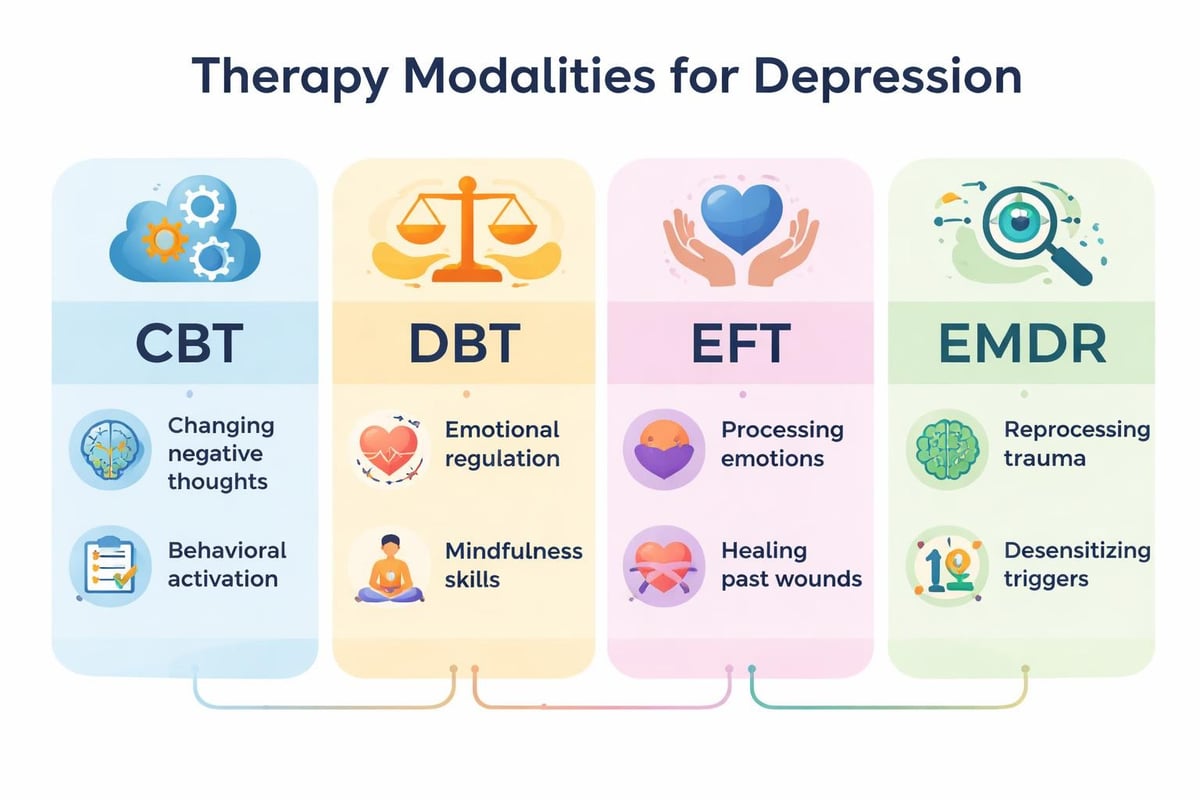
When you're looking into depression counselling, you'll encounter various therapeutic approaches. Here's what actually works according to research:
- Cognitive Behavioral Therapy (CBT) helps you identify and change negative thought patterns that fuel depression
- Dialectical Behavior Therapy (DBT) teaches emotional regulation and distress tolerance skills
- Emotion-Focused Therapy (EFT) addresses underlying emotional needs and relationship patterns
- Eye Movement Desensitization and Reprocessing (EMDR) processes trauma that may contribute to depression
The American Psychological Association's guidelines emphasize that psychotherapy, particularly CBT and other evidence-based approaches, should be a first-line treatment for depression. At Théla Psychotherapy Clinic, therapists use these proven methods tailored to your specific situation.
What to Expect in Your First Sessions
Starting depression counselling can feel intimidating, but knowing what's coming helps. Your first few sessions focus on building trust and understanding your unique experience with depression.
Your therapist will likely ask about:
- Your current symptoms and how long you've been experiencing them
- Any previous mental health treatment
- Family history and significant life events
- Your goals for therapy
This isn't an interrogation. It's a collaborative process where you're building a roadmap together. The Mayo Clinic notes that effective treatment often combines different approaches based on individual needs.
| Session Phase | What Happens | Timeline |
|---|---|---|
| Initial Assessment | Understanding your history and symptoms | Sessions 1-2 |
| Goal Setting | Defining what success looks like for you | Sessions 2-3 |
| Active Treatment | Learning skills and processing experiences | Ongoing |
| Maintenance | Sustaining progress and preventing relapse | As needed |
The Real Benefits Beyond Symptom Relief
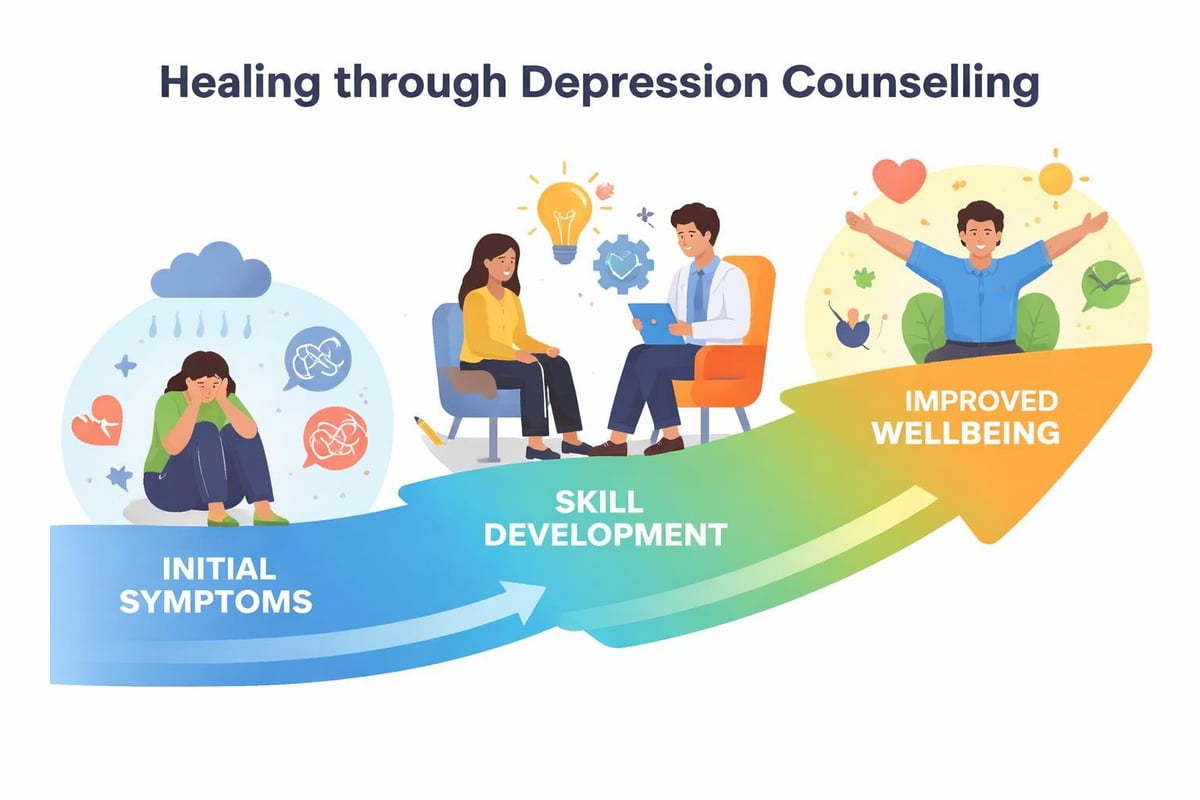
Depression counselling does more than just reduce symptoms (though that's pretty important). It fundamentally changes how you relate to yourself and your experiences.
Through consistent therapy, you'll develop:
- Better emotional awareness so you can recognize what you're feeling before it becomes overwhelming
- Practical coping strategies that work in real-life situations
- Improved relationships as you communicate your needs more effectively
- Greater self-compassion instead of that harsh inner critic
Many people exploring individual therapy for adults discover that depression often connects to deeper patterns they've carried for years. Working through these patterns creates lasting change, not just temporary relief.
Finding the Right Fit for You
Not all depression counselling looks the same, and that's actually a good thing. Your needs are unique, so your therapy should be too.
In-Person vs. Online Therapy
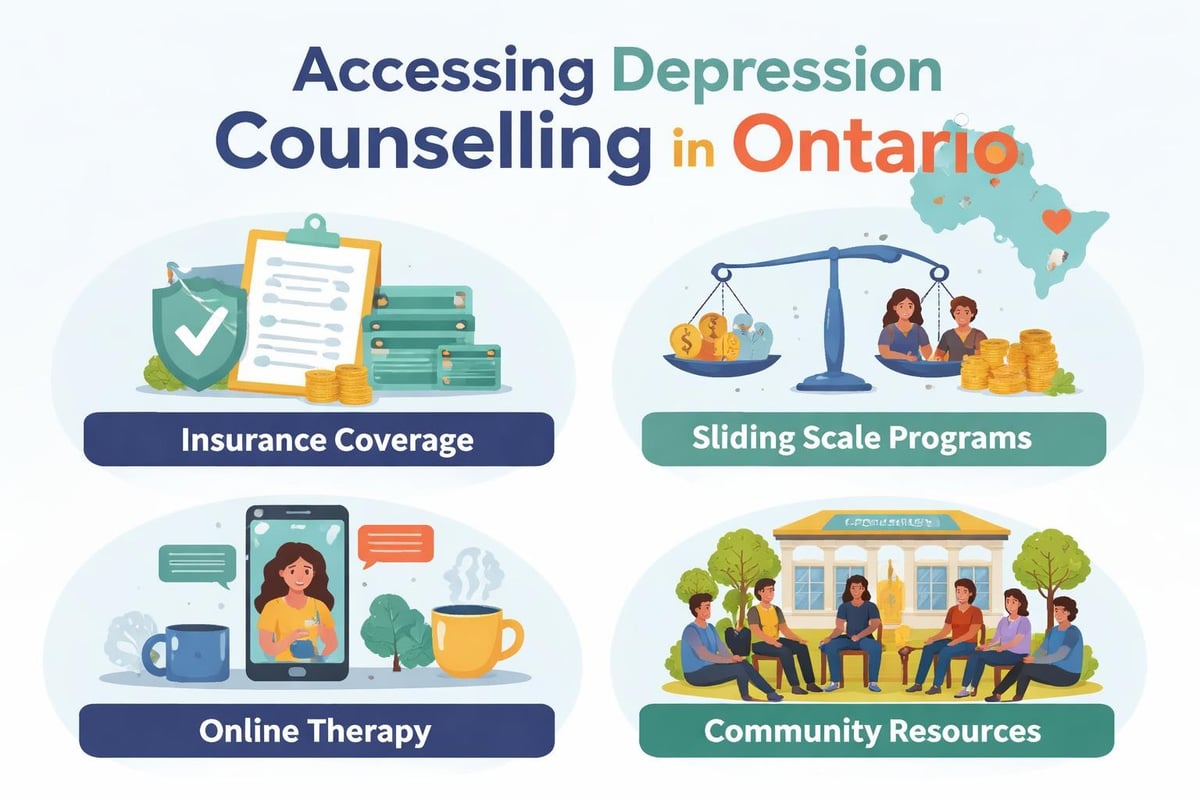
Both formats work effectively for depression. In-person sessions offer face-to-face connection, while online therapy provides flexibility if you're juggling a busy schedule or live outside major cities. Many Ontario residents access quality care through virtual sessions, making it easier to maintain consistency.
Cultural and Trauma Considerations
Culturally responsive care matters tremendously in depression counselling. Your cultural background shapes how you experience and express depression. Trauma-informed approaches recognize that depression often has roots in past experiences that need gentle, specialized attention.
For those dealing with both trauma and depression, EMDR trauma therapy offers a powerful way to process difficult memories without re-traumatizing yourself. This connection between trauma, anxiety, and depression is more common than many people realize.
Making Depression Counselling Affordable
Let's be honest about the elephant in the room - cost concerns keep many people from getting help. But there are more options than you might think:
- Many extended health plans cover psychotherapy services
- Sliding scale programs adjust fees based on income
- Affordable therapy programs make professional care accessible
- Employee assistance programs often include counselling sessions
The World Health Organization emphasizes that depression is one of the leading causes of disability worldwide, yet it remains highly treatable. Don't let financial concerns stop you from exploring your options.
When Depression Affects Your Relationships
Depression doesn't just impact you - it ripples through your relationships too. Sometimes depression counselling works best when you involve your partner through couples relationship therapy.
Your partner might struggle to understand what you're going through, or you might find that relationship stress makes your depression worse. Addressing both simultaneously creates stronger outcomes for everyone involved.
Building Your Support Network
Depression counselling works best when it's part of a broader support system. The National Alliance on Mental Illness highlights how community and peer support complement professional treatment.
Consider these additional resources:
- Support groups for people experiencing depression
- The SAMHSA National Helpline for immediate assistance
- Trusted friends or family members who understand your journey
- Online communities that normalize talking about mental health
Your therapist can help you identify which support options make sense for your situation.
Moving Forward with Confidence
Starting depression counselling in 2026 means you have access to more effective treatments and delivery methods than ever before. The stigma around mental health continues to decrease, making it easier to prioritize your wellbeing without shame.
Remember that seeking help isn't a sign of weakness - it's actually one of the most courageous things you can do. Psychology Today's research shows that early intervention leads to better outcomes, so the sooner you start, the sooner you'll feel relief.
Whether you're dealing with persistent low mood, loss of interest in things you used to enjoy, or those intrusive thoughts that depression brings, depression counselling offers a path forward. The journey isn't always linear, and that's okay. What matters is taking that first step toward feeling better.
Depression counselling provides evidence-based support that can genuinely transform how you experience life. If you're ready to take that step toward healing, Théla Psychotherapy Clinic offers trauma-informed, culturally responsive care tailored to your unique needs - whether you prefer in-person sessions in Markham or online therapy anywhere in Ontario. You don't have to carry this weight alone.

Bonny Li
Contact Me