In 2025, the world of mental health is seeing a remarkable shift as emdr therapy depression treatment offers new hope for millions. With over 280 million people affected by depression globally, the need for effective and innovative solutions has never been greater.
This guide will show you how EMDR therapy addresses depression, its scientific foundations, and what healing looks like in the coming year. You will discover how this therapy works, review the latest research, and learn about step-by-step treatment.
Equip yourself with the knowledge to make informed choices and take confident steps toward recovery.
Understanding EMDR Therapy: Foundations and Mechanisms
Eye Movement Desensitization and Reprocessing, known as EMDR, is rapidly gaining recognition as a transformative approach for depression. Understanding the mechanisms behind EMDR therapy depression treatment is essential to appreciating its unique benefits and how it differs from traditional methods.
The Basics of EMDR Therapy
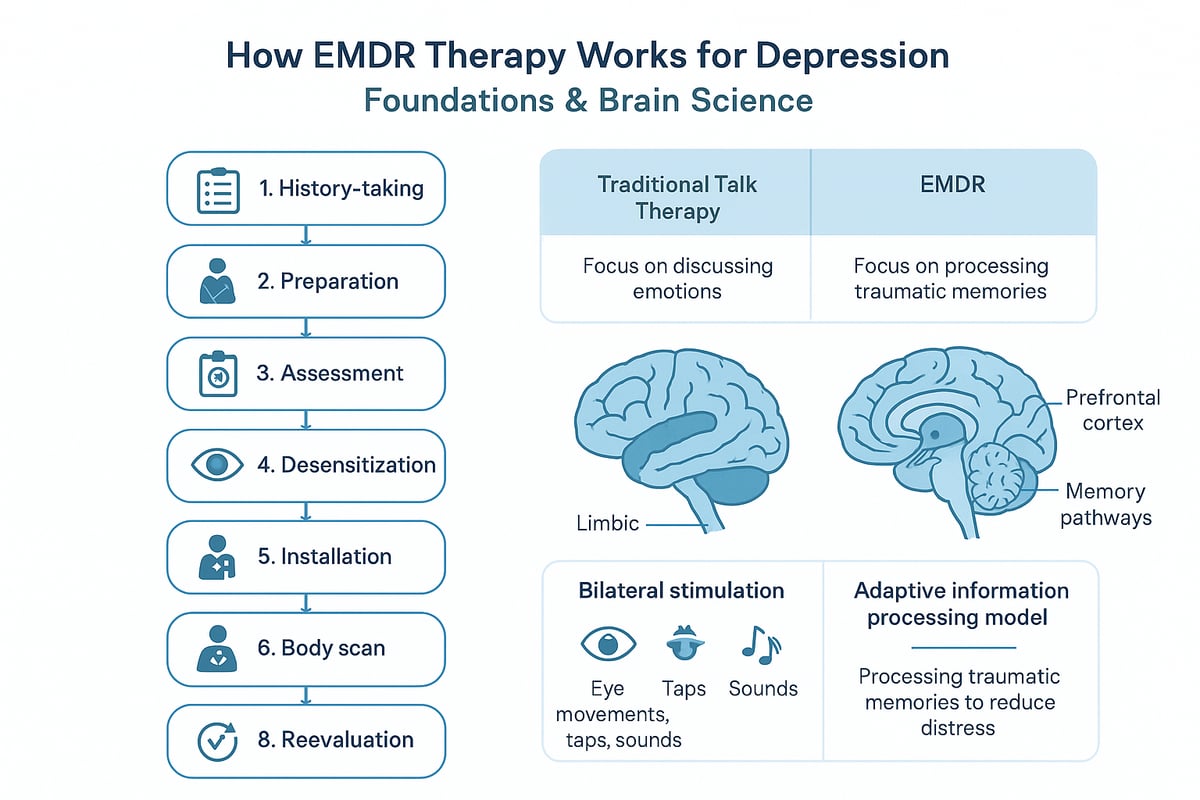
EMDR therapy depression treatment is an integrative, client-centered approach developed in 1987. Unlike conventional talk therapies, EMDR focuses on identifying and reprocessing distressing memories that fuel negative emotions and beliefs. The therapy unfolds over eight structured phases, each designed to safely guide clients from assessment through to future planning.
A core element is the Adaptive Information Processing (AIP) model, which explains how the brain stores upsetting experiences in a way that can trigger depression symptoms long after the event. Bilateral stimulation, such as guided eye movements, alternating taps, or sounds, helps unlock these memories and supports natural healing.
Compared to traditional talk therapy, EMDR is distinctive for its use of sensory input and its focus on memory reprocessing. Clients do not need to describe every detail of their painful experiences, which can make the process less overwhelming. For a comprehensive overview of how this method works, you can explore the EMDR therapy overview.
|
Approach |
EMDR Therapy |
Traditional Talk Therapy |
|---|---|---|
|
Focus |
Memory reprocessing |
Cognitive insight |
|
Key Technique |
Bilateral stimulation |
Verbal discussion |
|
Typical Phases |
8 |
Variable |
EMDR was first used for trauma and stress-related disorders, and its success has paved the way for applications in depression.
Neurobiological Mechanisms of EMDR
The science behind EMDR therapy depression interventions is evolving rapidly. During EMDR sessions, neuroimaging studies reveal shifts in brain activity, especially in the limbic system and prefrontal cortex. These changes help decrease the emotional intensity attached to distressing memories.
Notably, researchers like Pagani and Baek have shown that EMDR activates pathways involved in memory reconsolidation. Animal studies highlight the roles of the superior colliculus and mediodorsal thalamus—regions linked to fear and memory processing. This research suggests EMDR can rewire how the brain responds to negative experiences.
Unlike CBT or medication, EMDR therapy depression treatment uniquely targets the neural circuits carrying the emotional charge of pathogenic memories. As these memories are processed, their power diminishes, and clients often experience a shift in self-belief and mood. This neurobiological pathway underpins EMDR’s growing reputation as a breakthrough depression treatment.
Depression in 2025: Challenges, Triggers, and How EMDR Fits In
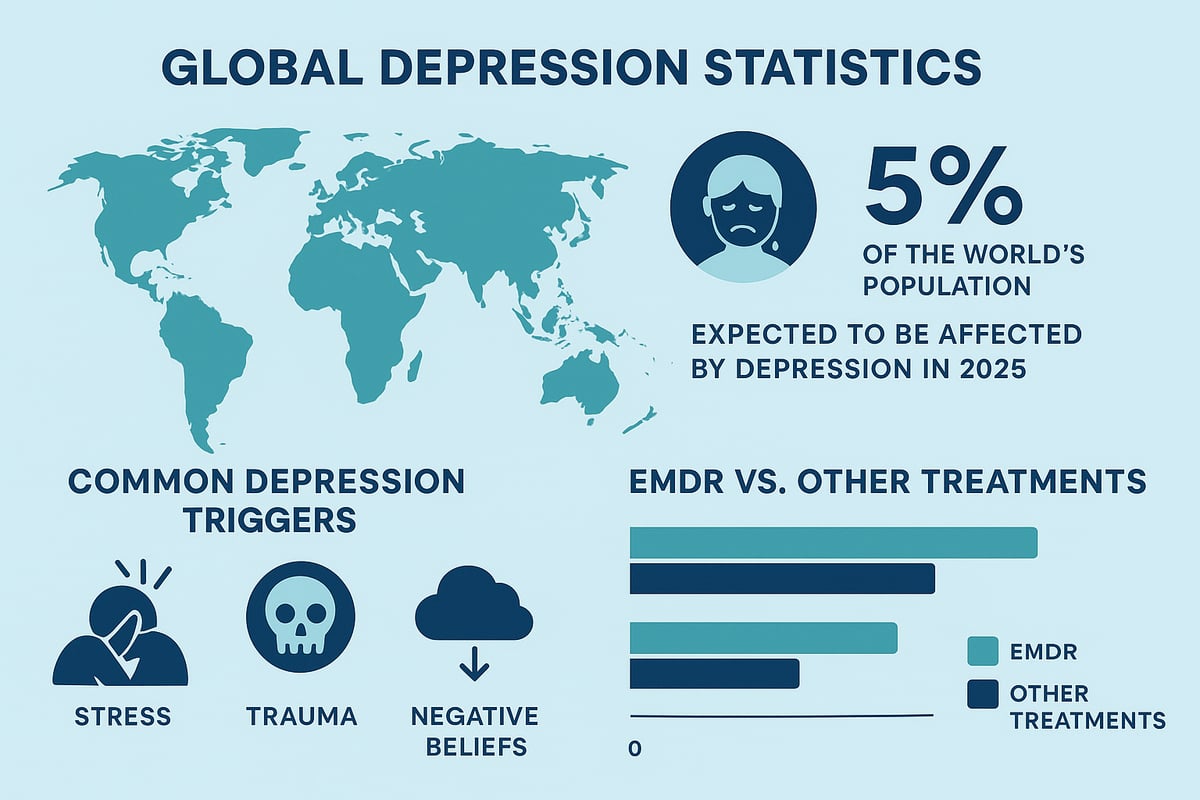
Depression continues to affect over 280 million people worldwide in 2025. The burden is rising, with many facing not just single episodes but chronic, recurrent, or even treatment-resistant forms. For these individuals, finding effective relief remains a significant challenge, especially when traditional approaches like medication and cognitive behavioral therapy fall short.
The Evolving Landscape of Depression
Depression in 2025 is not a uniform experience. While some face a single episode, millions live with long-term, recurring symptoms that disrupt daily life. Chronic, recurrent, and treatment-resistant depression are increasingly recognized, often marked by persistent sadness, hopelessness, and fatigue.
Triggers for depression remain diverse:
-
Stressful life events (loss, relationship conflicts)
-
Deep-seated negative self-beliefs
-
Unresolved trauma from childhood or adulthood
Emerging research has highlighted the role of pathogenic memories. Unlike PTSD, where memories are often tied to specific traumas, depression can stem from a web of distressing experiences and beliefs that erode self-worth over time.
Mainstream treatments like medication and CBT help many, but limitations persist. Some individuals find little or only temporary relief, with symptoms returning. This is where emdr therapy depression offers a new perspective. EMDR conceptualizes depression as a disorder rooted in stress and trauma, targeting the underlying memories that fuel ongoing sadness and hopelessness.
Recent studies, including a 2024 meta-analysis, show that EMDR's Effectiveness in Treating Depression is significant, particularly in chronic and recurrent cases. By reprocessing distressing memories, EMDR helps reduce emotional distress and negative beliefs, giving hope where other treatments may have failed.
Who Can Benefit from EMDR for Depression?
EMDR therapy depression is not limited to one type of depression. People with single-episode depression may experience rapid improvement, especially if triggers are clearly identified. However, EMDR is especially impactful for those with chronic or recurrent depression, where traditional therapies have not provided long-lasting results.
Individuals with comorbidities—such as anxiety, trauma histories, or dissociation—often respond well to EMDR. The approach is also adaptable for teens, adults, and culturally diverse groups, making it accessible for a wide range of backgrounds.
In real-world settings, inpatient EMDR centers have reported strong results. For example, one center observed that 55% of individuals with severe, recurrent depression achieved full remission after a complete course of EMDR therapy depression. These outcomes highlight EMDR’s potential for those who have struggled with other forms of treatment.
Whether you are facing a first episode or have been living with depression for years, exploring emdr therapy depression may open new doors to healing and recovery in 2025.
EMDR Therapy for Depression: Step-by-Step Healing Process
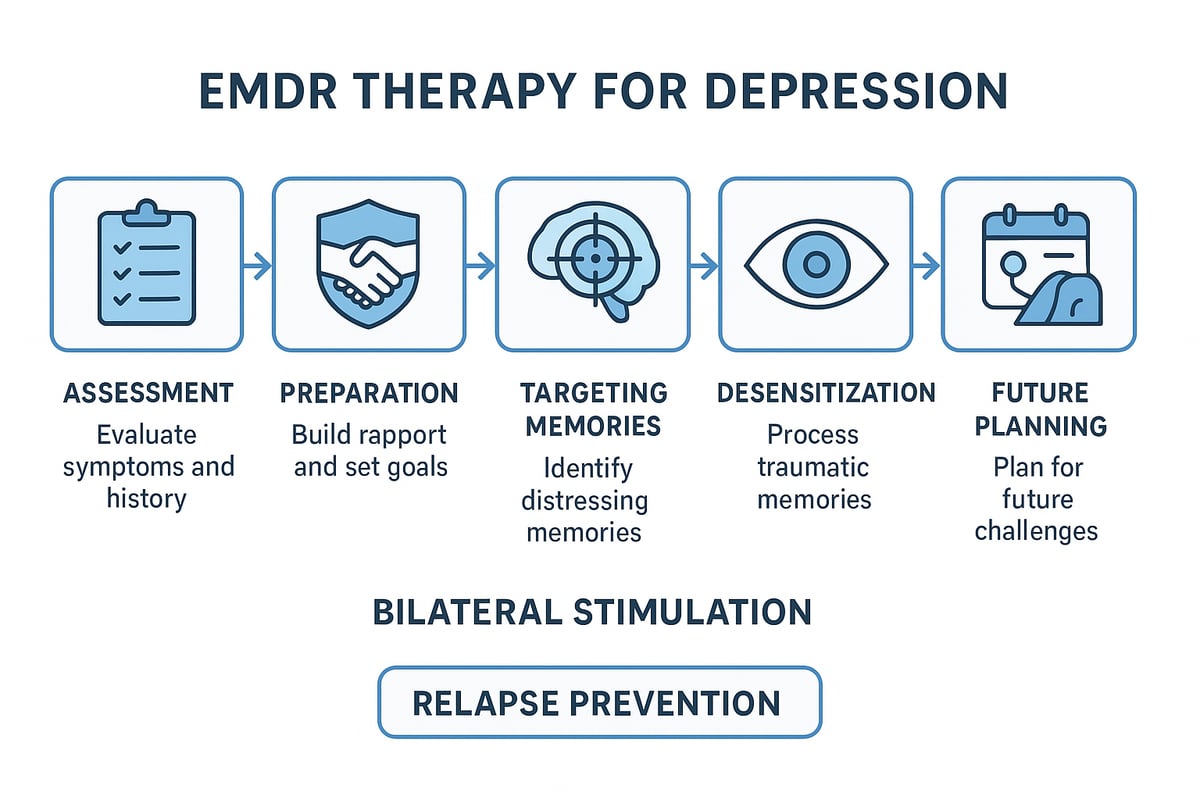
Embarking on emdr therapy depression means engaging in a structured, evidence-based process. Each step is carefully designed to help individuals address the roots of their depression, rather than just managing symptoms. Here, we break down the key phases you can expect on your healing journey.
Step 1: Assessment and History-Taking
The emdr therapy depression process begins with a comprehensive assessment. The therapist works with you to identify key triggers, adverse experiences, and “proof memories” that sustain depressive symptoms. You will explore negative self-beliefs and trace their origins to earlier life events.
This phase also includes evaluating your readiness and suitability for EMDR. The therapist ensures you have the stability and support necessary to begin memory processing, setting a strong foundation for the work ahead.
Step 2: Preparation and Resource Building
In this step, building safety and trust is essential. The therapist introduces techniques like the Absorption Technique and Resource Development and Installation (RDI). These methods help you develop internal resources for managing difficult emotions.
You will learn grounding and relaxation skills, which are vital for coping with distress during EMDR sessions. By strengthening your resilience, you gain confidence to face challenging memories as you move forward in the emdr therapy depression protocol.
Step 3: Targeting Pathogenic Memories
Next, you and your therapist select specific memories that contribute to depressive symptoms. Unlike PTSD, these memories may not involve life-threatening events, but they often include experiences of loss, failure, or abandonment.
The focus is on targeting depressive and suicidal states as memory nodes. This approach helps unlock the emotional patterns fueling depression and is a core feature of emdr therapy depression, allowing for deeper transformation.
Step 4: Desensitization and Reprocessing
Here, bilateral stimulation (such as eye movements, tapping, or sounds) is used to process targeted memories. The therapist monitors both emotional and physical responses, ensuring you remain within a safe window of tolerance.
As the emotional charge diminishes, negative self-beliefs start to shift. For a detailed look at what happens in-session, see What to expect in EMDR therapy. This phase is critical in helping emdr therapy depression move from insight to lasting change.
Step 5: Installation and Body Scan
After processing, positive beliefs and adaptive thoughts are strengthened. The therapist guides you through a body scan to ensure that new learning is fully integrated at both emotional and physical levels.
This step helps solidify the gains made during desensitization, promoting a sense of relief and renewed self-worth. Integration is vital for sustainable recovery from depression.
Step 6: Addressing Present Triggers and Future Templates
Finally, EMDR addresses current situations that trigger depressive responses. You will rehearse adaptive coping strategies for future challenges, building confidence and skills to maintain progress.
Relapse prevention is a key part of this step. Protocols like DeprEnd© include a four-step process to reduce the risk of recurrence. Through these measures, emdr therapy depression empowers you to sustain wellness and resilience beyond therapy.
Outcomes, Research, and Success Rates of EMDR in Depression Treatment
Exploring the real-world impact of emdr therapy depression is essential for anyone considering this innovative treatment. Over the past decade, research has rapidly expanded, providing a clear picture of how EMDR compares with other established depression therapies. Understanding the science, outcomes, and practical realities helps patients and professionals make informed decisions about their care.
Latest Research and Meta-Analyses
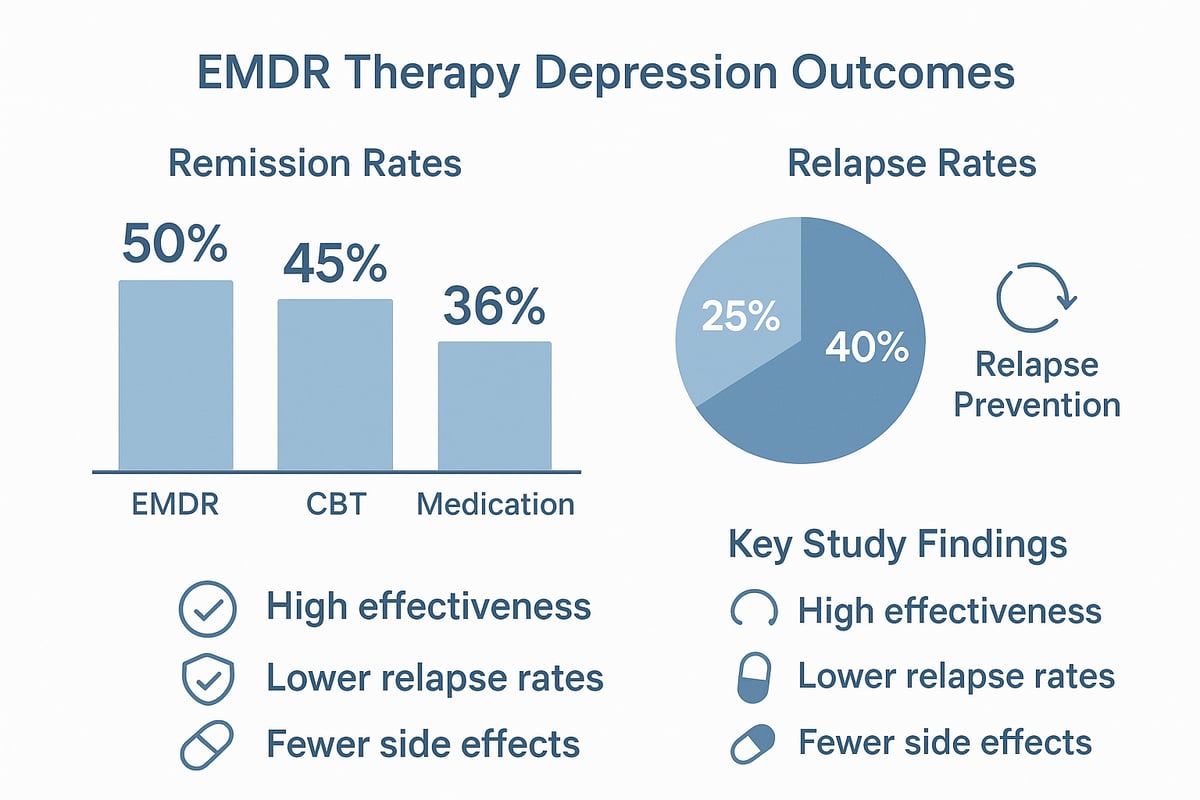
Recent years have seen a surge in high-quality studies on emdr therapy depression. Meta-analyses of randomized controlled trials reveal that EMDR often leads to higher full remission rates than cognitive behavioral therapy (CBT). For example, one meta-analysis of eight RCTs found that EMDR produced significantly better remission outcomes compared to CBT. Another review of nine RCTs showed EMDR is as effective as other active treatments for depression.
A notable EMDR for Depression: A Meta-Analysis and Systematic Review confirms these findings, emphasizing EMDR’s role in both symptom reduction and long-term recovery. Additionally, a naturalistic follow-up study reported that 74% of patients remained relapse-free 12 months after EMDR.
Typical Results and Success Rates
When examining emdr therapy depression in clinical practice, remission rates are a key marker of success. Studies report that EMDR can lead to both significant symptom reduction and complete remission, even in cases of severe or chronic depression. Compared to medication and CBT, EMDR demonstrates equivalent or superior outcomes, especially for those who have not responded to traditional therapies.
|
Treatment |
Remission Rate |
Relapse Rate (12 months) |
|---|---|---|
|
EMDR |
55–74% |
26% |
|
CBT |
40–60% |
40% |
|
Medication |
30–50% |
50% |
These results highlight EMDR’s potential to achieve lasting wellness. Patients often experience improved mood, reduced negative beliefs, and greater resilience after completing emdr therapy depression.
Challenges and Side Effects
Although emdr therapy depression shows strong results, it is not without challenges. Some individuals may experience emotional distress during the processing of painful memories. This is typically temporary and managed with therapist support, but it underscores the importance of completing the full EMDR protocol.
Incomplete treatment can lead to a higher risk of relapse. For patients with severe depression or suicidal thoughts, careful monitoring and integrated care are essential. EMDR therapists are trained to address these challenges, ensuring safety and maximizing benefits throughout the emdr therapy depression process.
Integrating EMDR with Other Therapies and Approaches
Integrating EMDR therapy depression protocols with other treatment methods is essential for optimal results, especially for individuals with complex or severe symptoms. Understanding how EMDR fits alongside medication and other therapies helps create a comprehensive, personalized approach.
EMDR and Medication
Many people undergoing emdr therapy depression treatment may also be prescribed antidepressants or mood stabilizers. While medication can help manage acute symptoms, it is important to monitor for sedation or emotional blunting, as these effects may reduce EMDR’s effectiveness.
Clinicians often collaborate with prescribing physicians to adjust medications if needed, ensuring clients remain alert and engaged during EMDR sessions. In some cases, medication adjustments are made gradually as EMDR progresses and symptoms improve. This collaborative approach ensures both safety and therapeutic benefit.
Combining EMDR with Other Psychotherapies
EMDR therapy depression protocols are frequently integrated with cognitive behavioral therapy (CBT), dialectical behavior therapy (DBT), and resource-building strategies. Combining these modalities can address different aspects of depression, from negative thinking patterns to emotional regulation and trauma processing.
For clients with treatment-resistant symptoms, transcranial magnetic stimulation (TMS) may serve as an adjunct to EMDR. Multimodal care increases the likelihood of positive outcomes and can be tailored to unique client needs. Learn more about effective integration in EMDR for depression and anxiety.
Personalized, Trauma-Informed Care
Personalized emdr therapy depression plans consider each individual’s life history, culture, and current challenges. Therapists adapt EMDR protocols to honor cultural backgrounds, beliefs, and experiences, ensuring care is respectful and effective.
Resource development, such as building internal strengths and coping skills, is particularly valuable for clients from diverse communities. Culturally responsive approaches foster trust and engagement, paving the way for lasting change and emotional resilience.
What to Expect: The EMDR Healing Journey for Depression in 2025
Beginning your EMDR therapy depression journey in 2025 means stepping into a structured, collaborative process designed for real healing. Most people attend weekly sessions, with treatment typically spanning 8 to 20 sessions, depending on individual needs and the depth of depressive symptoms. Each phase focuses on a specific goal, from building trust and safety to identifying and processing distressing memories. Sessions are active, involving guided eye movements or other bilateral stimulation while you recall key experiences and work with your therapist to shift negative beliefs.
As you progress through emdr therapy depression sessions, expect a mix of emotional experiences. Many clients report initial discomfort as difficult memories surface, but also describe a growing sense of relief and clarity over time. Markers of progress include reduced emotional intensity, improved mood, and the ability to handle daily stressors more effectively. Relapse prevention is built into the process, equipping you with coping skills and personalized strategies for lasting wellness.
Empowerment is a core outcome of the emdr therapy depression approach. Clients often move from chronic sadness to genuine hope, building adaptive beliefs and resilience for the future. One example is a client who, after years of recurring depression, achieved sustained remission and regained confidence in daily life. If you are considering this treatment, look for a certified EMDR therapist, ask about their experience with depression, and explore resources like the Depression and low mood reset program for additional support. Expect a journey that not only addresses symptoms but also transforms your relationship with yourself and your past.
As you’ve discovered in this guide, EMDR therapy is reshaping how we approach depression, offering new hope for healing in 2025. Whether you’re navigating your own journey or supporting a loved one, understanding your treatment options can make all the difference. At Théla Psychotherapy Clinic, we combine trauma informed care with culturally responsive EMDR, tailoring each step to your unique needs—whether in person in Markham or online anywhere in Ontario. If you’re ready to explore how EMDR could support your path to recovery, I invite you to Book Your Free Consultation Appointment Now.

Bonny Li
Contact Me
.jpg)